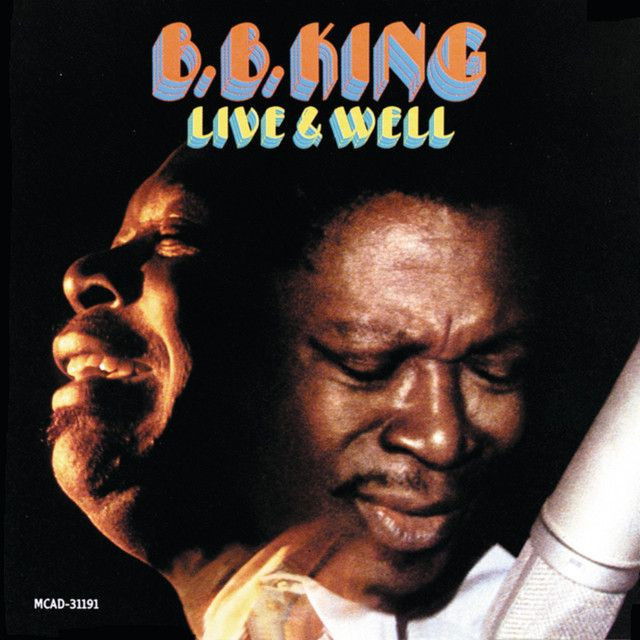
Why B.B. King Had to Sing the Blues
The meaning of Why I Sing The Blues B.B. King goes far beyond sadness. This song turns the blues into a life story, a social history, and a statement of survival. Instead of asking listeners to pity him, B.B. King explains that the blues come from generations of struggle and from the daily realities of racism, poverty, aging, and disappointment.
"Why I Sing The Blues" - B.B. King
Why I sing the blues
Yes, I say everybody wanna know
Loading lyrics...
Unable to load lyrics
We're unable to display the lyrics at this time. Please try again later.
Released in 1969 and later included on Completely Well, the song arrived when King was expanding his audience without leaving the emotional core of the blues behind. That context matters. He is not singing about one bad day. He is tracing a long line of pain and endurance.
More Than Heartbreak: A History in One Voice
At its core, the song answers a simple question: why does he sing the blues? The answer is that the blues are not just a style. They are the sound of lived experience.
The opening hook, Why I sing the blues
, sets up the whole message. Each verse gives another reason. The song moves from slavery to urban poverty, from blocked opportunity to old age. By building the song this way, King makes the blues feel collective as well as personal.
Interpretation: the singer is one man, but he also stands in for many Black Americans whose stories include migration, low wages, poor housing, and unequal treatment. The repeated claim that he has paid my dues
gives the song both authority and weariness.
Watch the official Why I Sing The Blues
music video
From the Ship to the City
One of the strongest parts of the song is its timeline. It begins with an image of being brought over on a ship
, which clearly points back to slavery and the Middle Passage. In just a few lines, King connects modern blues singing to historical violence.
From there, the song jumps into scenes of cramped living and public neglect. The verse about a ghetto flat
uses dark humor and ugly detail to show extreme poverty. Another verse describes government promises about housing, suggesting that official help often sounds better than it feels in real life.
This structure matters. The song is not random storytelling. It argues that the blues are born from a chain of conditions, not from personal weakness. The singer keeps moving through places and systems, yet the same pain follows him.
A quick narrative map
- Historical trauma begins the story.
- Poverty shapes daily life in the city.
- Institutions fail to provide relief.
- Family and future feel at risk.
- Age brings another hard truth.
That steady progression gives the song unusual scope for a blues single.
How the Chorus Turns Pain Into Pride
The refrain keeps returning to the same question, but each verse changes what the answer means. At first, it sounds defensive, as if he is tired of being asked. Later, it sounds almost proud. By the end, singing the blues becomes an act of honesty.
That is why the line I just love to sing my blues
lands so strongly. After so many scenes of hardship, this phrase does not sound cheerful. It sounds accepting and self-knowing. He is not celebrating suffering. He is claiming the right to tell the truth about it.
Interpretation: this is where the song becomes bigger than complaint. The blues are presented as witness, memory, and identity.
Lucille, Groove, and the Weight of the Band
The meaning of Why I Sing The Blues B.B. King also lives in its sound. King’s guitar, Lucille, does not flood the song with notes. Instead, it answers the vocal with sharp, vocal-like phrases. That restraint helps the message hit harder.
The band plays with a steady, rolling pulse that feels lived-in rather than dramatic. There is swing in the rhythm, but also heaviness. The groove suggests motion through hard times, not escape from them. When King pauses to announce Lucille, the moment feels playful, yet it also reminds listeners that his guitar is part of his voice.
His singing is just as important. He sounds conversational, then wounded, then sly, then tired. That range keeps the song from feeling flat or preachy. Even when the lyrics describe systemic problems, the performance stays human and intimate. According to the Rock & Roll Hall of Fame, King became one of the defining figures in bringing electric blues to a broad audience, and this track shows why: he could make big themes feel immediate.
Poverty, Schooling, Work, and Age
Several verses focus on everyday barriers. A child has no room in school. A worker is made to feel born to lose
. A blind man is punished instead of helped. Welfare offers humiliation instead of support.
These details give the song its moral force. King is not speaking in abstractions. He points to schools, jobs, housing, policing, and public aid. The result is a portrait of a society where hardship keeps repeating itself.
Then the song turns inward. When Father Time catches up, the blues are no longer only social; they are physical and personal too. Aging becomes the final proof that pain is not temporary. The mirror tells the truth, and the singer answers with the blues.
Why the Song Still Feels So Large
Part of the song’s power is that it links private emotion to public history. Many blues songs deal with romance or loss. This one widens the frame. It says the blues can hold a whole people’s memory while still sounding like one person’s testimony.
That is why the song still matters. It explains the blues as endurance art: music shaped by injustice, but not defeated by it.
Final thought
The meaning of Why I Sing The Blues B.B. King is not simply that life hurts. It is that pain, when honestly voiced, becomes record, resistance, and release. Interpretation: King presents the blues as something earned, inherited, and transformed into art.
Disclaimer: This interpretation is based on the song’s lyrics, performance, and historical context, and other listeners may hear different emphases in its meaning.









