
Sunshine Sometimes by Bedouine
The meaning of Sunshine Sometimes Bedouine starts with a simple wish: they would rather share calm, private time with someone they care about than keep performing a social life for everyone else. The song is small in scale, but that is its strength. Instead of dramatic heartbreak or big declarations, Bedouine writes about emotional comfort, low energy, and the need to be understood without apology.
"Sunshine Sometimes" - Bedouine
Hanging with the gang at all hours
If I had your love
Loading lyrics...
Unable to load lyrics
We're unable to display the lyrics at this time. Please try again later.
That makes the song feel intimate from the first lines. The speaker is not rejecting fun forever. They are saying that love can change what feels valuable. If closeness is real, then staying in can feel richer than going out.
The Heart of the Song Lives Indoors
At its core, this is a song about choosing tenderness over noise. The speaker says they do not need to stay out with other people for long stretches if they have the right person beside them. The phrase your love
is brief, but it carries the point: emotional connection makes external excitement less important.
They also admit that they do not always feel like drinking or being part of a party scene. That confession matters because it gives the song a lived-in honesty. This is not a fantasy of romance with candles and perfection. It is a realistic portrait of someone tired, maybe a little introverted, who wants peace without being judged for it.
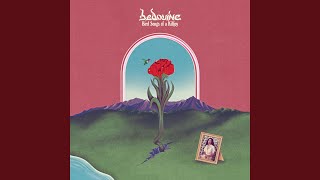
Watch the official Sunshine Sometimes
music video
A Relationship Tested by Expectations
One of the sharpest ideas in the lyric is social pressure. The speaker wants a quiet evening together, but they also mention wanting that without catching flak
. In plain terms, they seem worried that someone will criticize them for staying in, slowing down, or acting less outgoing than expected.
That small phrase opens the song up. It is not only about romance. It is also about lifestyle. The speaker is asking for room to be softer, calmer, and less available to the crowd.
What the Chorus Adds
The chorus gives the song its emotional thesis. Bedouine uses It's not sunshine sometimes
to say that life and love are not bright or easy all the time. Moods dip. Energy fades. The weather of a relationship changes.
Still, the next emotional move is loyalty, not despair. Even when things feel muted, the other person is still on my mind
. That is why the chorus lands so gently. It accepts imperfect days without turning them into a crisis.
It's alright if we put out a light
It's not sunshine sometimes
This brief moment suggests darkness as rest, not danger. Turning off the light can mean stepping away from performance and into honesty.
Bedouine’s Writing Turns Small Details Into Meaning
Bedouine, the project of Azniv Korkejian, is known for finely observed songwriting and a warm folk sound, especially on the acclaimed debut album 5AM. That background helps explain why this song feels so precise. They often write in a way that seems casual at first, then reveals emotional complexity underneath.
Here, ordinary actions do the heavy lifting: staying in, trading day for night, wanting to see someone without making a big event out of it. There is even a playful phrase, Lazy, baby
, that softens the mood. It does not sound cruel or dismissive. It sounds affectionate, as if the speaker knows both people may be drifting a bit but still want contact.
How the Verses Build the Song’s Mood
The verses move between desire and distance. The speaker wonders where the other person has been while admitting they have been home a lot themselves. That creates a subtle imbalance. One person may be out in the world, while the other has withdrawn.
But the song does not frame that gap as betrayal. Instead, it feels like a quiet mismatch in rhythm. One person is social or unavailable; the other is introspective and hoping for closeness.
Interpretation: A Song About Emotional Energy
One strong interpretation is that the track is about changing needs as a relationship matures. Early love songs often celebrate excitement. This one values steadiness. The speaker is not asking for spectacle. They are asking to be met where they are emotionally.
Another interpretation is that the song reflects burnout. The repeated wish to stay inside suggests someone whose social battery is low. In that reading, romance becomes a refuge from pressure rather than a source of drama.
The Sound Makes the Message Feel True
The meaning of Sunshine Sometimes Bedouine also comes through its musical setting. Bedouine’s songs often lean on soft acoustic textures, restrained rhythm, and vocals that sound close to the listener rather than pushed forward. Coverage from Spacebomb Records has noted the label’s taste for organic, detailed arrangements, and that context fits the song’s understated power.
Nothing in this track needs to shout. The likely effect of the arrangement is to mirror the lyric’s values: ease, intimacy, and unforced feeling. A louder or more dramatic production would work against the message. The gentleness matters because it makes the listener inhabit the same room as the speaker.
Why the Song Connects So Easily
Many people know the feeling at the center of this song, even if they would not describe it in poetic terms:
- They want love without social performance.
- They need quiet without being called boring.
- They still care deeply, even on low-energy days.
That is why the song can feel comforting. It gives dignity to moods that pop music often skips over. Instead of treating tiredness or inwardness like a flaw, it treats them as part of real intimacy.
The Lasting Meaning of “Sunshine Sometimes”
In the end, this song is about accepting that affection does not disappear when the mood changes. Some days are bright. Some are dim. Bedouine’s speaker wants a kind of love that survives both.
That is the lasting meaning of Sunshine Sometimes Bedouine: romance is not proven by constant excitement, but by choosing closeness even when life feels quiet, shadowed, or slightly off-beat.
Disclaimer: This interpretation is based on the lyrics, musical context, and available artist background. As with any song, listeners may hear different meanings in it.









