Postcards from Italy by Beirut
The meaning of Postcards from Italy Beirut comes from a tension the song never fully resolves. It sounds warm, grand, and almost festive, yet the words keep circling loss, memory, and a future that may never arrive.
"Postcards from Italy" - Beirut
Oh, when the wind would blow with rain and snow
Were not all bad
Loading lyrics...
Unable to load lyrics
We're unable to display the lyrics at this time. Please try again later.
That mix is why the song lasts. Beirut turn a small personal reflection into something that feels like an old photograph: beautiful, faded, and a little painful.
A love song made from memory and distance
On the surface, the song looks back on a relationship or deep bond shaped by rough weather and wandering youth. The opening recalls hard times with tenderness, suggesting that struggle did not erase affection. When the singer remembers the times we had
, they are not claiming life was easy. They are saying the past mattered because it was shared.
That is the emotional center. The song treats memory like a postcard: brief, selective, and touched by distance. It preserves a feeling, not a complete story.
Interpretation: Many listeners hear it as a romance suspended between nostalgia and wishful thinking. The closing vision of marriage feels sincere, but also fragile, as if the singer is holding onto an imagined future because the present no longer offers it.

Watch the official Postcards from Italy
music video
The verses turn hardship into devotion
The first verse pairs rough weather with movement and inevitability. Life pushed them forward, and they followed. The image of feet going where they had to go
makes the past feel fated rather than chosen.
That matters because it keeps the song from sounding sentimental. They do not remember some perfect golden age. They remember surviving it together.
In the next lines, the emotional damage becomes clearer. The phrase shattered soul
suggests someone carrying hurt that lags behind every good moment. Even in brighter times, the song implies, sadness stayed close.
Then comes one of the song’s sharpest ideas: in youth, people can be cruel when they feel strong. The line about golden rocks to throw
turns playfulness into judgment. It hints at pride, defensiveness, and the human urge to mock weakness before admitting one’s own.
A dream of marriage changes the song’s scale
The final section shifts from memory to longing. Instead of only describing what happened, the singer imagines what could still happen. That dream gives the song its lift.
marry me outside
with the willow trees
play the songs we made
This is the song’s one truly open-hearted scene. Nature, ceremony, and music come together in a simple picture of belonging. The willow trees add softness and old-world grace, while the mention of songs suggests that art itself keeps the relationship alive.
Interpretation: This ending can be heard two ways:
- It is a genuine hope for reunion.
- It is a fantasy built from grief, a perfect image standing in for something already gone.
The ambiguity is the point. The song never confirms whether this future is realistic.
Why Beirut’s sound tells half the story
The track’s meaning does not live in words alone. Zach Condon has said in a Pitchfork interview that he wrote the melody while in France and later tried to pull out the sound of Balkan brass bands. He also said the debut album was recorded mostly in his bedroom, with much of the final version kept from those early takes.
That background explains the song’s emotional pull. It sounds intimate and expansive at once. The horns feel like a street parade heard from far away. The accordion and strings give it a wandering, European postcard quality. The drums move gently, never pushing too hard, so the song floats instead of marches.
This production creates a strange effect: the arrangement sounds communal, but the feeling is private. It is like hearing a celebration from inside one person’s memory.
Artist context makes the longing feel real
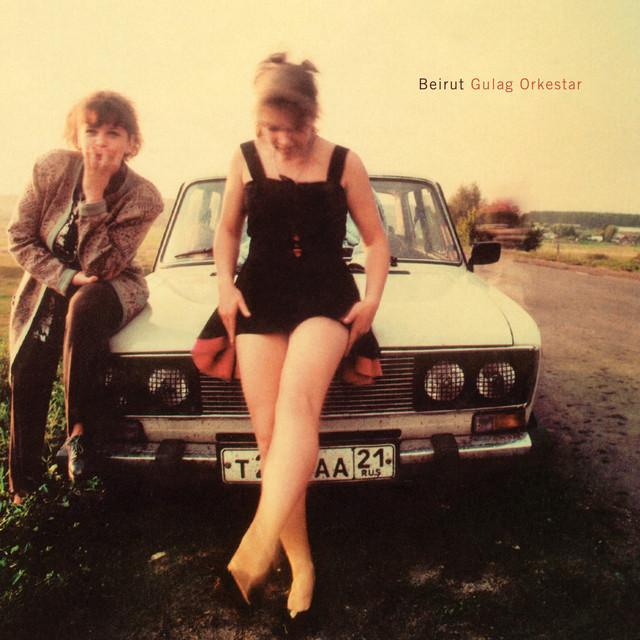
Beirut’s 2006 debut Gulag Orkestar introduced Condon’s blend of indie folk, baroque pop, and Balkan-inspired brass. According to that same Pitchfork interview, travel in Europe deeply affected his musical direction. He described that period as an awakening, and that sense of discovery runs through this song.
That context matters for the meaning of Postcards from Italy Beirut because the title and sound both reflect distance, travel, and reinvention. The song is not just about one person missing another. It is also about a young artist learning how place can reshape identity.
In that light, the track becomes both romantic and artistic. The postcard is from a relationship, but also from a phase of life.
Why the song still connects
Listeners keep coming back because the song avoids easy closure. It admits that painful years can still be cherished. It shows how memory edits suffering without fully erasing it. And it understands that hope can be beautiful even when it may not come true.
Beirut also make that emotional confusion sound gorgeous. The melody rises like celebration, while the lyrics look backward with caution. That contrast lets different listeners find their own story inside it: first love, missed timing, travel nostalgia, or the ache of growing up.
The lasting takeaway
The best way to hear “Postcards from Italy” is as a song about remembering a bond that survived hard times and then slipped into dream. Its final promise feels moving precisely because it may be unreachable.
That is why the song feels so full. It is about love, but also about the way memory turns love into myth.
Disclaimer: This interpretation is based on the lyrics, recording context, and documented comments from Zach Condon. As with any poetic song, listeners may reasonably hear different meanings.








