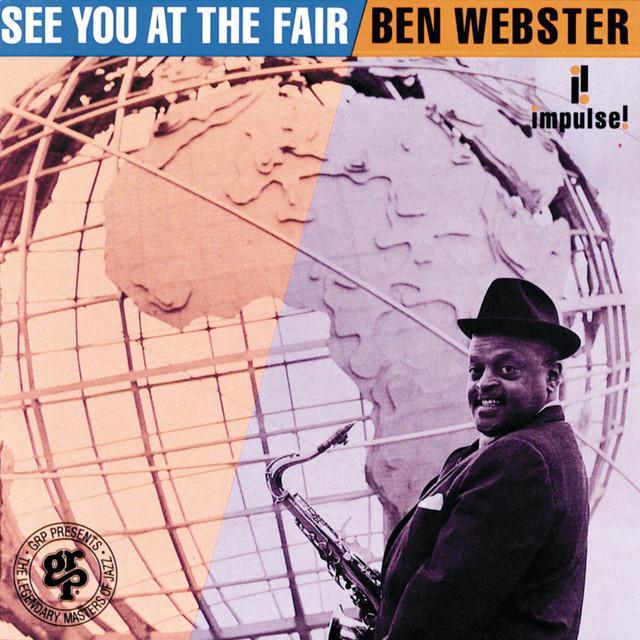
Over The Rainbow by Ben Webster
Why This Version Still Feels So Human
The meaning of Over The Rainbow Ben Webster begins with longing. Even before they focus on Webster’s saxophone tone, listeners can hear a dream that feels close enough to imagine and far enough to hurt. The song reaches for peace, safety, and a better world, but it never fully escapes the sadness of the present.
"Over The Rainbow" - Ben Webster
There's a land that I've heard of once in a lullaby.
Somewhere over the rainbow, skies are blue
Loading lyrics...
Unable to load lyrics
We're unable to display the lyrics at this time. Please try again later.
This standard was written by Harold Arlen and Yip Harburg for The Wizard of Oz, where it became one of the most famous songs in American music history. The Library of Congress and the Academy Awards both document its lasting cultural place. Ben Webster did not write the song, but his jazz interpretation gives it a different emotional weight: less childlike wonder, more lived-in tenderness.
Watch the official Over The Rainbow
music video
The Core Meaning: Hope Mixed With Distance
At its heart, the song imagines a place beyond ordinary pain. The opening idea, somewhere over the rainbow
, points to a dream world where the speaker believes life could be gentler and more beautiful. That vision is not just fantasy for fantasy’s sake. It is a response to trouble, fear, and disappointment.
When the lyric says dreams can come true, it offers comfort. But the song also asks why that freedom seems available to others and not to the speaker. That final emotional turn matters. The song is not only hopeful; it is also quietly wounded.
Interpretation: In Webster’s hands, this balance between hope and ache becomes even stronger. Their performance suggests that the dream is worth holding onto precisely because reality can be hard.
How the Lyrics Build That Feeling
The song moves in a simple but powerful emotional arc:
- It imagines a distant, beautiful place.
- It pictures release from everyday burdens.
- It compares that freedom to birds in flight.
- It ends with a painful question about why the speaker cannot reach it too.
That structure is why the lyric still lands so deeply. First comes comfort, then yearning, then self-doubt. Phrases like skies are blue
and dreams that you dare to dream
create a gentle promise. Later, the image of troubles drifting away makes that promise feel almost physical.
Where troubles melt like lemon drops,high above the chimney tops
This brief passage turns pain into something that can dissolve and disappear. It is a childlike image, but it speaks to an adult need: relief.
Birds, Height, and Escape
One of the song’s clearest symbols is flight. When the lyric mentions bluebirds fly
, it offers a picture of natural freedom. Birds do not argue with the sky; they move through it. The speaker sees that ease and wonders why human life feels heavier.
That is where the song becomes more than a sweet standard. The question why can’t I?
transforms the tune from daydream into personal ache. It is no longer just about an imagined land. It is about exclusion, limitation, and the painful gap between what one wants and what one can reach.
Interpretation: Some listeners hear this as a universal song about hope. Others hear a stronger undercurrent of loneliness or social distance. Both readings fit because the lyric never names one exact problem. Its vagueness makes it widely relatable.
What Ben Webster Adds Without Words
Ben Webster was one of jazz’s great tenor saxophonists, known for a huge, breathy sound and ballad playing that could feel almost vocal. On his reading of the song, that matters as much as the melody itself. They do not need lyrics to underline the meaning. Their phrasing does the work.
Webster often plays behind the beat in ballads, letting notes linger. That relaxed timing makes the melody feel reflective rather than decorative. A line that might sound simply pretty in another version can feel bruised, intimate, and patient with Webster.
The tone is also important. Webster could move from velvet softness to a rougher, airy edge within a phrase. That contrast mirrors the song’s emotional split: comfort on one side, ache on the other. In that sense, the arrangement does not just present the melody; it interprets it.
Jazz Context Changes the Song’s Meaning
In The Wizard of Oz, the song carries a character’s wish to leave hardship behind. In jazz, especially in a mature instrumental reading, the meaning shifts. Webster treats the tune less like a literal dream and more like an emotional memory.
That is why the song can feel more adult in this setting. The rainbow is no longer only a magical destination. It can suggest lost innocence, peace that never lasts, or a private hope someone keeps despite experience.
A Standard Built for Reinvention
Because it became a jazz standard, many artists have reshaped it through tempo, tone, and harmony. Webster’s version stands out because they resist flashy drama. Instead, they let warmth and restraint reveal the song’s sadness.
Interpretation: Their approach suggests that longing does not always arrive as a cry. Sometimes it sounds calm, controlled, and deeply felt.
So What Is the Meaning of Over The Rainbow Ben Webster?
The meaning of Over The Rainbow Ben Webster is the tension between hope and hurt. The song imagines a better place, but it also admits how far away that place can seem. Its beauty comes from holding both feelings at once.
Webster’s interpretation deepens that message through sound. Their saxophone makes the melody feel like a personal confession, turning a famous standard into something intimate and reflective. Rather than promising escape, this version honors the human need to keep dreaming anyway.
That may be why the performance lasts. It understands that hope is most moving when it is touched by sadness.
Disclaimer: This article offers an interpretation based on the lyrics, musical setting, and known context around the song and artist. Meaning can vary from listener to listener.








