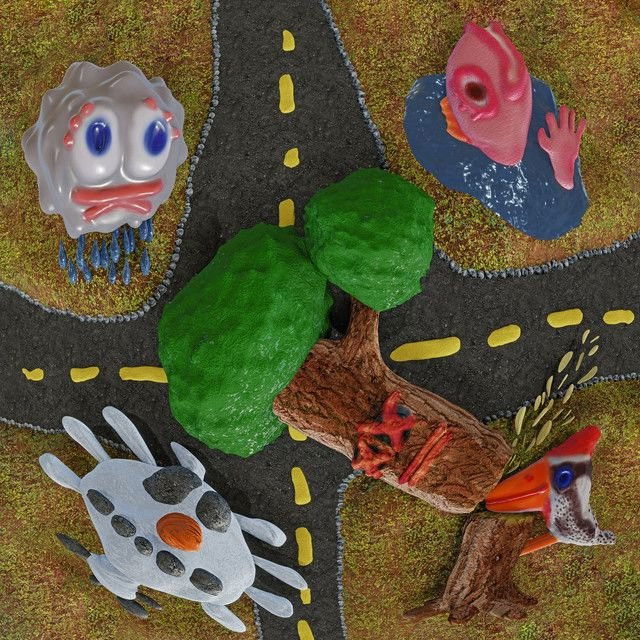
Snail by BENEE
The meaning of Snail BENEE is stranger and sweeter than it first appears: a lockdown-era pop song about hiding, longing, and only feeling safe enough to emerge in the right conditions.
"Snail" - BENEE
Provided by LyricFindWonder why you stay inside
I can't talk, can't speak my mind
Why you wanna waste your time?Loading...Loading lyrics...
Unable to load lyrics
We're unable to display the lyrics at this time. Please try again later.
A Tiny Creature, A Big Feeling
BENEE’s “Snail” was released on August 10, 2020 as a single from Hey U X, her debut album. It was written by Stella Bennett and Joshua Fountain, and produced by Fountain with BENEE, according to widely cited release information and credit listings from reference sources covering the single’s rollout. During that period, BENEE also linked the song to her COVID-era fascination with snails.
That backstory matters because the song does not use the snail image as a joke alone. The meaning of Snail BENEE comes from taking a small, odd creature and turning it into a self-portrait. The narrator seems shy, observant, and uncomfortable with open daylight. They want closeness, but they do not seem built for easy, direct connection.
In plain terms, the song is about emotional timing. Some people can move freely through the world. Others feel safer in dimmer, quieter moments.
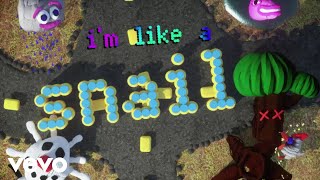
Watch the official Snail
music video
The Core Idea Behind the Chorus
The hook does most of the song’s heavy lifting. When BENEE sings I'm like a snail
, they frame the whole track as a metaphor for being cautious, hidden, and maybe a little misunderstood. The comparison to another person as you're a guy
keeps the image simple and personal, as if the narrator is measuring their fragile way of moving through the world against someone more ordinary or socially comfortable.
The next key detail is the wish in can't fly
. Paraphrased, the speaker seems frustrated by their own limits. A snail stays low, carries its shelter, and moves slowly. Wanting to fly suggests freedom, ease, or the power to cross distance without fear.
Interpretation: this is not really about zoology. It is about envy and self-awareness. The speaker knows they are not built for effortless social life, and that gap creates the song’s ache.
Why Hiding Matters So Much
Early lines describe someone staying indoors and struggling to speak openly. BENEE pairs that idea with a breezy melody, which creates an important contrast: the music sounds light, but the emotional situation is less easy.
One of the song’s best ideas is the move from daytime to weather. The chorus says hide away
during the day but come out in the rain. In paraphrase, the narrator avoids exposure and only emerges when the world feels softer, grayer, and less demanding.
That makes rain the song’s central symbol. In many pop songs, rain means heartbreak. Here, it means permission. Rain gives cover. It blurs the edges of things. It lets a shy person exist without feeling fully watched.
When it's day, hide away
But come out when it rains
That two-line contrast captures the song’s emotional design: retreat in exposure, movement in shelter.
A Small Love Story in Motion
The second verse quietly turns the metaphor into a scene. Night falls, and the narrator becomes active. They head out on a bike, follow the moonlight, and plan to meet someone while the rest of the world sleeps.
This matters because it shifts the song from personality sketch to narrative. The speaker is not hiding forever. They simply need the right hour, mood, and setting.
A few details make this scene feel tender:
- the movement happens at night, not in public glare
- the bike ride feels youthful and private
- the meeting place is ordinary, but the mood makes it magical
Interpretation: the song may be about a crush, but it is just as much about finding a way to be present despite anxiety or discomfort. The relationship matters because it draws the speaker out of their shell.
How the Sound Supports the Meaning
Critics at the time often described “Snail” as bright, bouncy, and upbeat. That response makes sense. The production leans into crisp electropop movement rather than slow, gloomy introspection. Even without quoting reviews directly, the broader reception consistently heard the track as playful on the surface.
That sonic choice is crucial to the meaning of Snail BENEE. The song does not dramatize isolation with heavy sadness. Instead, it turns weirdness into charm. The beat has a springy pulse, and BENEE’s vocal delivery sounds clipped, curious, and lightly detached. Those choices make the narrator seem observant rather than broken.
Joshua Fountain’s production also helps the metaphor land. The arrangement feels compact and nimble, almost like a creature inching forward and then repeating its route. The chorus is catchy enough to feel childlike, which softens the loneliness underneath.
Lockdown Context Makes the Song Clearer
BENEE has connected “Snail” to her lockdown experience and to spending time outside looking at snails during that period. That origin story explains why the lyrics mix domestic stillness with tiny flashes of fantasy. The song was born from restriction, but it refuses to sound trapped.
That is why the track’s oddity feels earned. It imagines a self that is small, weather-sensitive, and private, yet still capable of adventure. The official video’s fantasy imagery also fits that mood, expanding the song’s world into something surreal and playful.
So What Does “Snail” Finally Mean?
The simplest answer is this: the meaning of Snail BENEE is about a person who wants closeness but can only approach it indirectly. They hide in daylight, emerge in rain, and move toward another person on their own strange timetable.
Its genius is that it never overexplains. A snail becomes a symbol for social hesitation, romantic vulnerability, and the wish to live more freely. BENEE makes all of that feel catchy instead of heavy.
That is why the song lasts. It is cute, yes, but it is also honest about how some people need shelter before they can be seen.
Disclaimer: This article offers a good-faith interpretation based on the lyrics, available credits, and public artist context. Song meaning can remain open, and listeners may hear it differently.







