
How "Where Would I Go" Turns Victory Uneasy
The meaning of Where Would I Go Benny The Butcher, Rick Ross sits in the gap between celebration and consequence. On first listen, the song sounds like a luxury rap showcase: expensive cars, watches, condos, and status. But under that polished surface, both rappers keep returning to pain, memory, danger, and the cost of becoming who they are.
"Where Would I Go" - Benny The Butcher ft. Rick Ross
Where would I go?
You know real (where would I go?)
Loading lyrics...
Unable to load lyrics
We're unable to display the lyrics at this time. Please try again later.
That tension is what gives the track its weight. They are not just asking where success can take them. They are also asking what happens when a person is built by a hard past and still carries it into a richer future.
A Hook That Feels Like a Question and a Warning
The repeated title phrase, Where would I go?
, does more than connect the verses. It frames the whole song as a meditation on destiny. In plain terms, they seem to be saying that they have reached a level where they can move how they want. At the same time, the question hints that there may be no true escape from the life that shaped them.
Interpretation: The hook works in two directions. It can sound proud, like nobody can block their path. But it can also sound trapped, as if every road still leads back to the same code of survival, loyalty, and retaliation.
That double meaning fits both artists well. Benny The Butcher often writes with vivid street-detail and reflective realism, while Rick Ross has built a persona around wealth, command, and grand imagery. Together, they make the title feel both large and personal.
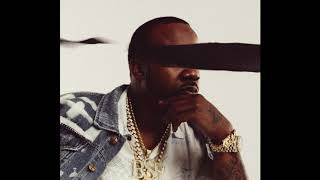
Watch the official Where Would I Go
music video
Benny The Butcher Grounds the Song in Consequences
Benny’s verse gives the song its emotional core. He starts from lived damage and earned status, linking past suffering to present success. When he mentions paying for his actions and recalls physical setbacks, he is not glamorizing struggle as something abstract. He is saying the rewards came with real bodily and emotional cost.
Short lines like feet first
and paid for my actions
sharpen that point. They suggest commitment without a safety net. He did not ease into the game; he entered fully and accepted what came back.
Then the song shifts into images of arrival: gold, cars, packages, palm trees. Yet even these signs of success feel tied to danger. Benny connects jewelry and weapons through the same cold language, making luxury and violence feel uncomfortably close. That is central to the meaning of Where Would I Go Benny The Butcher, Rick Ross: success does not erase the old mindset; it often rides beside it.
Rick Ross Expands the Song Into a Code of Power
Rick Ross enters with a bigger, more theatrical energy. His verse is full of legal references, boss language, and displays of scale. But he also pushes the song toward values, not just vanity. He contrasts those who want acceptance with someone already established, and he questions other rappers’ authenticity.
Phrases like invited
and live amazin'
present his confidence clearly. Still, the verse is not only about winning. Ross talks about violence, legal pressure, and the need to stay solid when things turn serious. Later, he turns almost instructional, stressing family, loyalty, and the danger of letting wealth own a person.
That idea lands hardest in his closing warning about material success and the soul. It reframes the earlier flexes. The cars and watches matter in the culture of the song, but they are not supposed to replace character.
The Real Story Moves From Survival to Legacy
The song’s narrative can be read in three steps:
- They begin in risk, scarcity, and street pressure.
- They reach visible wealth and public status.
- They ask what that success should mean for family, loyalty, and self-control.
That last step is what keeps the song from becoming empty brag rap. Benny wants to get rich and share it
, and Ross imagines children in a mansion, turning wealth into something generational. Even when the details are extravagant, the deeper goal is stability after chaos.
Interpretation: The song treats money as proof, but also as responsibility. Their past made them chase it, yet their maturity makes them ask what it is for.
Production That Makes the Lyrics Feel Monumental
The beat, tagged by Hit-Boy at the top, helps sell that mix of triumph and reflection. His production style often blends hard drums with soul-leaning textures and clean arrangement, giving rappers room to sound both commanding and thoughtful. Here, the backdrop feels stately rather than frantic, which suits two artists reflecting on long careers and hard-earned rank.
The beat does not overcrowd the verses. That matters because both rappers rely on voice texture and pacing. Benny sounds clipped and direct, as if each line is evidence. Ross sounds smoother and heavier, turning statements into declarations. The production lets those differences create meaning: one voice remembers the grind in detail, while the other crowns the outcome.
Why the Song Resonates Beyond Flexing
Part of the song’s appeal is that it speaks to a familiar rap theme without flattening it. Plenty of records celebrate making it out. Fewer capture how success can still feel haunted. In this track, luxury is real, but so is memory. Respect is real, but so is paranoia.
That balance is why the song feels more thoughtful than its glossy surface suggests. It understands that people can be proud of what they built and still uneasy about what it took.
Final Read on the Song’s Meaning
The meaning of Where Would I Go Benny The Butcher, Rick Ross is not just that they made it. It is that making it does not end the story. The song shows how ambition, trauma, loyalty, and wealth can all live in the same room.
In the end, the title question sounds less like a travel plan and more like an identity test. If the past built the person, where can that person really go next?
Disclaimer: This interpretation is based on the lyrics, performance, and artist context, and other listeners may reasonably hear the song differently.








