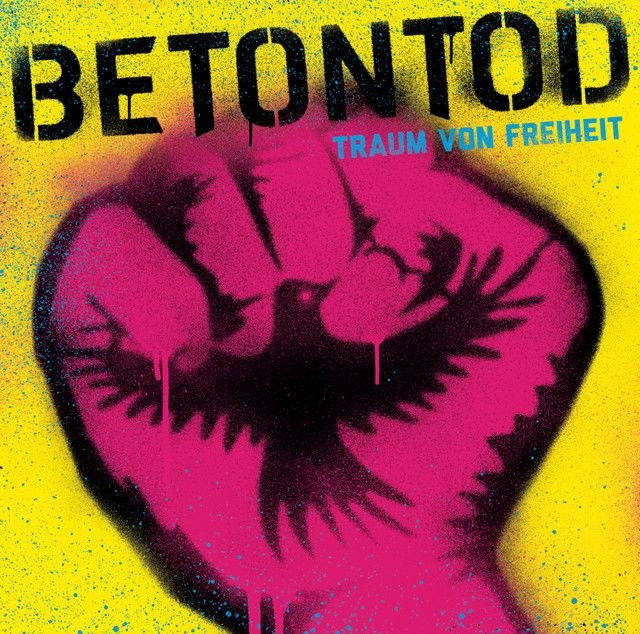
Why 'Traum von Freiheit' Burns With Defiance
The meaning of Traum von Freiheit Betontod comes through fast: this is a song about freedom imagined in the middle of pressure, fear, and public resistance. Betontod frame that dream not as a private wish, but as something people reach for together. The song turns the chaos of the street into a picture of courage.
"Traum von Freiheit" - Betontod
Oh oh oh, oh oh oh
Ich traf dich in den Straßen
Loading lyrics...
Unable to load lyrics
We're unable to display the lyrics at this time. Please try again later.
They do that with very physical images. Water cannons, smoke, fire, tear gas, and clenched fists all place the listener inside a confrontation. But instead of sounding defeated, the song sounds energized. That contrast is the key to its meaning.
A Protest Song That Feels Like a Promise
At its core, the track describes a moment when ordinary people stop accepting the rules around them. Early on, the lyrics describe a night that changes “normal” people and makes them rebels. That line matters because it says resistance is not limited to heroes or radicals. It begins when everyday people finally decide they have seen enough.
The song also creates a sense of invitation. One person meets another in the street, and that meeting becomes the doorway into a larger cause. The call for freedom is heard through silence, and truth is set against duty. In simple terms, the lyrics argue that obedience and truth are no longer on the same side.
Interpretation: the song is not just praising rebellion for its own sake. It is suggesting that rebellion becomes moral when systems demand silence over honesty.
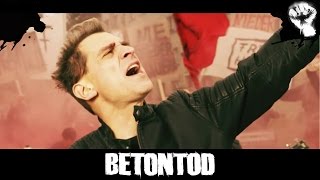
Watch the official Traum von Freiheit
music video
The Chorus Turns Violence Into Defiance
The chorus is the emotional center of the song. Betontod take brutal protest imagery and flip it into something communal and almost ecstatic. They sing about Wasserwerferregen
and turn that image into a scene of togetherness instead of fear.
Das Feuer unser Bühnenlicht
Und das Tränengas der Nebel
These short lines do a lot. They recast danger as stage light and smoke, almost like a performance. The message is not that violence is beautiful. It is that a movement can refuse to be broken by the tools used against it.
That is why the repeated dream of freedom lands so strongly. The chorus says that this dream comes true only gemeinsam auf einer Seite
. In other words, solidarity is the condition for change.
How the Story Moves From Private to Collective
One of the smartest things in the writing is how the song shifts scale. It starts with a direct encounter: one person meets another on the street. Then the lens widens to the crowd, the authorities, and a whole movement.
A few key steps shape that arc:
- A meeting sparks awareness.
- Silence gives way to a call for freedom.
- Fear turns into action.
- Doubt falls away.
- The crowd becomes united.
That structure makes the song feel like a conversion story. A person sees the face of the masses, clenches a fist, and takes the step that cannot be undone. When the lyric suggests there is kein Zurück
, it marks the point where belief becomes commitment.
Symbols That Carry the Meaning
The song’s imagery is direct, but it still works on a symbolic level.
Smoke, fog, and blurred light
These images suggest confusion and uncertainty. The world is hard to see clearly, yet that is exactly where an ideal of freedom appears. The song implies that clarity is not the absence of conflict; it is what people discover inside conflict.
Fire and stage light
Fire usually signals danger, but here it also becomes illumination. That twist suggests that struggle exposes truth. What burns also reveals.
Water cannons and tear gas
These details anchor the song in protest reality. They also show power trying to control bodies and space. Betontod answer that force with movement, dance, and unity.
How the Sound Supports the Message
Betontod are known as a German punk rock band, and that matters to the song’s effect. Their style typically favors big choruses, driving guitars, and a shout-ready energy that fits themes of solidarity and resistance. That musical language helps explain why “Traum von Freiheit” feels less like a diary entry and more like an anthem.
Even without getting lost in studio specifics, listeners can hear how the arrangement likely serves the idea. The verses build tension with narrative detail, while the chorus opens outward. The repeated “oh oh oh” vocal hook is especially important because it creates a crowd feeling. It invites participation, which mirrors the lyric’s belief in shared action.
Interpretation: the production makes freedom sound collective before the words even finish explaining it.
Alternate Ways to Read the Song
The most obvious reading is political: a protest anthem about state force and public resistance. The lyrics strongly support that reading through images of streets, tear gas, and mass confrontation.
But there is another possible reading. The “dream of freedom” can also describe breaking from old emotional restraints, social pressure, or inherited beliefs. The line about tearing free from old constraints gives that broader angle some weight. In that reading, the protest scene becomes a metaphor for inner liberation.
Still, the strongest version of the song combines both ideas. External struggle and inner awakening happen at once.
Why the Song Still Connects
The meaning of Traum von Freiheit Betontod lasts because it understands something basic: freedom feels most urgent when it is under pressure. The song does not imagine liberation as calm or clean. It imagines it in the middle of noise, smoke, and risk.
That is what gives the track its charge. Betontod present freedom as a shared decision made by people who finally stop standing apart. Their dream becomes believable only when they choose the same side.
Disclaimer: This interpretation is based on the lyrics provided and general artist context. As with any song, meaning can vary from listener to listener.







