
Curls by Bibio
Why the meaning of Curls Bibio feels so vivid
The meaning of Curls Bibio centers on how tiny sensory moments can hold deep emotional weight. Rather than telling a straight story, the song gathers memories, textures, and passing images into something tender and reflective.
"Curls" - Bibio
Who'd have thought that we'd break the things we like?
To find a stone just to bounce across the pond
Loading lyrics...
Unable to load lyrics
We're unable to display the lyrics at this time. Please try again later.
Bibio, the project of Stephen Wilkinson, released “Curls” in 2019 after the ambient album Phantom Brickworks. According to Wilkinson’s statement quoted by Stereogum, the song grew from “separate memories, observations and fantasies” joined by admiration for small things in life. That context matters because the lyrics do not behave like a plot. They behave like memory itself.
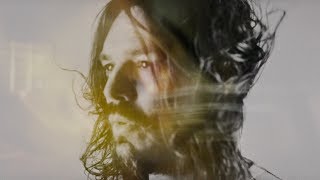
Watch the official Curls
music video
A song about memory through the senses
At its core, the song is about how smell, touch, weather, and light can trigger feelings that seem larger than the moment. The repeated image of hair in night air is not just about appearance. It suggests closeness, memory, and the way a person can carry the outside world with them.
When the lyric points to her hair curls
and to a scent that feels like a photograph with life
, it turns memory into something almost physical. A photograph is usually still and distant. Here, memory breathes, moves, and returns through the senses.
Interpretation: this is less a love song in the usual sense than a song of attention. They are not hearing grand promises. They are hearing someone try to preserve a fleeting feeling before it disappears.
How the verses connect loss and wonder
The opening lines set up a contrast between inner feeling and the outside world. The phrase to see within
suggests self-examination, while the darker thought about breaking what people like hints at regret. In other words, the song knows life can be damaged, even by the people living it.
That tension returns in the second verse, where home can become painful rather than safe. The song briefly opens a door to conflict and emotional ruin, then moves back toward natural images: stones on water, bones in a stream, paths, ponds, greens. Those objects seem random at first, but they all leave traces.
That is the key connection. A stone bouncing across water makes a pattern. A drifting object in a stream takes a path. A scent caught in hair leaves a record. The song keeps asking how a passing thing can leave meaning behind.
under yellow sodium lights
memory of night
In that brief image, ordinary street lighting becomes a memory machine. The scene is humble, almost suburban, yet Bibio treats it as sacred.
The chorus turns a person into a memory-space
The repeated lines work like a chorus, but they do more than repeat a hook. Each return adds emotional pressure. The hair, the damp night, and the scent become linked so tightly that the person in the song almost turns into a place one can revisit.
The line about a woolen coat under sodium lights is especially important. It grounds the song in a specific scene: cool air, artificial yellow glow, fabric holding weather. Those details make the emotion believable because they are so concrete.
Interpretation: the person may be a romantic figure, but they may also be a vessel for a whole state of mind. The song admires a person, yet it also admires what gathers around them: atmosphere, season, memory, and presence.
Nature, objects, and the clues they leave
Bibio often writes in a way that connects human feeling with the natural world, and “Curls” is a strong example. Stones, ponds, streams, air, dampness, and night are not decoration. They are the song’s method.
Notice how often the lyrics focus on paths and traces. The stone’s movement is a clue to other songs
; the floating object points toward broader life beyond the self. Even when the song sounds personal, it keeps widening outward.
This matches Wilkinson’s comment that such small observations can feel meaningful and even ancient. The implication is that people across centuries have known the same sensation: wet air on clothing, a familiar smell, a face remembered at dusk. “Curls” turns that shared human experience into music.
How the sound carries the meaning
Part of the meaning of Curls Bibio comes from its arrangement. Reports around the single’s release described it as folk-leaning, with airy strings, wind instruments, and Bibio’s soft vocal returning to the front after the more ambient Phantom Brickworks era. That sound matters because it mirrors the lyrics’ gentle attention.
There is no big rhythmic push or dramatic explosion. Instead, the track seems to float. The vocal is intimate, almost careful, as if they do not want to disturb the scene they are describing. The instruments feel breathable and light, which supports the lyric idea that fresh air and tiny observations can carry emotional truth.
The production also avoids clutter. That choice gives each image room to linger, the way a smell or flash of light lingers in the mind.
The most convincing reading of the song
The strongest reading is that “Curls” is about reverence for ordinary life. It knows damage exists, but it resists despair by noticing what still feels alive. The song suggests that meaning is not always found in major events. Sometimes it lives in the air around a person after a night walk.
A second reading is more romantic. They could hear it as a portrait of desire filtered through memory, where the loved person is recalled by texture and atmosphere rather than by conversation. That reading fits too, but the song feels wider than romance alone.
Why the song stays with listeners
“Curls” lasts because it treats everyday details as emotionally serious. It says a life can be measured not only by milestones, but by what the senses keep.
For many listeners, that is the real meaning of Curls Bibio: memory is not a file of facts. It is damp air, yellow light, fabric, hair, and a feeling that returns before words do.
Disclaimer: This interpretation is based on the lyrics, the recording, and Bibio’s public comments. As with any poetic song, listeners may hear additional meanings.









