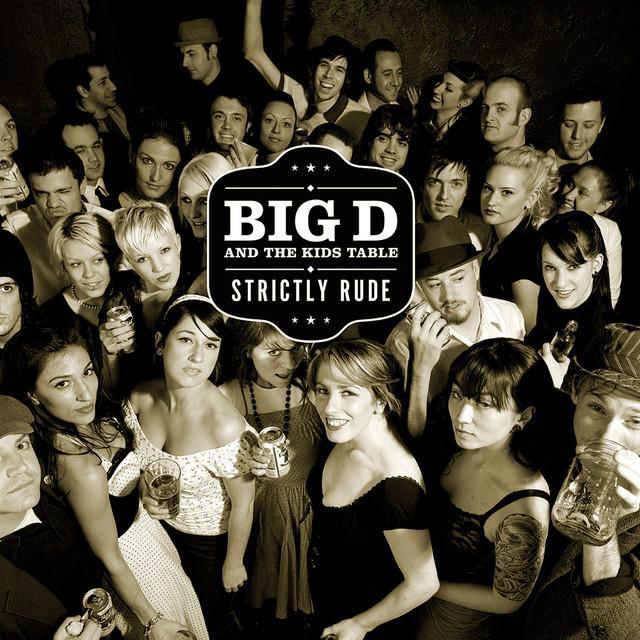
Noise Complaint by Big D and the Kids Table
The meaning of Noise Complaint Big D and the Kids Table comes down to joyful chaos. They turn a house party into a small rebellion, where being too loud is not a failure of manners but proof that the room is alive. The song is funny, messy, and proudly excessive, but it also says something bigger about community and outsider identity.
"Noise Complaint" - Big D and the Kids Table
The souped-up vinyl spinning (Noise Complaint!)
Laughing is a reason (Noise Complaint!)
Loading lyrics...
Unable to load lyrics
We're unable to display the lyrics at this time. Please try again later.
Why This Party Song Feels Bigger Than a Joke
On the surface, the track is simple: a crowd gets loud, the neighbors get mad, and the police eventually appear. But the song’s real engine is attitude. Every shouted return to Noise Complaint!
reframes conflict as celebration.
Interpretation: They are not just singing about one night. They are celebrating a kind of punk-and-ska freedom, where rules, respectability, and quiet living are the enemy of connection. The joke is that everybody knows how this story ends, yet nobody wants to stop it.
That outlook fits the band’s history. Big D and the Kids Table formed in the Boston area in 1995 and built a reputation through a strong DIY ethic, constant touring, and a mix of ska punk, reggae, and dub influences, according to publicly available band histories (Wikipedia). A song like this sounds built for that world.

Watch the official Noise Complaint
music video
The Hook Turns Trouble Into a Trophy
The chorus is the key to the whole song. When they sing we can't be stopped
, they are not making a serious political statement. They are turning party momentum into a myth.
The title phrase works because it has two meanings at once:
- It is a literal complaint from neighbors or police.
- It is also proof the night has become unforgettable.
That is why lines about stomped floors, blown speakers, and irritated neighbors never sound apologetic. Even when the narrator jokes about being sorry officer
, the apology feels playful rather than sincere. The conflict becomes part of the ritual.
Scene by Scene, the Song Builds a House-Party Movie
The verses move like snapshots. Instead of one deep confession, they give quick images that pile up into a full scene.
The room starts overflowing
Early details suggest a packed, physical space: stomping feet, records spinning, laughter, and speakers pushed too hard. The phrase blowing out the speakers
matters because it shows excess in both sound and spirit. Nothing is moderate here.
The neighborhood starts fighting back
Then the outside world enters. Neighbors pound the floor, the party becomes public, and privacy disappears. The fun is no longer contained inside the house.
Authority finally arrives
The arrival of police gives the song a comic climax. People hide, flirt, scramble, and keep the mood light. Instead of fear taking over, the song treats the bust like another wild detail in the night’s legend.
This structure is part of why the song feels so vivid. It is less about plot than escalation.
Outsiders, Weird Kids, and Group Identity
One of the most revealing moments is when the song calls the crowd the truly un-cool
. That phrase helps explain the deeper meaning of Noise Complaint Big D and the Kids Table.
Interpretation: They are celebrating a room full of misfits. The party is not glamorous. It is sweaty, goofy, slightly gross, and deeply communal. That matters in ska punk, a genre that often values participation over polish.
The song’s cast includes shy girls, rude girls, giggling dolls, alley dogs, and random party kids. These are not portraits of elegance. They are fragments of a scene where everybody can belong, especially people who do not fit clean social roles.
So while the song is clearly comedic, it also carries a small social message: if mainstream coolness shuts people out, they can make their own loud room instead.
How the Sound Carries the Meaning
The production and arrangement matter as much as the words. Big D and the Kids Table are known for blending ska horns, punk energy, and singalong momentum, and this track leans hard into that identity. The band’s 2007 Noise Complaint EP was released through SideOneDummy during the same era as Strictly Rude, a period when they were heavily touring and pushing their live reputation (Wikipedia).
That context helps explain why the song feels so physical. Even without hearing every instrument in isolation, the structure suggests several things:
- a fast tempo that mimics a room spinning out of control
- shouted responses that sound like a crowd chant
- punchy rhythm playing that keeps bodies moving
- a rough, communal delivery instead of polished distance
Interpretation: The song is designed to sound like the event it describes. The repeated hook acts like a gang yell, almost as if the audience is filing the complaint and answering it at the same time.
A Short Lyric Moment That Sums It Up
The song’s core idea comes through in this brief section:
Well it's a sure shot, we can't be stopped
Twenty bucks says there's a noise complaint
Paraphrased, the point is simple: they know the backlash is coming, and they are already laughing about it. That confidence is why the song feels less like a warning and more like a toast.
Final Take on the Song’s Meaning
The meaning of Noise Complaint Big D and the Kids Table is not hidden under layers of mystery. It is about youth, volume, disorder, and the pleasure of making a space where outsiders can be fully themselves. What makes it memorable is that the song never separates the mess from the joy.
They present chaos as community. The louder the world pushes back, the more the party proves it exists.
Disclaimer: This interpretation is based on the song’s lyrics, sound, and known band context. As with any song, listeners may hear meanings that differ from this reading.







