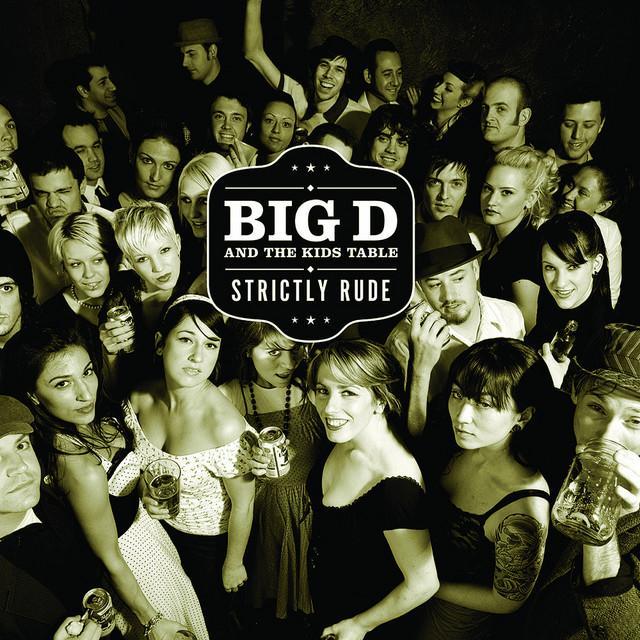
Why 'Shining On' Turns Bad Luck Into Joy
The meaning of Shining On Big D and the Kids Table comes into focus fast: this is a song about having a terrible day and refusing to let it win. The narrator loses a favorite hat, gets caught in relationship drama, runs into money problems, and becomes the target of rumors. Yet the chorus keeps lifting their eyes back to the light.
"Shining On" - Big D and the Kids Table
Which is tickin' me right off 'cause I
Had that cap since I was real-real small.
Loading lyrics...
Unable to load lyrics
We're unable to display the lyrics at this time. Please try again later.
That is why the song feels so likable. It does not deny that life is messy. Instead, it argues that even on a bad day, something larger and better can still be true.
A Rough Day, Told With a Grin
The verses pile up small disasters in a way that feels almost comic. First comes the lost hat. Then a partner goes through the phone, which ends the relationship. Then transit goes badly, cheap wine breaks, and the narrator has to make the best of it.
These details matter because they are ordinary. The song is not about huge tragedy. It is about the kind of frustrations that can poison a whole day if someone lets them.
Interpretation: the humor is part of the message. By telling each setback with a shrug and a joke, the song shows that perspective is already starting to win over self-pity.

Watch the official Shining On
music video
The Chorus Changes the Whole Story
The key line is the image of the sun shining down
. Before and after that phrase, the song makes clear that the narrator cannot stop smiling even while everything around them is going sideways.
That is the central emotional switch in the song. The chorus does not solve any practical problem. The hat is still gone. The breakup still happened. The rumors still exist. But the light changes how those problems feel.
In simple terms, the chorus says this: if the world is still bright, then the day is not ruined.
Born to just never care,Born to just never care
This short repeated idea can sound careless at first. But in context, it is less about numbness and more about refusing to obsess over what the song calls the stupid things
people complain about.
What the Narrator Is Really Rejecting
A big clue to the meaning of Shining On Big D and the Kids Table is the song’s attitude toward social noise. Midway through, the narrator hears that someone has been spreading rumors. That could easily turn the song bitter.
Instead, the narrator brushes it off. They even say those comments are ain't affecting me
. Whether that is fully true or partly a brave face, the effect is important: the song chooses freedom over obsession.
Interpretation: this is a quiet anti-drama anthem. It pushes back against gossip, whining, and the habit of making every annoyance feel huge.
City Life as More Than a Backdrop
The setting does a lot of work here. Public transit, cheap liquor, sidewalks, bars, and summer streets all create a very lived-in urban world. This is not a dreamy escape song. It stays right inside the city’s hassles.
That matters because the light imagery becomes more powerful in that setting. The sun on dirty streets, and later the stars over the city, suggest beauty inside clutter. The world is not cleaned up first. It is appreciated as-is.
By the end, the song has moved from daylight to nighttime. The emotional idea stays the same. The narrator is still warmed by life, still smiling, still looking up.
Friendship Helps Carry the Message
The final section introduces Johnny Trouble, and that shift is important. Up to that point, the narrator is mostly alone with their bad luck. Later, they sit outside, talk, and share a cheap, improvised night out.
That gives the song a second source of hope besides sunlight: companionship. Even when money is short, friendship makes the city feel generous.
The stars then replace the sun, but the meaning stays steady. Light keeps arriving in different forms. Daylight says the world is still open. Starlight says the feeling can last into the night.
How the Sound Supports the Lyrics
The provided context identifies the song as alternative, and that fits the writing. The lyrics are casual, specific, and a little scrappy, so a polished or overly grand arrangement would likely weaken the point.
Instead, the song works because its energy feels human. The repeated hook has the kind of lift that turns private frustration into a communal sing-along. That contrast—messy verses, uplifting refrain—mirrors the emotional movement in the lyric.
Interpretation: the production likely matters less as display than as attitude. The song needs momentum, warmth, and looseness so the optimism feels earned rather than forced.
Juliana Hatfield’s Credit Adds Another Layer
The material provided here says the song was written by Juliana Hatfield. That is worth noting because Hatfield has long been known for sharp, personal songwriting in alternative rock contexts. While this article avoids unsupported claims beyond the supplied information, that credit helps explain why the lyric feels both conversational and pointed.
In other words, the song sounds like someone noticing how absurd a bad day can be and then outsmarting it with attitude.
Why the Song Still Connects
What makes this song memorable is its scale. It does not need a giant life lesson. It just takes one rotten day and turns it into a small philosophy: stop moaning, look up, and keep moving.
That is the lasting meaning of Shining On Big D and the Kids Table. The song says joy is not the absence of annoyance. It is the refusal to hand annoyance full control.
And that final Imagine that!
lands like a grin. After all the mess, the narrator has found a way to feel lucky anyway.
Disclaimer: This interpretation is based on the lyrics provided and general musical context. Song meaning can remain open, and different listeners may hear it differently.







