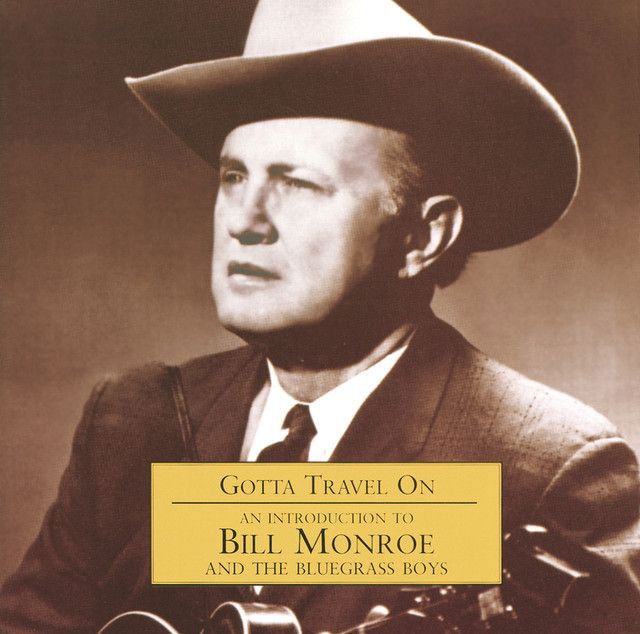
Why Bill Monroe’s Kentucky Song Still Hits Home
The meaning of I'm Going Back to Old Kentucky Bill Monroe starts with a simple idea: a person wants to return home. But in Bill Monroe’s hands, that idea becomes bigger than travel. It becomes a song about love, memory, and the emotional pull of a place that feels tied to identity.
"I'm Going Back to Old Kentucky" - Bill Monroe
There to see my Linda Lou
I'm going back to old Kentucky
Loading lyrics...
Unable to load lyrics
We're unable to display the lyrics at this time. Please try again later.
Monroe, often called the “Father of Bluegrass,” built much of his music around Kentucky roots and rural feeling, as noted by the Country Music Hall of Fame. That context matters here. This song is not just about geography. It treats Kentucky as home, romance, and peace all at once.
A Love Song Wrapped Inside a Homecoming
On the surface, the story is direct. The singer says they are returning to Kentucky to reunite with Linda Lou. Short lines like old Kentucky
and Linda Lou
make the goal easy to follow.
Yet the song’s emotional center is not just reunion. It is longing. The singer has already left, and that absence has created pain on both sides. When the lyric mentions that she cried at parting, the song gives the separation a human face. Kentucky is where the loved one lives, but it is also where the singer feels most complete.
Interpretation: this is why the song feels warm rather than dramatic. It does not describe a shattered relationship. Instead, it describes a bond strong enough to survive distance.

Watch the official I'm Going Back to Old Kentucky
music video
How the Verses Build the Story
The song moves in a neat, almost folk-like pattern. Each verse adds one more reason the return matters.
- First, the singer states the plan to go home.
- Next, the song recalls the painful goodbye.
- Then, it focuses on Linda Lou’s beauty and the singer’s devotion.
- Finally, it promises a permanent return.
That last turn matters most. A phrase like coming back to stay
changes the song from a temporary trip into a life decision. The narrator is not only visiting. They are choosing belonging.
This makes the chorus stronger each time it returns. What first sounds like a simple refrain becomes a vow.
The Chorus Turns Kentucky Into an Ideal
One of the smartest things Monroe does is keep the chorus plain. The line about skies being blue, summed up in always blue
, is not complex poetry. That simplicity is the point.
The song presents Kentucky less as a realistic place than as an idealized home. The state becomes a picture of calm weather, faithful love, and emotional safety. Many traditional country and bluegrass songs work this way. They turn home into a symbol of order in a world full of movement and loss.
When the roses bloom in old Kentucky
I'll be coming back to stay
In that short closing promise, nature and commitment join together. The blooming roses suggest a season of renewal. The return is timed not only by miles traveled, but by hope ripening into action.
What Linda Lou Represents
Linda Lou is clearly a love interest, but she also functions as a symbol. She is the person waiting back home, the emotional reason the journey matters. When the singer praises her beauty, the song stays within country tradition, where physical detail often stands in for deeper affection.
Still, the key point is not appearance. It is loyalty. The singer does not describe meeting someone new or being torn between places. Their heart is fixed. The repeated pull toward Linda Lou makes the song feel steady and sincere.
Interpretation: Linda Lou may also represent the life the singer wants to reclaim. She is not just a person but a link to a simpler, more rooted world.
Why Bill Monroe’s Sound Fits the Meaning
The meaning of I'm Going Back to Old Kentucky Bill Monroe also comes through the music itself. Monroe’s style helped define bluegrass music: high, urgent vocals; fast string playing; and a clean, driving rhythm built from mandolin, fiddle, guitar, banjo, and bass.
Even when a song’s words are tender, that sound can give it motion. That matters here because the lyric is all about movement toward home. The bright mandolin attack and forward pulse make the return feel active, not dreamy. The singer is not only remembering Kentucky. They are on the way.
At the same time, Monroe’s vocal style often carried a lonesome edge. That “high lonesome” feeling keeps the song from becoming too sweet. The listener hears desire and distance in the performance, even as the words promise reunion.
Artist Context Deepens the Song
Bill Monroe was born in Kentucky, and his music often treated the region as a deep source of identity. That biographical fact strengthens the song’s emotional credibility. When he sings about going back, listeners can hear more than a made-up character. They can hear an artist whose image and sound were closely tied to the state.
That helps explain why the song has lasted. Its language is simple enough for anyone to follow, but Monroe’s history gives it extra weight. For many listeners, especially in the United States, the song taps into a familiar feeling: the idea that home may be imperfect, but it still holds emotional power no other place can replace.
A Small Song With a Lasting Pull
In the end, the song is about two returns happening at once. One is romantic: the singer is going back to the person they love. The other is personal: they are going back to the place that tells them who they are.
That is why the song endures. Its message is easy to hear, but it reaches far beyond one couple. It speaks to homesickness, memory, and the hope that some goodbyes do not last forever.
Interpretation disclaimer: This reading separates clear facts from interpretation. The lyrics plainly describe a return to Kentucky and Linda Lou; deeper ideas about identity, symbolism, and idealized home are critical readings, not confirmed statements from the songwriter.







