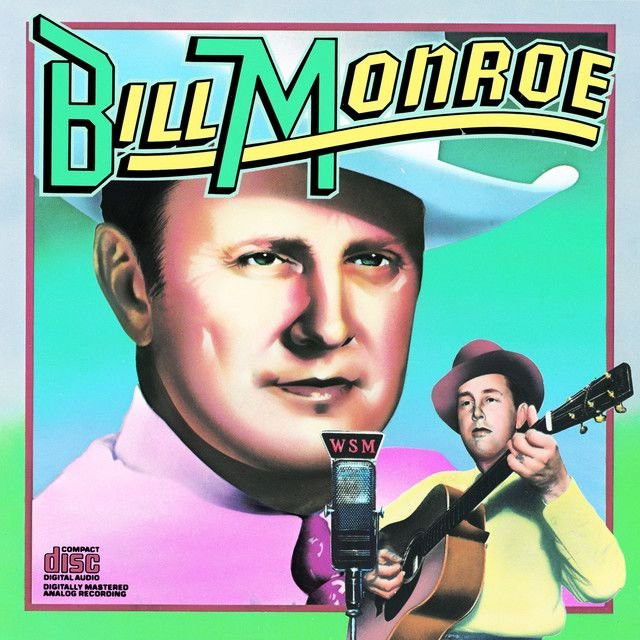
Why 'Kentucky Waltz' Still Breaks Hearts
The meaning of Kentucky Waltz Bill Monroe comes down to one elegant idea: a brief moment of love can last longer in memory than it did in real life. Bill Monroe wrote and recorded the song in 1946, and it became his biggest hit on the Country & Western charts, reaching No. 3, according to chart histories summarized by Wikipedia. That success makes sense. The song is plainspoken, tuneful, and emotionally direct.
"Kentucky Waltz" - Bill Monroe
Beneath the beautiful harvest moon
And I was the boy that was lucky
Loading lyrics...
Unable to load lyrics
We're unable to display the lyrics at this time. Please try again later.
What keeps it alive is not a complicated plot. It is the ache of looking back at a night that felt perfect and realizing it is gone.
A Love Story Preserved in Moonlight
At the center of the song is a memory of dancing with someone special in Kentucky. The setting feels magical, especially with the image of the harvest moon
. That detail does a lot of work. It places the memory in nature, in a season of fullness, and in a world that feels calm and almost timeless.
Then the song turns. The narrator remembers being lucky, but says it ended too soon
. In just a few words, Monroe shifts from romance to loss. The relationship may have ended, or the night itself may simply stand for a happiness that could not last.
Interpretation: Many listeners hear the song as both a breakup ballad and a song about memory itself. The heartbreak is real, but so is the beauty of remembering.

Watch the official Kentucky Waltz
music video
The Simple Story, Step by Step
The lyric follows a clean emotional arc:
- They remember dancing one night in Kentucky.
- The night feels beautiful and rare.
- They know they were fortunate to be there.
- In the present, they sit alone with that memory.
- They still want the lost closeness back.
That movement from shared joy to solitude is why the song hits so hard. Monroe does not crowd the lyric with details. Instead, he gives listeners a scene, a mood, and a wound.
The line about seeing a smiling face
in memory shows how vivid the past remains. The wish for your embrace
makes clear that this is not casual nostalgia. It is longing with no easy answer.
Why the Waltz Form Matters So Much
The title is not decorative. A waltz is a dance in triple time, and that flowing 3/4 feel gives the song its emotional shape. Rather than pushing forward like a fast bluegrass breakdown, the rhythm circles gently, almost like someone replaying the same memory again and again.
That matters when discussing the meaning of Kentucky Waltz Bill Monroe. The form mirrors the feeling. A waltz is intimate. Two people move together. Even after the relationship is gone, the body seems to remember the pattern.
Sound and Emotion in Bill Monroe’s Style
Monroe is widely known as the "Father of Bluegrass," a title recognized by institutions like the Rock & Roll Hall of Fame. But songs like "Kentucky Waltz" show that his art was not only about speed and virtuosity. It was also about emotional control.
In performance, the melody tends to feel smooth and mournful. The instrumentation associated with Monroe’s world—mandolin, fiddle, guitar, bass, and close country-bluegrass phrasing—supports the lyric without overwhelming it. The result is tender rather than flashy.
Kentucky as More Than a Place
The state name in the title does more than mark geography. Kentucky becomes a symbol of home, roots, and a remembered past. Monroe was born in Kentucky, a fact documented by the Country Music Hall of Fame. That biographical link gives the song extra weight.
Interpretation: Even if the lyric is heard as a personal love song, Kentucky may also represent an idealized homeland. The lost romance and the lost moment of place can blend together.
That helps explain the song’s lasting pull. Listeners do not need to have danced in Kentucky to understand it. They only need to know what it feels like when a place and a person become tied together in memory.
Why the Repetition Works
The lyric repeats its main verse, and that repetition is not laziness. It is the point. Heartbreak often sounds repetitive because grief is repetitive. People return to the same night, the same image, the same question.
We were waltzing that night in Kentucky
Beneath the beautiful harvest moon
Those lines frame the memory like a photograph. Each return makes the scene more precious and more painful.
A Song With a Life Beyond Monroe
The song’s reception also tells part of its meaning. Monroe’s version was a major country hit, and later covers expanded its reach. Eddy Arnold took his version to No. 1 on the Country & Western Best Seller chart in 1951, while Rosemary Clooney also had a pop-charting version that year, as summarized by Wikipedia. That crossover history suggests the song touched something broad and human.
Its language is regional, but its feeling is universal.
What 'Kentucky Waltz' Ultimately Says
In the end, the meaning of Kentucky Waltz Bill Monroe is not hard to state, but it is hard to shake. It is about how one beautiful night can become the measure of what has been lost. Love fades, time passes, but memory keeps dancing.
That is why the song still works. It trusts a quiet image, a graceful rhythm, and a single emotional truth.
Disclaimer: This interpretation separates documented facts from informed reading. As with many classic songs, listeners may hear different meanings in Monroe’s lyric and performance.








