Why 'Old Kentucky Shore' Hurts So Deep
The meaning of On the Old Kentucky Shore Bill Monroe comes through with striking clarity: it is a mourning song rooted in place, faith, and personal loss. Rather than hide grief behind vague poetry, the lyric tells a simple story of someone visiting a grave, remembering a dead loved one, and trying to live with that absence.
"On the Old Kentucky Shore" - Bill Monroe
Down by the Church of God
I looked upon the one I love
Loading lyrics...
Unable to load lyrics
We're unable to display the lyrics at this time. Please try again later.
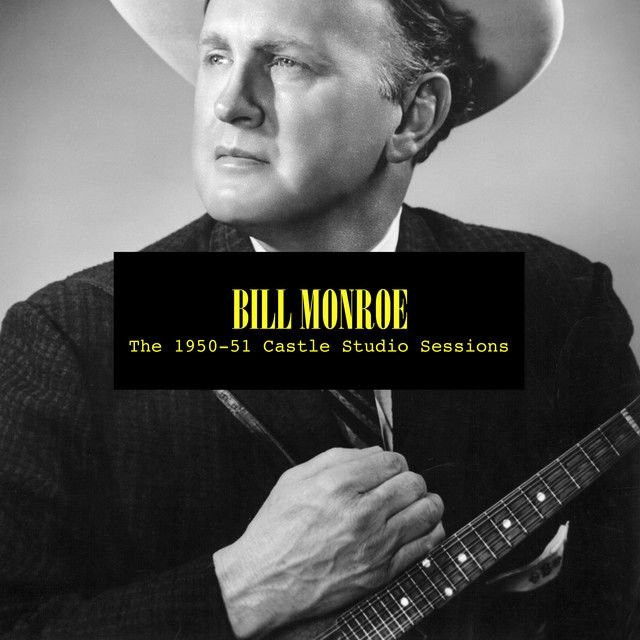
Bill Monroe is widely recognized as the “Father of Bluegrass” through the long influence of his singing, mandolin style, and songwriting legacy, a reputation reflected by institutions such as the Country Music Hall of Fame and the Rock & Roll Hall of Fame. That context matters here. Monroe often wrote songs that tied emotion to Kentucky landscapes, and writers have noted how strongly Kentucky shaped even songs like “Blue Moon of Kentucky”. In this song, they turn that same regional pull into a lament.
A Graveyard Song, Not Just a Love Song
At the most basic level, the song opens with a walk to a burial place. The narrator goes to the graveyard and faces the fact that the person they loved is gone. When the lyric mentions the graveyard
and being covered with sod
, it is blunt about death. There is no romantic softening of what happened.
That directness is a big part of why the song hits so hard. Monroe does not build suspense around whether the loved one is dead. They tell the listener immediately, then spend the rest of the song exploring what grief feels like after the loss is already real.

Watch the official On the Old Kentucky Shore
music video
Kentucky as Memory’s Landscape
The setting is not random. The song places the story along the Ohio River
and on the old Kentucky shore
. Those details do two jobs at once.
First, they make the scene vivid and local. Listeners can picture a river town, a churchyard, and a home marked by mourning. Second, they connect personal pain to Monroe’s larger artistic world. Kentucky in Monroe songs often feels like more than geography; it becomes a keeper of memory, longing, and identity.
Why place matters so much here
In Interpretation, the shore represents emotional return. The narrator is not only traveling to a location. They are returning to the place where love once lived and where loss now lives. The land holds both the joy of the past and the wound of the present.
That is one reason the song feels so American and so Appalachian without needing many words. River, church, home, and graveyard create a whole social world.
How the Story Unfolds
The lyric follows a clean narrative line:
- The narrator visits the graveyard.
- They identify the dead beloved and the home now marked by mourning.
- They explain the death through religious language.
- They recall the loved one’s last message.
- They end by imagining reunion in heaven.
This simple structure gives the song the feeling of testimony. It sounds less like a puzzle to solve and more like a person trying to speak through pain.
The angels took my darling
I'll meet her up above
Those lines show the song’s emotional turn. It begins at the grave, but it does not stay there.
Faith Changes the Meaning of the Loss
Without its religious frame, this would be a pure tragedy. With that frame, it becomes a grief song that reaches for comfort. The narrator says God needed the loved one and believes they will meet again in heaven. Whether a listener shares that belief or not, the song treats faith as the only thing strong enough to answer death.
In Interpretation, that belief does not erase sorrow; it organizes it. The pain remains, but it becomes survivable because the separation is no longer seen as final. The song’s final emotional move is not denial. It is endurance.
The line about the dying woman wanting to see the person she loved one more time makes the loss even sharper. It adds unfinished human pain before the spiritual consolation arrives.
The Loved One’s Last Words
One of the song’s strongest choices is its memory of farewell. The narrator recalls a final message of love and goodbye. That moment matters because it keeps the dead person emotionally present. They are gone physically, but their voice still shapes the song.
This is also where Monroe’s writing shows discipline. Instead of adding many details, they choose one intimate memory and let it stand for the whole relationship. That restraint makes the song feel honest.
How Monroe’s Sound Supports the Message
Bill Monroe’s best-known recordings often combine high, tense singing with lean acoustic backing, especially mandolin-led bluegrass textures documented by the Bill Monroe Foundation and the Encyclopaedia Britannica. Even when a song is simple on paper, that sound can make it feel haunted, urgent, and deeply human.
For a song like this, the likely effect is crucial: acoustic instruments leave emotional space around the words, while Monroe’s vocal style can carry what fans often call the high-lonesome feeling. That sound fits a lyric about a graveside better than lush production would. It keeps the pain close.
Singer-songwriter writing in a bluegrass world
Although the song is tagged here as singer-songwriter, it still reflects Monroe’s bluegrass-rooted strengths: plain diction, strong image-making, and emotional directness. They do not need abstraction. The church, river, door, angels, and sky already hold the meaning.
Final Take on the Song’s Meaning
The meaning of On the Old Kentucky Shore Bill Monroe is ultimately about how love survives death through memory, place, and belief. The song begins in front of a grave but ends with a promise of reunion. That movement from earth to heaven is what gives the lyric its lasting power.
In Interpretation, the old Kentucky shore is the border between two worlds: life and death, presence and memory, sorrow and hope. Monroe makes that border feel personal, local, and sacred all at once.
Disclaimer: This interpretation is based on the lyrics, Monroe’s broader artistic context, and common critical readings. As with any song, listeners may hear its meaning differently.








