Why 'bad guy' by Billie Eilish Smirks at Power
If you’re asking about the meaning of bad guy Billie Eilish, think playful villainy with a purpose. The song wears a smirk, not a snarl. It turns the idea of the “scary” rebel into a joke that exposes performative toughness. Eilish doesn’t confess to evil; she performs it to show how easy the act is—and how much power there is in controlling the act.
"bad guy" - Billie Eilish
Sleepin', you're on your tippy toes
Creepin' around like no one knows
Loading lyrics...
Unable to load lyrics
We're unable to display the lyrics at this time. Please try again later.
The Joke Behind the Villain Pose
At the center is a winking refrain, I’m the bad guy
. The line works like a punchline that keeps landing. Each time, it reframes the scene: she’s not begging for approval; she’s deciding the roles.
Interpretation: The song parodies swagger. It mocks the cartoon of the “tough” partner while claiming the freedom to be the bigger menace—because the menace is a mask. In interviews, Eilish and Finneas have described the track’s attitude as teasing and tongue‑in‑cheek rather than confessional. That playful edge is the key to its bite.
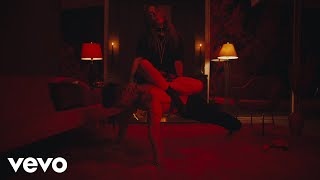
Watch the official bad guy
music video
Who’s Speaking, and to Whom?
The narrator speaks straight to a partner who fancies himself a tough guy
. She sets boundaries and presses buttons, making him react more than act. The voice is first person, bold and ironic. It’s not vulnerability; it’s theater.
Lines about control sharpen this. When she says I like it when you take control
, the power still sits with her. She “lets” him play a role, which reveals the trick: consent and authorship remain with the narrator. Interpretation: It’s a satire of dominance where the seemingly submissive person writes the script.
Scenes and Symbols That Do the Work
The song opens with a white‑to‑red visual and sneaky movement—think stealth and aftermath rather than a crime in progress. A detail like tippy toes
paints the “tough guy” as someone who hides his moves, not someone who commands a room. That alone undercuts his bravado.
A later run of jabs—like the “mama” and “girlfriend” lines—pushes social buttons on purpose. When she throws in make your mama sad type
, it’s less confession than trolling. She’s naming clichés that scare people: upsetting parents, flipping hetero norms, shocking the polite crowd. Interpretation: These images function as props in a comedy sketch about moral panic.
The closer image—wearing your cologne
—is quiet but telling. It implies aftermath, possession, and victory in one scent. If the “tough guy” is about show, the narrator is about results.
Production That Sells the Persona
Finneas builds the track like a prank that grows teeth. The mix is stripped: a rubbery bass, clipped drums, finger snaps, and Billie’s dry, up‑close vocal. There’s space in the arrangement, which lets every taunt land. The hook’s percussive syllables and deadpan “duh” feel like eye‑rolls you can dance to.
Then comes the late‑song switch. The beat drops into a heavier, slower groove, as if the joke has descended into a basement. Interpretation: That switch acts like a costume change. The playful villain becomes a looming figure, proving the point that persona is fluid—and that she controls when and how it shifts.
Eilish’s delivery is key. She whispers, giggles, and flattens her tone at will. None of it sounds desperate. It sounds designed, which matches the theme: performance as power. The minimalism keeps the words in front; the bass keeps the body moving. The result is a taunt you can’t ignore.
Alternate Readings and Why It Stuck
- Interpretation: Satire of toxic bravado. The song lampoons bluster, poking at how fragile it is when faced with someone who won’t play along.
- Interpretation: Flirty role‑play. Those control lines can read as consensual games, where choosing the script is the real dominance.
- Interpretation: Persona talk. “Bad guy” is the pop‑star mask, worn knowingly. By claiming the label herself, Eilish keeps critics from using it against her.
Culturally, it clicked because it was catchy, weird, and simple to quote. It topped U.S. charts and helped define Eilish’s era: a new kind of pop star who refuses the old rules. The song’s humor and minimalism made it feel modern, while the character work made it sticky. You can dance to the bit and feel in on the joke.
Disclaimer: Song meanings are subjective; this interpretation draws on lyrics, production choices, and public statements, but listeners may reasonably read it differently.
Sources
- https://genius.com/a/billie-eilish-breaks-down-bad-guy-on-genius-series-verified
- https://www.billboard.com/music/chart-beat/billie-eilish-bad-guy-hot-100-number-one-8529603/
- https://www.grammy.com/news/2020-grammys-complete-winners-nominations-list
- https://www.soundonsound.com/techniques/inside-track-billie-eilish-bad-guy
- https://www.rollingstone.com/music/music-features/billie-eilish-cover-story-798270/