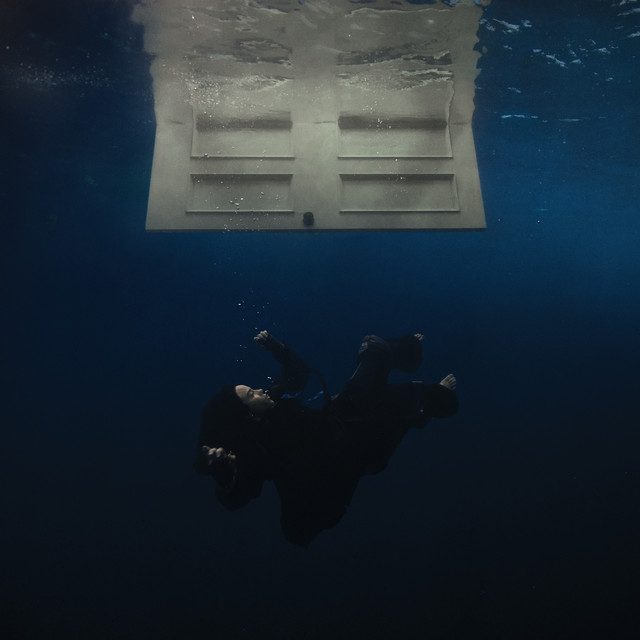
Why Billie Eilish’s “THE GREATEST” Hurts So Much
The core of the heartbreak
The meaning of THE GREATEST Billie Eilish comes down to one painful idea: they gave everything to a relationship that gave far less back. The song is about overextending, staying patient, and then realizing that loyalty alone cannot save a love that is emotionally empty.
"THE GREATEST" - Billie Eilish
To keep you satisfied
Let you get your rest
Loading lyrics...
Unable to load lyrics
We're unable to display the lyrics at this time. Please try again later.
On the surface, the narrator sounds calm and practical. They describe staying up, giving space, and avoiding conflict. But underneath that control is deep loneliness. The song keeps returning to the gap between what they offered and what they received.
That is why the title lands with a sting. When Billie repeats am I the greatest
, it does not sound like bragging. It sounds sarcastic, tired, and wounded. They are praising themself for surviving a situation that should never have required that much sacrifice.
A breakup song with self-awareness
What makes the song stronger than a simple breakup ballad is its self-criticism. The narrator is not only upset at the other person. They are also frustrated with themself for waiting so long.
Early lines show emotional labor: they keep the peace, allow distance, and hide how isolated they feel. Later, that patience starts to look less noble and more costly. The relationship trained them to accept crumbs.
Interpretation: the song is partly about love, but also about the moment a person sees their own pattern clearly. They realize they made all look painless
, which means they hid the damage so well that the other person may never have understood it.
How the verses build the story
The narrative moves in a clear arc:
- They describe care and restraint.
- They admit the relationship left them alone.
- The chorus turns that pain into bitter irony.
- The bridge drops the mask and says the love is still there.
- The ending shifts from self-blame to judgment.
That bridge is the emotional center because it stops speaking in clever phrasing and says the truth plainly.
I loved you
And I still do
Just wanted passion
what I gave you
Those lines matter because they shrink the conflict to its simplest form. They were not asking for perfection. They wanted equal energy, desire, and care.
Why the chorus sounds both proud and broken
The chorus works because it carries two meanings at once. On one level, it lists virtues: patience, admiration, devotion. On another, it sounds like a bitter award speech. The phrase my congratulations
feels almost mocking, as if the narrator is handing themself a trophy for enduring neglect.
That double tone is central to the meaning of THE GREATEST Billie Eilish. They know they were generous. They also know that generosity became self-erasure. By the final section, the song stops asking whether they were enough and starts implying the other person failed the test.
The closing thought sharpens this reversal. Instead of claiming greatness for themself, they suggest the partner could've been the greatest
. In other words, the lost potential is part of the grief. They are mourning not just what happened, but what never grew.
How the sound carries the meaning
Musically, “THE GREATEST” starts small and intimate, then expands into something huge. Reports on the song describe it as folk-pop and arena rock, produced by Finneas for Hit Me Hard and Soft and released on May 17, 2024, as part of Billie’s third album. That genre blend matters.
The first half feels like a private confession. Fingerpicked guitar and soft vocals create the sound of someone trying to stay composed. Then the arrangement opens up with bigger drums, louder guitars, and swelling strings. According to Songfacts, the track grows into an orchestral rocker, with strings by the Attacca Quartet.
That rise mirrors the lyrics. The narrator begins by minimizing their pain, then can no longer contain it. The production does the same thing: it bursts open. Instead of a neat breakup song, it becomes a public emotional collapse.
There is also album context here. As noted in coverage of the song’s album rollout, Billie said “The Greatest” helped unlock the rest of the record creatively. That makes sense. It sounds like a breakthrough, not just in volume, but in honesty.
Artist context and listener response
Billie Eilish and Finneas wrote the song together, and the lyrics fit the more exposed mood of Hit Me Hard and Soft. Critics and fans quickly treated it as one of the album’s emotional peaks. It reached No. 24 on the US Billboard Hot 100 and later earned Platinum certification in the United States, showing that its raw feeling connected widely.
Some listeners read the song as tied to a specific former relationship. That kind of fan speculation exists around many Billie songs, but it is safer and more useful to focus on what is clearly in the text: emotional abandonment, unequal effort, and delayed self-respect.
Interpretation: the reason the song resonates so strongly is that it captures a common modern heartbreak. It is not about dramatic betrayal alone. It is about being quietly underloved for too long.
Final takeaway
In the end, “THE GREATEST” is about the shock of realizing that being patient, loving, and available does not guarantee reciprocity. The song turns that realization into both a lament and a release.
Its power comes from contrast: soft verses against explosive climax, devotion against resentment, and love against self-protection. Billie Eilish does not just sing about heartbreak here. They map the exact second when heartbreak becomes clarity.
Disclaimer: This interpretation is based on the released lyrics, verified song credits, and public commentary. Like all art, the song may support more than one valid reading.






