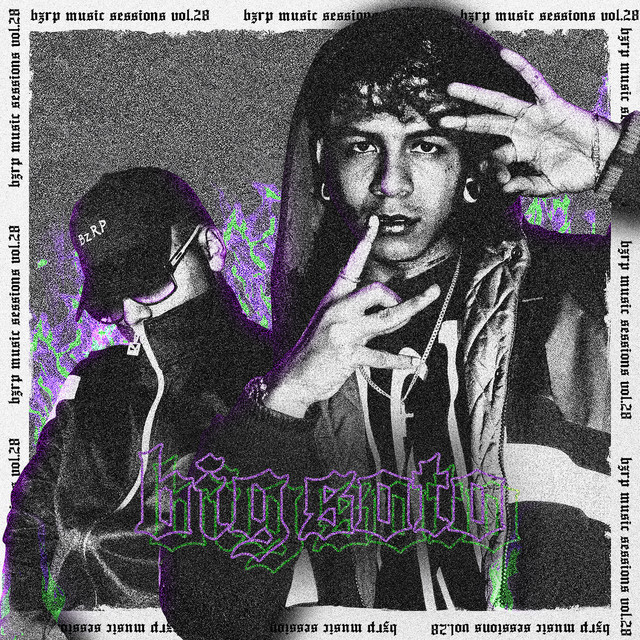
Big Soto and the Sound of Hard-Won Confidence
The meaning of Big Soto: Bzrp Music Sessions, Vol. 28 Bizarrap, Big Soto starts with attitude, but it does not end there. On the surface, the track sounds like a flex-heavy trap performance about money, women, and status. Under that surface, though, it also shows a young artist turning survival into style.
"Big Soto: Bzrp Music Sessions, Vol. 28" - Bizarrap, Big Soto
Estos son relatos de la vida del Soto
Con Biza (Bizarrap)
Loading lyrics...
Unable to load lyrics
We're unable to display the lyrics at this time. Please try again later.
Big Soto, born Gustavo Rafael Guerrero Soto, is a Venezuelan rapper tied closely to the rise of Latin trap in his country, as noted in biographical summaries of his career. Bizarrap’s session format gave artists a stripped but high-impact stage, and this 2020 release reportedly reached more than two million views in its first day according to the research data provided. That context matters because the song feels like a statement of arrival.
More Than Bragging, Less Than Confession
At its core, the song is about self-protection. Big Soto’s narrator moves through the city, thinks about pleasure, and keeps their eyes on success. But they also refuse false intimacy and empty loyalty.
When they say no te juno
, the idea is not just rejection. It signals distance. They do not want forced closeness, and they do not want people acting entitled to their attention. That line fits a larger theme in the song: trust is scarce, and access must be earned.
This is why the emotional tone is colder than the beat may first suggest. The song is not heartbroken. It is guarded.

Watch the official Big Soto: Bzrp Music Sessions, Vol. 28
music video
A Street Diary in Fast Cuts
The lyrics move in short, vivid scenes rather than one long story. They mention wandering through the city, stopping for a drink, remembering the ghetto, and thinking about the future. That creates a diary-like effect.
One key phrase is billete' seguro
. In plain terms, they see money in the future and speak as if success is no longer a dream but a fact already forming. The confidence sounds exaggerated on purpose, which is part of rap’s tradition, but it also reflects ambition built from instability.
Another revealing moment is yo no quiero hablar de amor
. They dismiss romance and turn toward money talk instead. That does not simply mean they are shallow. Interpretation: it suggests they see love as unreliable, while cash and career feel measurable and safer.
The Real Tension: Ambition Versus Vulnerability
A lot of the song’s power comes from what it avoids. The narrator gives details from the past, including harsh memories and early exposure to street life, but they do not linger in pain. They keep moving.
That emotional shortcut matters. When they mention the ghetto and días de terror
, they briefly open a door to fear and hardship, then shut it fast with another boast. The pattern implies a person who has learned to survive by never staying soft for long.
There is also a striking line about wanting to be a doctor but ending up a rapper. That moment widens the song beyond simple trap posturing. It hints at the gap between youthful plans and real-life conditions. For many listeners, especially in the United States and across Latin America, that detail makes the song feel human.
Why the Hook Hits So Hard
The repeated chorus is simple, but that is exactly why it works. It returns to the same city route, the same routine, and the same confidence. Repetition turns daily motion into identity.
Voy por las calles de la city fumándome uno
Paro en la tienda por un vino
Even here, the meaning is bigger than the image. They are not just describing errands. They are presenting control over space and mood. The city becomes a stage where they perform ease, even if the verses hint that ease had to be earned.
Bizarrap’s Beat Keeps It Cool
Bizarrap’s role in the song is crucial. Their sessions often work by giving the guest a focused beat that leaves room for voice, rhythm, and personality. Here, the production supports Big Soto with a lean trap backdrop that feels smooth, unhurried, and slightly hazy.
That matters because the lyrics balance aggression with calm. The beat does not explode with drama. Instead, it glides. This makes lines about disappearance, pleasure, and money sound effortless rather than desperate.
When Big Soto jokes about vanishing like Houdini
, the production helps sell that image. The performance feels slippery, relaxed, and self-assured. In other words, the sound matches the persona.
Venezuelan Identity at the Center
One of the most important parts of the song comes when Big Soto names Venezuela directly. They frame their style as something coming from a younger generation of Venezuelan artists, not as a copy of someone else’s wave.
That gives the track extra weight. Big Soto has been described as one of the notable early Venezuelan artists in Latin trap, and this session helps underline that role. Interpretation: the song is not only about personal confidence. It is also about representing a scene and proving that Venezuelan trap belongs on a larger stage.
Final Take on the Song’s Meaning
So, what is the meaning of Big Soto: Bzrp Music Sessions, Vol. 28 Bizarrap, Big Soto? It is the sound of someone building armor out of swagger. The lyrics focus on money, women, and status, but beneath that is a story about distrust, ambition, and surviving enough to speak with authority.
The song works because it never turns that struggle into a speech. Instead, it lets flashes of the past sit beside jokes, boasts, and cool detachment. That mix makes the track feel true to trap’s style while still carrying personal weight.
This interpretation is based on the lyrics, performance, and available artist context. As with any song, listeners may hear different meanings in the same lines.








