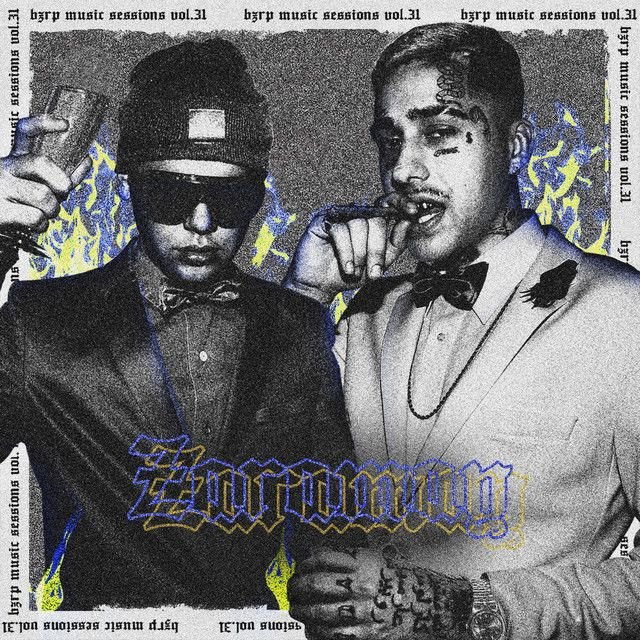
How Zaramay Turns Trap Into a Survival Story
The meaning of Zaramay: Bzrp Music Sessions, Vol. 31 Bizarrap, ZARAMAY starts with a classic trap setup: success, pressure, enemies, and proof of authenticity. But under the flexing, this song is really about someone trying to turn a dangerous past into a lasting future.
"Zaramay: Bzrp Music Sessions, Vol. 31" - Bizarrap, ZARAMAY
Yeah (El Jefe del Maleanteo)
Zaramay, baby, huh (¿oíste?)
Loading lyrics...
Unable to load lyrics
We're unable to display the lyrics at this time. Please try again later.
In Bizarrap’s session format, the guest artist usually gets a clean stage to define who they are. Here, Zaramay uses that space to build a self-portrait: a rapper who came from street struggle, expects betrayal, and sees fame as both reward and risk.
The Core Message Hiding Beneath the Bragging
On the surface, the song sounds like pure victory music. Zaramay talks about shopping, cars, women, jewelry, and public attention. When he says me piden foto'
, the idea is not just celebrity. It shows a shift from anonymity to visibility.
That same pattern runs through the hook. He moves from the neighborhood to dream destinations and imagines changing one kind of weight for another kind of status. The phrase los kilogramo' por los Grammy
is the clearest summary of the song’s arc: turning street-coded survival into mainstream success.
Interpretation: the bragging matters because it is defensive as much as celebratory. They are not only saying they made it. They are proving they deserved to.

Watch the official Zaramay: Bzrp Music Sessions, Vol. 31
music video
A Voice Built on Pressure, Not Comfort
Zaramay’s narrator speaks like someone who never fully relaxes. Even in lines about luxury, the song keeps returning to danger, envy, prison, betrayal, and death. He suggests people expected him to end badly, whether through addiction, jail, or violence.
That history gives the flexes more weight. When he frames himself as still standing while others doubted him, the song becomes a rebuttal. He is answering critics, rivals, and anyone who thought he was temporary.
Success Still Sounds Unsafe
One of the strongest details comes when he imagines that tomorrow he could be dead and become just another face on a wall. That idea changes the mood. The track is not simply about enjoying fame; it is about knowing fame does not erase mortality.
Interpretation: this tension is central to the meaning. Their wealth is real, but so is the fear that it can disappear fast.
The Hook Turns Ambition Into a Map
The chorus is catchy because it works like a map of transformation. It starts with everyday consumption, moves into speed and movement, then opens toward bigger places and bigger dreams. The phrase hoy estoy en el hood
sets up that contrast directly.
From there, the song pushes upward. The local becomes global. The hustler becomes a star. The repeated hook matters because it keeps translating one life into another without pretending the first life is gone.
Hoy estoy en el hood
mañana puede que en Miami
That two-line movement captures the whole emotional engine of the track: aspiration mixed with instability.
Street Authenticity Is the Real Battleground
A major theme in the song is authenticity. Zaramay argues that many rappers use trap as a sound, while he treats it as lived experience. He draws a line between image and biography, suggesting others copied styles while he earned his voice through reality.
That is why the attacks on other rappers matter. They are not random insults. They support his larger claim that he represents a more credible version of trap. When he says others do not really live it, he is defending his place in the genre.
This also gives the session a regional edge. He pushes back against the idea that Latin trap must imitate the United States. Instead, he insists his own street experience already contains enough material and authority.
Bizarrap’s Beat Makes the Message Hit Harder
Bizarrap, born Gonzalo Julián Conde, built his reputation through the viral Music Sessions series, which helped define a new era of Argentine urban music. Zaramay’s session, commonly credited to Bizarrap and Zaramay, was written by Agustin Carlos Roberto Garcia and Gonzalo Julian Conde, according to the credits provided by the user context.
The production is sharp and minimal in the way many Bizarrap sessions are. There is enough low-end force to feel threatening, but the beat never gets too crowded. That leaves room for Zaramay’s delivery to do the real work.
He attacks the instrumental with clipped phrases, sudden emphasis, and a tone that feels half boast, half warning. The beat supports themes of dominance and tension rather than melody or emotion in a soft sense.
Why the Sound Matters
- The hard trap rhythm suggests control and aggression.
- The spacious mix makes each threat or flex land clearly.
- The repetitive hook mirrors obsession: money, respect, escape.
In other words, the production does not soften his story. It frames it like testimony from someone still in survival mode.
Symbols of Wealth, Motion, and Betrayal
The song keeps circling a few images: cars, chains, guns, brands, travel, and public recognition. These are standard trap symbols, but here they carry a specific function. They show mobility. He is no longer stuck.
At the same time, the imagery of traitors, ghosts, and fake allies suggests success attracts danger. The phrase de fantasma' soy creyente
plays like a joke, but it also points to fake people and hidden enemies.
Another key line is fama no significa ser respetado
. That is one of the song’s smartest ideas. Celebrity is visible, but respect must still be won. For Zaramay, that gap explains why he keeps sounding confrontational even after success.
Final Take on the Song’s Meaning
The meaning of Zaramay: Bzrp Music Sessions, Vol. 31 Bizarrap, ZARAMAY is not just that they became successful. It is that success is being used to rewrite a fate that once looked violent, limited, or disposable.
Interpretation: the song works best as a survival anthem disguised as a flex anthem. It celebrates money and recognition, but its real heartbeat is proving that they made it out without forgetting what the climb cost.
Disclaimer: This interpretation is based on the lyrics provided, the song’s performance style, and publicly known artist context. Song meaning can vary from listener to listener.








