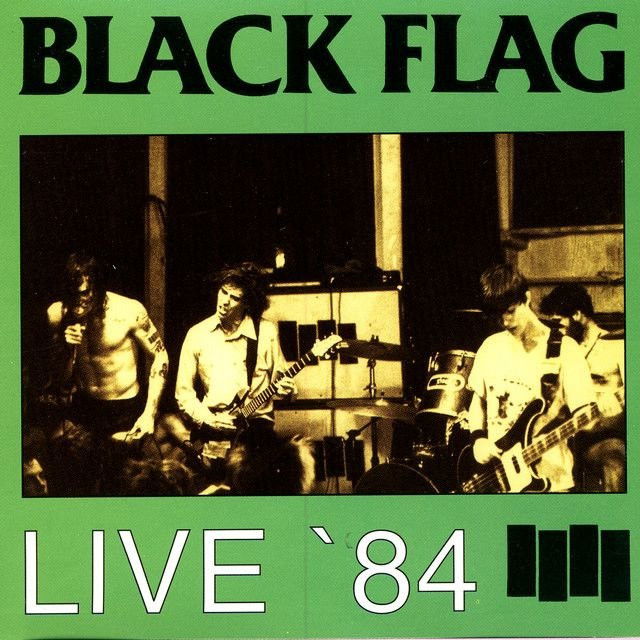
My War by Black Flag
Why the meaning of My War Black Flag still hits
The meaning of My War Black Flag starts with a simple but brutal feeling: the belief that even supposed allies cannot be trusted. On the surface, the song sounds like a direct attack on fake friends. Under that, it feels like a portrait of a mind under pressure, where every relationship starts to look hostile.
"My War" - Black Flag
You say that you're my friend
But you're one of them
Loading lyrics...
Unable to load lyrics
We're unable to display the lyrics at this time. Please try again later.
Black Flag released "My War" as the title track of their second studio album, My War, in March 1984. The record came during a difficult period marked by legal trouble, lineup shifts, and a growing break from hardcore expectations. The album is widely documented as a turning point for the band and for aggressive underground music more broadly Wikipedia, Pitchfork.

Watch the official My War
music video
A narrator who sees enemies everywhere
At the center of the song is a speaker who feels surrounded. They hear repeated claims of friendship, but reject them. The key refrain, one of them
, turns the song into a dividing line between "me" and everyone else.
That is why the track feels bigger than a normal argument. The narrator is not just disappointed. They seem trapped in total suspicion. When they hear you say that you're my friend
, they do not take comfort from it. They hear manipulation.
Interpretation: This makes the song less about one bad relationship and more about social alienation itself. The world becomes a camp of insiders, phonies, or oppressors, and the singer stands alone against it.
The title turns conflict into identity
The phrase my war
matters because it makes the conflict personal and constant. This is not a single fight that starts and ends. It is a state of being.
That title also suggests ownership. The war belongs to the narrator because they carry it everywhere, whether or not other people even understand it. In that sense, the song captures a classic Black Flag theme: a person cut off from normal belonging, pushing back against a crowd that feels false or cruel.
There is also a painful line of self-doubt in the song. The narrator admits they may not even know what friendship is. That gives the track a deeper edge. Their anger does not come from confidence. It comes from confusion and damage.
When paranoia becomes the real subject
Midway through, the song shifts from accusation toward mental overload. The narrator describes a thought that lives in their brain and drives them mad. That move is important. It suggests the war is not only external.
The most disturbing section introduces violent fantasy. Instead of treating that as a literal plan, the song presents it as a symptom of total emotional collapse. The speaker feels backed into such an extreme state that destruction starts to feel imaginable.
It lives in my brain
It drives me insane
Those lines are short, but they say a lot. The enemy is now both outside and inside. The mind keeps replaying injury until rage becomes obsession.
Interpretation: This is one reason the song still feels intense. It does not glamorize stability or offer a clean release. It shows how betrayal, resentment, and isolation can twist into a private war of thought.
Sound that punches like a warning siren
Musically, "My War" sits on the album’s faster first half, which continues Black Flag’s hardcore attack while allowing more rhythmic complexity and guitar exploration Wikipedia. Even before the LP drops into the slower, doom-heavy second side, the title track already sounds harsher and more inward than a simple slam song.
The band on the album was essentially a trio: Henry Rollins on vocals, Greg Ginn on guitar and bass under the name Dale Nixon, and Bill Stevenson on drums, with production credited to Ginn, Stevenson, and Spot Wikipedia. That lean setup helps explain the dry, stripped, tense sound that critics have noted Pitchfork.
Rollins delivers the words like a man trying to force truth out of a hostile room. Ginn’s guitar is jagged and unstable, never soothing the listener. Stevenson’s drumming keeps pressure on the track without making it feel loose or chaotic. Together, they make the accusation feel relentless.
Artist context sharpens the song’s meaning
Context matters here. Black Flag were coming out of legal and industry battles that stalled releases and intensified their outsider identity Wikipedia, Pitchfork. At the same time, Greg Ginn was openly resistant to turning the band into a formula. As Pitchfork quotes him, I didn't want to find a formula
.
That attitude helps explain why "My War" feels so hostile toward false belonging. The song fits a band that no longer trusted scenes, categories, or easy alliances. Even though Chuck Dukowski wrote the track, it lands perfectly inside that larger Black Flag worldview.
Why the song mattered beyond punk
The album My War divided listeners at first, especially because its second side slowed hardcore into something heavier and more oppressive. Over time, though, the record became hugely influential on post-hardcore, sludge, and grunge Wikipedia, Pitchfork.
The title track matters in that story because it states the album’s emotional thesis early. Before the long dirges arrive, "My War" already frames aggression as psychic burden, not just speed or rebellion. It is about being cut off, disbelieving everyone, and carrying conflict like a permanent condition.
Final takeaway on the song's core message
The meaning of My War Black Flag is the feeling of living under siege, especially when trust has collapsed. Its narrator sees betrayal everywhere, but the song also hints that this outlook is eating them alive.
That tension is what gives "My War" its power. It is both a social attack and a psychological confession.
Interpretation disclaimer: Song meanings are not fixed. This reading is based on the lyrics, the album’s context, and documented history around Black Flag, but listeners may hear the song differently.








