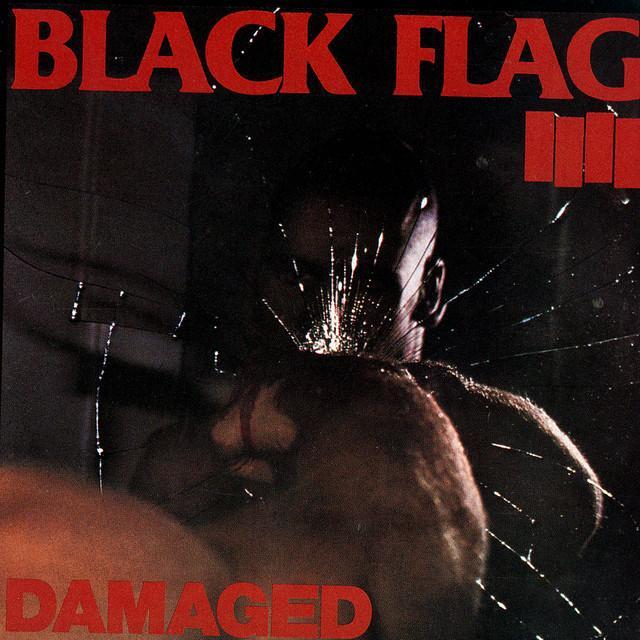
Police Story by Black Flag
The meaning of Police Story Black Flag starts with rage, but it lands on something deeper: a picture of life inside a no-win clash with authority.
"Police Story" - Black Flag
Provided by LyricFindFucking city is run by pigs
They take the rights away from all the kids
Understand that we're fighting a war we can't winLoading...Loading lyrics...
Unable to load lyrics
We're unable to display the lyrics at this time. Please try again later.
Why This Song Still Hits Hard
Black Flag emerged from Hermosa Beach, California, in the late 1970s and became one of the defining early hardcore bands, known for speed, confrontation, and a fierce DIY ethic. Greg Ginn founded the group, wrote much of its early material, and helped build SST Records around that scene. In accounts of the band’s rise, punk shows in Los Angeles were often treated as threats, and Black Flag’s gigs were regularly targeted by police pressure and shutdowns.
That context matters when looking at the meaning of Police Story Black Flag. The song does not sound like abstract politics. It sounds like lived experience turned into a blunt, fast, violent burst. The speaker does not describe authority as distant. They describe it as physical, immediate, and always present.
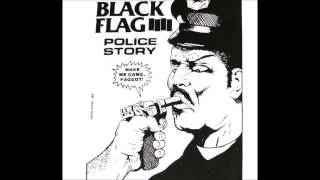
Watch the official Police Story
music video
The Core Message Beneath the Shouting
At its heart, the song is about a young person who sees police not as protectors but as an occupying force. The opening idea paints a city controlled by enemies, and the lyric run by pigs
makes the hostility impossible to miss. This is not careful reform language. It is street-level fury.
Just as important, the song says rights are being stripped away from young people. That expands the subject beyond one bad encounter. It suggests a whole social order where teenagers, punks, and outsiders are treated as suspects first. When the speaker says they are fighting a war we can’t win
, the song frames the conflict as permanent and uneven.
Interpretation: The track is less a policy argument than a portrait of alienation. It shows what happens when a person believes the system has already decided who they are.
A Narrative of Escalation, Not Resolution
From street encounter to courtroom
The lyrics move in a rough sequence:
- The speaker sees the police as hostile from the start.
- A public act of disrespect triggers violence.
- Defiance leads to arrest and confinement.
- The court system appears as another stage of punishment.
That structure is simple, but it matters. The song keeps shrinking the space where freedom exists. First the street is unsafe. Then jail appears. Then court, bail, and possible time behind bars follow. Even a line like walk down the street
carries tension, because ordinary movement becomes the start of danger.
The phrase they put me away
is especially important. It reduces the justice process to raw power. There is no sense of fairness or nuance. There is only removal.
The Chorus as the Song’s Emotional Center
The repeated claim that they hate us, we hate them
is the song’s emotional core. It is ugly on purpose. There is no dream of mutual understanding here. Each side sees the other as a threat, and the repetition makes that cycle feel locked in place.
That is why the song’s most memorable refrain is not really triumphant. Even when the delivery sounds explosive, the words admit defeat. The group is not winning. They know it. The song’s power comes from saying that truth out loud.
Understand we’re fighting a war we can’t win
They hate us, we hate them
This short hook sums up the whole worldview: permanent conflict, mutual contempt, and no realistic exit.
What the Song Says About Punk and Policing
Black Flag’s history gives the song extra weight. The band became central to the American hardcore movement, and their touring helped build an underground network outside the mainstream music industry. Reports about the group’s early years regularly note police interference around punk shows and the wider Los Angeles scene.
That means Police Story can be heard as both personal and collective. The “I” in the verses often feels like a stand-in for a larger “we.” The singer is one body in a broader youth culture that feels watched, controlled, and punished.
Interpretation: The song is not only about one cop hitting one kid. It is about a subculture learning to see itself as being under siege.
How the Sound Carries the Meaning
Hardcore punk works here because subtlety would weaken the point. The song is short, fast, and aggressive, built to feel like impact rather than reflection. The guitars slash forward, the drums push without much breathing room, and the vocal delivery sounds closer to accusation than conversation.
That style fits what Black Flag represented in their early period: raw simplicity mixed with attack and dissonance. The music gives the lyrics a physical form. Instead of calmly explaining abuse of power, the track makes listeners feel pressure, panic, and retaliation.
The roughness also matters. A cleaner production might have softened the message. Here, the bare sound suggests a world with no protective layer between emotion and action.
A Bigger Meaning Behind the Rage
It is easy to hear Police Story as only an anti-police song. It is that, clearly. But the meaning of Police Story Black Flag also includes a broader feeling of being young and already marked as guilty.
The speaker curses, lashes out, and admits criminal behavior, which keeps the song from pretending innocence. That complexity is important. The track does not say the narrator is perfect. It says the system is already hostile, and the response to that hostility becomes part of the trap.
In that sense, the song is about mutual escalation. Authority uses force. The target responds with contempt. The result is a cycle where each side confirms the worst thing it believes about the other.
Why It Endures
Police Story lasts because it is so direct. It captures a moment when punk stopped being just style and became a confrontation with institutions. For listeners in the United States, its anger still feels recognizable whenever debates about policing, youth culture, and civil rights return to the surface.
Black Flag turned that tension into one of hardcore’s purest statements: short, ugly, memorable, and impossible to mistake.
Disclaimer: This article offers interpretation based on the song’s lyrics, performance, and documented historical context. Meaning can vary from listener to listener.








