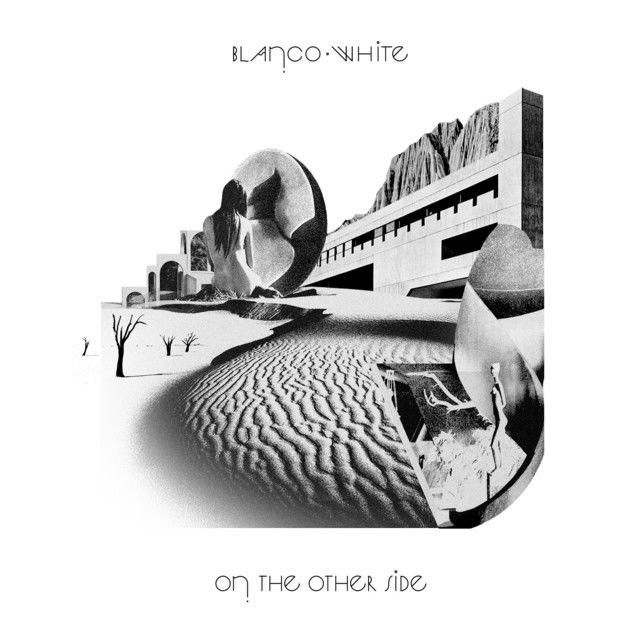
Why "Olalla" Feels Like a Vanishing World
The meaning of Olalla Blanco White starts with a simple contrast: a quiet, beautiful place and the pull of somewhere else. In this song, Blanco White turns that contrast into something larger than a travel image. They use it to explore abandonment, hope, and the emotional cost of change.
"Olalla" - Blanco White
Rest your eyes and stay in the shade
You were hiding over the hill
Loading lyrics...
Unable to load lyrics
We're unable to display the lyrics at this time. Please try again later.
Factually, Blanco White is the project of Josh Edwards, and they described “Olalla” as a song about the disappearing towns and villages of Southern Europe. They said these places can be “staggeringly beautiful” but are slowly being abandoned as jobs and communities move elsewhere, while the song still aims to feel uplifting. That explanation comes from a 2020 track-by-track feature on On The Other Side by American Songwriter (https://americansongwriter.com/blanco-white-on-the-other-side-album-background).
A Village Song That Thinks Bigger
At its core, “Olalla” is about migration and loss. The opening paints a still, shaded place, hidden away and almost untouched. Even before the song explains anything directly, it frames Olalla as somewhere fragile and half-removed from modern life.
That is why the title matters so much. More than a name
suggests Olalla is not just a map point. It carries memory, identity, and feeling. In the song, the place becomes a symbol for all the small communities that hold history but struggle to hold people.
Interpretation: They seem to treat Olalla as both a real village and an emotional homeland. It is somewhere someone can leave physically, yet never fully leave behind.
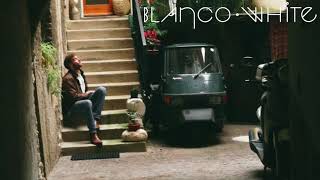
Watch the official Olalla
music video
From Shelter to Motion
One of the strongest ideas in the lyrics is movement. Early images suggest rest and cover, like staying in the shade or hiding over a hill. Later, the song turns outward toward roads and cities. That shift is the whole drama.
The repeated phrase city lights
works as a symbol of promise. It points to jobs, modern life, and the future. But in this song, those lights are not purely exciting. They also imply distance from local roots, from slowness, and from community.
There is also tension in the line about the road ending. If someone leaves Olalla in search of a better life, what happens if that path does not deliver? The lyric asks that question gently, not angrily. It sounds less like protest and more like worry.
The Chorus Holds the Emotional Argument
The chorus keeps circling back to belief. The phrase better times
sounds hopeful, but it is important that this hope comes from “somebody told me.” That wording creates a gap between promise and certainty.
In other words, the song does not fully trust the story of progress, even while it understands why people follow it. Many people leave villages because they have to, not because they want to. “Olalla” captures that sadness without blaming anyone.
Interpretation: The chorus may be asking whether hope is enough when a place is emptying out. Belief becomes both a comfort and a survival tool.
A Borderline Song About Thresholds
Late in the song, Olalla appears on the borderline
. That phrase widens the meaning. This is no longer just about one village. It becomes a song about thresholds: rural and urban, past and future, staying and leaving.
The line about a world down on its knees
for better times adds a broader social feeling. It hints at economic pressure and collective uncertainty. The song never gets specific about policy or history, but it does not need to. The emotional truth is clear: many communities are living through a slow kind of disappearance.
That is what makes the track feel timely. Even without naming countries or statistics, it speaks to a familiar pattern across parts of Europe and beyond: younger people move away, older residents remain, and beauty alone cannot keep a place alive.
How Blanco White’s Sound Deepens the Meaning
The music matters a lot to the meaning of Olalla Blanco White. Blanco White is known for acoustic textures and a style shaped by English, Spanish, and Latin American influences, often aiming for music that feels transportive, as Edwards discussed in the same American Songwriter feature (https://americansongwriter.com/blanco-white-on-the-other-side-album-background).
In “Olalla,” the arrangement supports the lyrics by sounding spacious and gentle rather than dramatic. That gives the song a reflective mood. It feels like looking at a landscape while knowing it may not stay the same.
The vocal delivery also helps. They sing with calm restraint, which keeps the emotion from tipping into sentimentality. Instead of forcing grief, the performance lets loss arrive slowly. That makes the song feel more human.
Two Strong Ways to Read the Lyrics
There is the factual reading and then there are the possible deeper readings.
Reading One: A lament for rural disappearance
This is the clearest interpretation and the one closest to the artist’s own explanation. Olalla stands for villages being left behind as life moves elsewhere.
Reading Two: A personal passage into uncertainty
The song can also be heard as an inner journey. Olalla may represent safety, innocence, or an earlier self. The road and the city suggest adulthood, ambition, and the risk that comes with choosing change.
Both readings work because the song stays open. It is specific enough to feel grounded and broad enough to invite personal connection.
Why the Song Stays Uplifting
What keeps “Olalla” from becoming hopeless is its final emotional gesture. Even with fear, cold, and uncertainty, the song keeps returning to belief. It does not deny loss. It simply refuses to let loss have the last word.
That balance is the reason the track lingers. It mourns what disappears, but it also honors the beauty that made it matter in the first place.
Disclaimer: This article offers a mixed reading of confirmed artist context and informed interpretation. Song meaning can remain open, and different listeners may hear “Olalla” in different ways.








