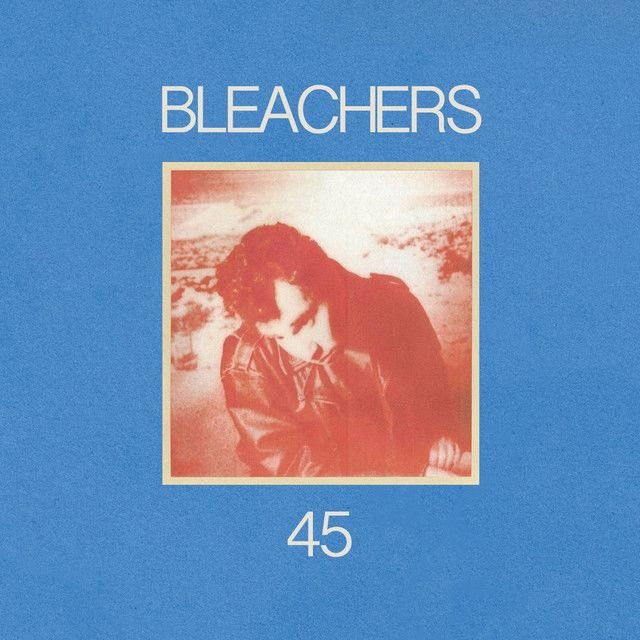
45 by Bleachers: Love Stuck in Rotation
The meaning of 45 Bleachers comes into focus through a mix of longing, memory, and stubborn loyalty. The song sounds big and open, but its emotional center is intimate: someone is trying to understand why they still feel bound to a person who now feels both close and unreachable.
"45" - Bleachers
Consider drinkin' in the yard
Hang the words of a perfect stranger
Loading lyrics...
Unable to load lyrics
We're unable to display the lyrics at this time. Please try again later.
Bleachers, the project led by Jack Antonoff, often turns nostalgia into something physical. In “45,” old records, buses, bridges, bedrooms, and shadows become signs of a life in motion that still cannot outrun the past. The result is a song about love after damage—less a neat breakup story than a portrait of attachment that keeps spinning.
The Heart of the Song: Split Between Love and Loss
At the most basic level, the narrator feels divided. Early in the song, they admit they are torn exactly into two pieces
. That line matters because it frames everything that follows: one side still wants connection, while the other has gone numb or dark.
That split creates the song’s main tension. The narrator is jealous, self-questioning, and exhausted, yet they cannot fully detach. Even when they compare other people’s blessings to something growing next door, the point is not simple envy. It is the feeling that happiness seems easier for everyone else.
Interpretation: this is a song about emotional limbo. They are not fully in the relationship, but they are not free of it either.

Watch the official 45
music video
Why the Chorus Matters So Much
The chorus gives the song its emotional thesis. When the narrator says old 45s
are spinnin' out of time
, they connect love to vinyl records, repetition, and memory. A 45 rpm single is small, classic, and built to replay. That image suggests a past that keeps returning, even when it no longer fits the present.
The most striking line in the chorus is I'm still on your side
. It is not triumphant. It sounds weary, chosen, and maybe even a little tragic. The narrator is not saying everything is fixed. They are saying loyalty remains after certainty is gone.
I'm still inside
Your fast machine
Old 45s
Spinnin' out of time
Paraphrased, the chorus suggests they are still caught in the other person’s momentum, still carrying the emotional force of what they shared, and still unable to step outside that orbit.
The Story Inside the Verses
The verses move like snapshots rather than a straight plot. That style fits the song’s theme, because memory rarely arrives in order.
One set of images feels domestic and personal: a park, a yard, hallways, a bedroom. Another feels transitional: a bus ride, a bridge, an endless road. Together, they show someone moving through ordinary spaces while privately carrying unresolved grief.
When the narrator says they sold their bedroom from their home, the line sounds like more than logistics. It suggests severing ties with a former self. A bedroom is where identity lives; getting rid of it implies that even home is no longer stable.
Later, the song describes two people as strangers who know each other best. That contradiction is one of the sharpest ideas in the track. It captures how intimacy can survive after comfort has died. Someone can remain deeply familiar while feeling emotionally unreachable.
Symbols That Unlock the Meaning of 45 Bleachers
Records, Roads, and the Past
The title image is the clearest symbol. Old records stand for memory, ritual, and replay. They also carry a faint sense of fragility. Records can skip, wear down, and fall out of fashion, just like relationships.
Road imagery adds another layer. Bridges, buses, and coastlines point to transition, but not clean escape. The narrator keeps moving, yet the past rides with them.
Shadows and Survival
Near the end, the song turns toward the image of a shadow. This is one of its most mature moments. Instead of wanting only the bright version of love, the narrator imagines learning to love the darker, harder parts too.
Interpretation: loving someone’s shadow means accepting history, damage, and the parts of a relationship that cannot be romanticized.
How the Sound Carries the Emotion
Bleachers songs are known for mixing large-scale pop-rock with emotional specificity, a style tied closely to Jack Antonoff’s writing and production work across Bleachers and outside projects. In “45,” the sound supports the lyrics by making private pain feel widescreen.
The arrangement leans on steady drums, glowing synth textures, and a heartland-rock lift that recalls Antonoff’s usual blend of retro pop and Springsteen-inspired sweep. That matters because the song is full of old-media images and backward glances. The production makes nostalgia feel lived in, not decorative.
The vocal delivery also helps. Rather than sounding polished and distant, it feels urgent and rough around the edges. That keeps the repeated loyalty of the chorus from sounding easy. It sounds earned, and maybe costly.
Two Strong Ways to Read the Song
There is one clear reading and one slightly broader one.
- Romantic reading: the song is about loving someone after the relationship has frayed, with both people still sharing memory but no longer sharing peace.
- Memory reading: the song is about trying to stay loyal to a version of life shaped by youth, music, and place, even while time keeps taking it apart.
Both readings fit because the song keeps personal details grounded in bigger symbols. The East Coast, the 1990s, and old records all make the private story feel cultural as well as romantic.
Why “45” Hits So Hard
The meaning of 45 Bleachers lies in that painful mix of devotion and drift. It is about being unable to fully return to love, yet unable to betray it either. The narrator is bruised, self-aware, and still loyal.
That is why the song lingers. It understands that some relationships do not end in a clean break. They keep turning like a record—worn, beautiful, and slightly out of time.
Disclaimer: This interpretation is based on the song’s lyrics, imagery, and Bleachers’ artistic style. As with any song, listeners may hear meanings that differ from this reading.








