Why "Dammit" Still Nails Growing Up
The meaning of Dammit blink-182 comes down to one sharp idea: heartbreak can feel petty, funny, humiliating, and life-changing at the same time. blink-182 turned that mix into a pop-punk classic, using speed, sarcasm, and a huge chorus to show what it feels like when a relationship ends before someone is ready.
"Dammit" - blink-182
I won't try to argue or hold it against you
I know that you're leaving, you must have your reasons
Loading lyrics...
Unable to load lyrics
We're unable to display the lyrics at this time. Please try again later.
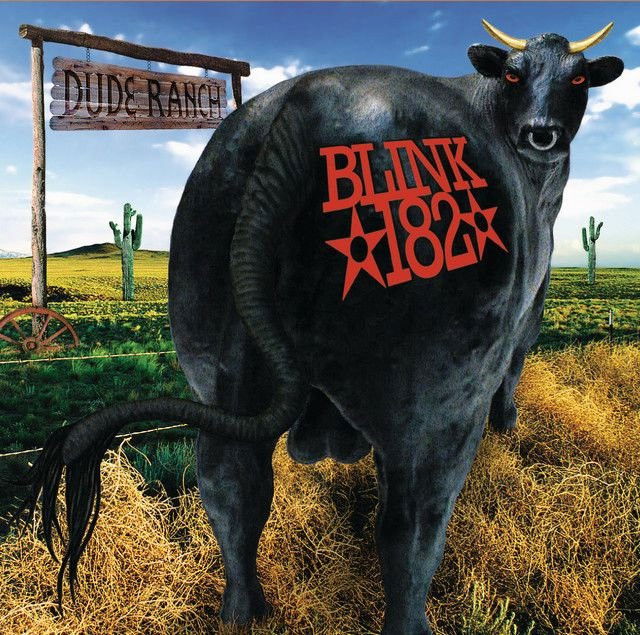
Released on Dude Ranch in 1997, "Dammit" became the band's breakout single and helped push them from underground punk circles toward mainstream attention, as noted in band and label histories from MCA/Geffen archives and reference databases like AllMusic. The track is credited to Mark Hoppus, Tom DeLonge, and Scott Raynor.
The Breakup Is Simple, but the Feelings Are Not
At the story level, the song is about someone being left behind. They do not beg for the relationship back. Instead, they act like they understand, even while the details keep stinging. Early lines suggest forced calm, then the emotions crack open.
That is why the opening feels so effective. The narrator tries to sound mature, but the song quickly fills with resentment, confusion, and gossip. A phrase like "you must have your reasons"
sounds accepting on the surface, yet the verses imply they are still replaying every detail.
Interpretation: This tension is the heart of the song. It is not really about peaceful closure. It is about pretending to have closure before they actually do.

Watch the official Dammit
music video
How the Verses Show Embarrassment and Loss
One reason the song still connects is its attention to awkward details. The narrator notices old routines, facial expressions, rumors, timing, and social embarrassment. They are not mourning in a grand, poetic way. They are spiraling through ordinary post-breakup thoughts.
The phrase "a day late, a buck short"
captures that feeling of always being slightly behind life. They do not just feel dumped; they feel inadequate. Then the song pivots into "losing and failing"
, which makes the breakup sound like a wider personal collapse.
This is where blink-182's writing is sharper than it first appears. The song uses blunt language and jokes, but beneath that is a real fear: if they could not keep this relationship together, what else are they not ready for?
Why the Chorus Became the Real Message
The chorus expands the story beyond romance. At first, it sounds like the narrator will lean on a friend for support. But then comes the social emptiness: "everybody's gone"
. That line turns private heartbreak into something bigger—alienation.
Then the hook lands: "I guess this is growing up"
. It is one of pop-punk's most memorable refrains because it is both sincere and sarcastic. They are not celebrating maturity. They are shrugging at it.
Interpretation: The chorus suggests that adulthood arrives as disappointment before wisdom. Growing up, in this song, means realizing that people leave, friends are unavailable, and there is no clean script for handling it.
A Small Story With a Bigger Timeline
The narrative moves in a clear sequence:
- A breakup has either happened or is happening.
- The narrator replays clues and humiliations.
- They look for comfort and find isolation instead.
- They imagine future awkward encounters.
- They call that whole painful process growing up.
That imagined future matters a lot. The movie-theater scene is painfully normal: two exes see each other, act polite, and hide the damage. The song understands that breakups do not end when people separate. They continue in public, in memory, and in the strange performance of being "fine."
The Sound Turns Frustration Into Motion
Musically, "Dammit" says as much as the lyrics do. The song runs on fast drumming, bright distorted guitars, and a famously punchy bass intro. That arrangement gives the feeling of someone trying to outrun their own thoughts.
Producer Mark Trombino, who worked on Dude Ranch, helped shape that tight, clean-but-urgent sound, a key part of late-1990s Southern California pop-punk documented by sources such as Discogs and AllMusic. The playing is energetic, but not sloppy. That matters because the song is about emotional chaos delivered in a controlled, catchy form.
Mark Hoppus's vocal also strengthens the meaning of Dammit blink-182. He does not sound crushed in a dramatic way. He sounds annoyed, wounded, and trying to laugh it off. That balance keeps the song relatable. Many people do not process heartbreak with grand speeches; they process it with sarcasm and momentum.
Why It Connected So Deeply With Young Listeners
"Dammit" arrived when pop-punk was becoming a major youth language in the United States. Its appeal was not just its hook. It spoke plainly about a common teenage and early-adult shock: realizing that relationships are messy, and emotional maturity usually comes after mistakes, not before.
The song also avoids pretending that pain makes people noble. The narrator is immature in believable ways. They gossip, fantasize, self-pity, and posture. That honesty is part of why the track endured.
Another Way to Read It
Interpretation: Although it is clearly a breakup song, it can also be heard as a song about social transition. Friends disappear, routines change, and the old version of life no longer holds together. Romance is the trigger, but growing apart in general may be the deeper subject.
Final Take on "Dammit"
The meaning of Dammit blink-182 is not complicated, but it is emotionally precise. It captures the moment when someone realizes that heartbreak is not just sadness; it is awkwardness, ego, memory, loneliness, and reluctant maturity all at once.
That is why the song still works. It does not claim growing up is inspiring. It suggests that sometimes growing up is just surviving the mess and calling it a lesson.
Disclaimer: This interpretation is based on the song's lyrics, performance, and known release context. Like most songs, "Dammit" can support more than one reasonable reading.









