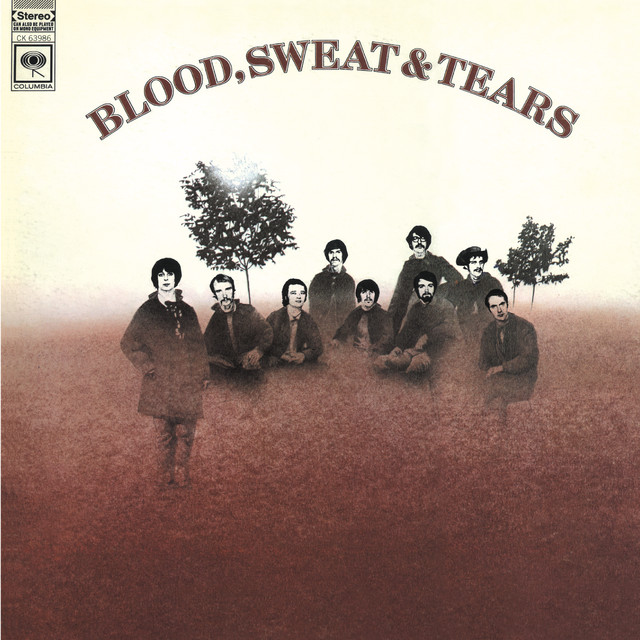
Spinning Wheel by Blood, Sweat & Tears
Why This Song Still Goes Around
The meaning of Spinning Wheel Blood, Sweat & Tears starts with a simple idea: life moves in cycles. Good times fade, trouble passes, and people who feel stuck may not stay stuck forever. The song turns that message into a bright, punchy hit, using carnival-like images and a famous horn-driven arrangement to make serious advice sound playful instead of heavy.
"Spinning Wheel" - Blood, Sweat & Tears
Spinnin' wheel got to go 'round
Talkin' 'bout your troubles it's a cryin' sin
Loading lyrics...
Unable to load lyrics
We're unable to display the lyrics at this time. Please try again later.
Written by David Clayton-Thomas and recorded for the band's self-titled album, the song was released as a single in 1969 and reached No. 2 on the Billboard Hot 100, according to Wikipedia. That success matters because it shows how a reflective lyric connected with a mass audience during a tense cultural moment.

Watch the official Spinning Wheel
music video
The Core Message Beneath the Carousel
At its heart, the song tells listeners not to get trapped by highs, lows, or endless worry. The opening idea, What goes up must come down
, frames the whole track. They present life as motion, not a fixed state.
That means hardship is real, but it is not final. When the lyric talks about having no money and no home, it sketches a person in trouble. Yet the song does not stay in despair. It keeps returning to movement, change, and the chance to let go.
Interpretation: This is less a story about one person than a piece of advice for anyone overwhelmed by events. The wheel keeps turning, so panic is not the answer.
A Gentle Warning Against Self-Defeat
One of the song's smartest moves is the way it challenges people who cling to their troubles. The lyric points out that talking about problems can become its own habit. In other words, pain is one thing; living inside it forever is another.
The repeated image of the wheel suggests that some people help keep their own suffering in motion. When the song says spinnin' wheel all alone
, it paints isolation as part of that cycle. They are not being cruel. They are warning that loneliness can deepen when a person cannot stop circling the same thoughts.
This is why the chorus feels like advice from the outside. It pushes the listener to step back, breathe, and stop feeding the loop.
The Symbols That Carry the Meaning
The song is full of images that sound surreal at first but become clear when read together.
The wheel
The wheel is the central metaphor. It stands for time, fortune, emotional patterns, and the way events come back around. David Clayton-Thomas later said the song came from a period when psychedelic imagery filled pop lyrics, but his point was simple: everything comes full circle. Songfacts quotes him saying people needed to “lighten up” because things would come around.
The painted pony
The phrase painted pony
gives the song its carnival feel. It suggests a carousel horse: bright, pretty, and always moving, but never really leaving the circle. Clayton-Thomas has said he borrowed the image from Joni Mitchell's writing, a fact noted by both Songfacts and his later memoir.
The sign and the colors
The lyric asks whether the listener has found a better path, then turns inward. Instead of chasing outside answers, it says truth may need to shine within your mind
. The “colors that are real” suggest clarity. Beneath the psychedelic language, the message is about inner honesty.
Drop all your troubles
by the riverside
These lines offer release. The song imagines setting burdens down rather than carrying them forever.
How the Music Makes the Idea Feel Bigger
The arrangement is a big reason the song works. Blood, Sweat & Tears blended rock with jazz fusion and pop, and “Spinning Wheel” uses brass to create both excitement and irony. The groove moves forward with confidence, while the horns add a flashy, almost parade-like energy.
That sound fits the lyric perfectly. A spinning wheel is not quiet or private; it is public, loud, and circular. The band makes the metaphor audible. The rhythm keeps rolling, the brass bursts feel like flashes of insight, and the vocal by Clayton-Thomas mixes command with warmth.
Factually, Fred Lipsius arranged the track and the song won a Grammy for Best Instrumental Arrangement. Producer James William Guercio helped shape the polished but lively recording. The hit single was also edited down from the longer album version, trimming instrumental sections and making the message hit faster.
The 1969 Context Matters
This song landed during a time of social strain, protest, and cultural intensity. Clayton-Thomas later explained that people were getting very serious about revolution and change, and the song was his way of telling them to ease up. That context shapes the meaning of Spinning Wheel Blood, Sweat & Tears in an important way.
It is not a protest anthem, and it is not anti-change. Instead, it is skeptical of extremes. They suggest that history moves in circles, and people should be careful about believing any moment will stay fixed forever.
That may be why some listeners heard spiritual meaning in the song, while the writer reportedly rejected those readings. The lyric sounds wise and almost sermon-like, but its main lesson is earthly: life turns, fortunes shift, and perspective matters.
Final Take on Its Meaning
“Spinning Wheel” lasts because it offers comfort without sounding soft. It admits that people suffer, lose direction, and feel alone. But it also insists that motion itself can be hopeful.
Interpretation: The song says peace begins when people stop fighting the fact that life changes. The wheel turns whether they like it or not, so they may as well learn how to ride.
That balance of warning and reassurance is what gives the song its staying power. It is catchy, colorful, and easy to sing along with, but underneath it is a calm philosophy about trouble, time, and release.
Disclaimer: This interpretation is based on the lyrics, recorded performance, and documented comments from David Clayton-Thomas and other sources. As with any song, listeners may hear different meanings in it.







