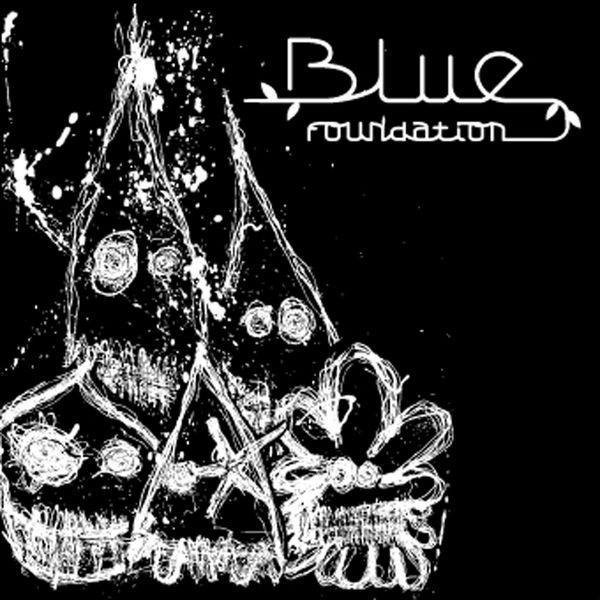
Eyes on Fire by Blue Foundation
Blue Foundation’s most famous slow-burn track feels like a revenge fantasy, but its real power comes from restraint.
"Eyes On Fire" - Blue Foundation
Provided by LyricFindI'll seek you out
Flay you alive
One more word and you won't surviveLoading...Loading lyrics...
Unable to load lyrics
We're unable to display the lyrics at this time. Please try again later.
Why This Song Still Smolders
The meaning of Eyes on Fire Blue Foundation is usually tied to betrayal, emotional revenge, and a sudden reversal of power. The song does not sound chaotic or out of control. Instead, it feels cold, patient, and exact.
Blue Foundation, the Danish group led by Tobias Wilner, released the song in 2007, and it later reached a much bigger audience through the Twilight soundtrack in 2008. That placement helped turn it into a cult favorite for listeners who love dark, cinematic pop. The song is widely credited to Bo Rande, Kirstine Stubbe Teglbjaerg, and Tobias Wilner.
What makes it memorable is the gap between the calm sound and the harsh words. The singer does not beg for closure. They sound like someone who has already decided the other person no longer has any hold over them.

Watch the official Eyes On Fire
music video
A Voice That Refuses to Beg
At the center of the song is a speaker addressing someone who seems manipulative, harmful, or dishonest. Early lines paint that person as living off borrowed force, summed up in the phrase stolen power
. That wording suggests the target only seemed strong because they took energy, confidence, or control from others.
The response is not comfort or reconciliation. When the speaker says I won't soothe your pain
and waiting in vain
, they reject the idea that they owe mercy to someone who caused damage. The emotional point is simple: the relationship has crossed a line, and compassion is being withheld.
Interpretation: This is where the song shifts from heartbreak into self-protection. The narrator may still be angry, but they are no longer asking to be understood. They are setting terms.
The Story Hidden Inside the Short Lyrics
Even with very few words, the track suggests a clear emotional timeline:
- The speaker recognizes betrayal or deception.
- They refuse to comfort the person who caused it.
- They slow down and prepare, rather than reacting wildly.
- They return with confidence and emotional leverage.
That third step matters a lot. The phrase taking it slow
changes the song from a simple outburst into something more deliberate. The speaker is not losing control. They are building it.
A key image appears when they mention play my ace
. In plain terms, they believe they now hold the winning move. Whether that means truth, emotional distance, or simple self-command, the balance of power has changed.
What the Chorus Really Burns Into View
The title line Eyes on fire
is the song’s clearest symbol. Fire usually stands for rage, destruction, passion, or transformation. Here it feels less like an explosion and more like a stare that strips away illusion.
The next image, about defeating an enemy through vision alone, makes the chorus feel psychological rather than physical. The speaker does not need to shout. Their awareness is enough. They see through the other person, and that act of seeing becomes power.
Eyes on fire
Your spine is ablaze
This brief hook suggests fear spreading through the body. In paraphrase, the betrayer is no longer secure once they realize they have been fully seen.
Sound, Mood, and the Song’s Cold Power
A big part of the meaning of Eyes on Fire Blue Foundation comes from its sound. Blue Foundation are known for dream pop, electronic textures, and a shadowy, film-like mood. On this track, the arrangement stays sparse and slow, letting tension hang in the air.
The beat never rushes. The vocals feel distant, almost ghostly. Reverb and soft layers make the song sound nocturnal, which is one reason it fit Twilight so well. Instead of matching the violent language with loud aggression, the production does the opposite: it cools everything down.
That choice changes how listeners hear the lyrics. The song feels like controlled fury, not panic. It is the sound of someone who has moved past pleading and into judgment.
Two Strong Ways to Read It
Betrayal After a Toxic Relationship
The most common reading is a breakup or emotional fallout song. Under that view, the singer is confronting a partner who lied, manipulated, or fed on vulnerability. The refusal to comfort them becomes an act of reclaiming dignity.
This is also the reading most often echoed in listener discussions and commentary, where the song is described as heartbreak mixed with resentment and defiance.
An Inner Battle Disguised as a Confrontation
Interpretation: Another possible reading is that the target is not a lover at all, but fear, shame, or an older self. In that version, the harsh language becomes metaphor for cutting off weakness and emerging stronger.
That reading fits the song’s abstract style. Because the lyrics never give specific details, the words stay open enough for listeners to project their own conflict onto them.
Why It Connects So Deeply
The song lasts because it captures a feeling many people know but cannot easily describe: the moment pain turns into clarity. Not forgiveness, not collapse, but icy understanding.
Its images are extreme, yet its delivery is composed. That contrast is the whole point. The speaker sounds powerful because they no longer need approval, apology, or even direct revenge. They only need distance and truth.
For many listeners, that is the real meaning of Eyes on Fire Blue Foundation: seeing through harm and refusing to be ruled by it.
Final Take
Blue Foundation made a song that feels dreamlike on the surface and ruthless underneath. It speaks in the language of threat, but its deeper force comes from emotional withdrawal, self-possession, and the calm after betrayal.
That is why the track still feels modern. It turns pain into poise.
Disclaimer: Song interpretation is never fully fixed. This reading separates documented facts from informed interpretation, and different listeners may hear the song in different ways.









