Why “Gang” Turns Loyalty Into a Warning
The meaning of Gang Blueface, Mozzy starts with a simple idea: this is not just a flex record. It is a song about moving as a unit, using reputation as protection, and turning group identity into power. On the surface, Blueface and Mozzy rap about guns, money, cars, and status. Under that, they present gang affiliation as security, credibility, and a way to survive hostile spaces.
"Gang" - Blueface ft. Mozzy
Blueface, baby
(Callate, Mike Crook)
Loading lyrics...
Unable to load lyrics
We're unable to display the lyrics at this time. Please try again later.
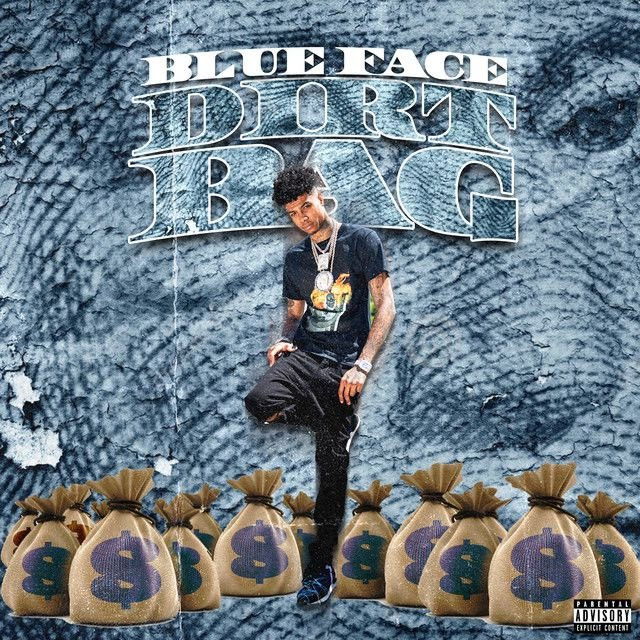
The track appeared on Blueface’s 2019 EP Dirt Bag, which also featured Mozzy, Offset, Lil Pump, Rich the Kid, and The Game. According to Billboard, the EP helped extend Blueface’s breakout year after the viral rise of “Thotiana.” That timing matters, because “Gang” sounds like an artist proving that sudden fame did not erase his street identity.
More Than a Club Anthem
The hook keeps returning to with the gang
. That phrase does more than repeat a setting. It tells listeners that nobody in this song stands alone. The room, the car, and even the beat feel crowded with backup.
Interpretation: the chorus works like a warning label. Instead of saying they are vulnerable individuals, the rappers frame themselves as part of a larger body. In street rap, that shift matters. It changes a personal boast into collective force.
Blueface adds flashy details about luxury and size, including the Benz truck line about taking up space. Even that image fits the theme. The vehicle is not just expensive; it is physically dominant, the kind of image that says they expect the world to move around them.
Watch the official Gang
music video
Blueface’s Verse Is About Presence
Blueface’s first verse mixes threats, jokes, and self-mythology. He drops sports references, weapon talk, and brags about jewelry, but the deeper point is control. He wants every line to show that they are hard to overlook and hard to challenge.
One key moment is changed my delivery
. That line points back to his public image. Blueface became famous in part because of his offbeat style, a trait noted in profiles about his rise and early viral attention. Here, he turns that criticism into self-awareness. He admits people heard him one way, then says he adjusted. That is not an apology. It is a boast that even his unusual style became part of his brand.
Another phrase, listen like Siri
, shows his comic side. Blueface often undercuts menace with absurd humor, and that tension shapes the song. He sounds dangerous, but also unserious in a way that keeps the record catchy rather than heavy.
Mozzy Brings the Harder Edge
Mozzy’s verse changes the temperature. Where Blueface often sounds loose and playful, Mozzy sounds more grounded and severe. His writing leans into blunt street language and practical aggression. That contrast gives the song structure.
If Blueface brings swagger, Mozzy brings consequence. His verse suggests that the lifestyle in “Gang” is not costume or internet theater. It is action, readiness, and rules. That is why his feature matters so much. Mozzy has long been associated with Sacramento street rap realism, so his presence makes the song feel less like a novelty record and more like a regional alliance.
Interpretation: Mozzy acts as the song’s credibility anchor. He sharpens the threat level and helps the hook feel earned rather than decorative.
The Hook Explains the Whole Song
The chorus is simple, but it does almost all the thematic work. Each time it returns, the verses start to sound less like random boasting and more like proof of membership. Their weapons, chains, cars, and attitude all support the same point: they belong to a circle that gives them status and cover.
I'm in this bitch with the gang
Benz truck, take up both of the lanes
Those lines compress the song’s message into two images: collective presence and oversized movement. They are together, and they do not move quietly.
Sound, Bounce, and Regional Identity
Production matters to the meaning of Gang Blueface, Mozzy because the beat gives the song its tension. Mike Crook’s instrumental has the hard drum knock and sparse feel common in West Coast street rap, leaving lots of room for personality. It is not lush or emotional. It is skeletal, punchy, and built for blunt impact.
That sparseness helps Blueface’s rhythm stand out. He often raps slightly against the beat, then snaps back into it, creating a feeling of instability that fits the song’s subject. The listener never gets a smooth glide. Instead, the flow feels like a series of sharp turns.
Mozzy uses that same beat differently. He sounds more locked in, which makes his verse feel heavier. Together, they create a useful contrast: Blueface is slippery and taunting, Mozzy is direct and pressurized.
Brag Rap, Street Code, and Performance
A lot of “Gang” is performance. The punchlines, movie references, and exaggerated boasts are part of rap tradition. They build character as much as they report facts. That distinction matters when reading the song.
Interpretation: the track is less a diary than a persona showcase. Blueface and Mozzy are staging toughness, loyalty, and local pride in ways that fit West Coast gangsta rap. The song’s real subject is not one event. It is the image of being protected by affiliation and feared because of association.
That also explains why the song can feel funny and tense at the same time. Blueface treats charisma as a weapon. Mozzy treats seriousness as one. Both styles serve the same message.
Final Read on “Gang”
In the end, the meaning of Gang Blueface, Mozzy is about strength through association. The song turns friendship, gang ties, and crew identity into armor. Its world is loud, crowded, and confrontational, but also carefully performed for effect.
For casual listeners, “Gang” may sound like a pure flex track. A closer read shows something more specific: they are saying that reputation is safety, numbers are power, and presence itself can be a threat.
Disclaimer: This interpretation is based on the song’s lyrics, delivery, and release context. As with most rap songs, some lines may reflect persona, exaggeration, or performance rather than literal autobiography.








