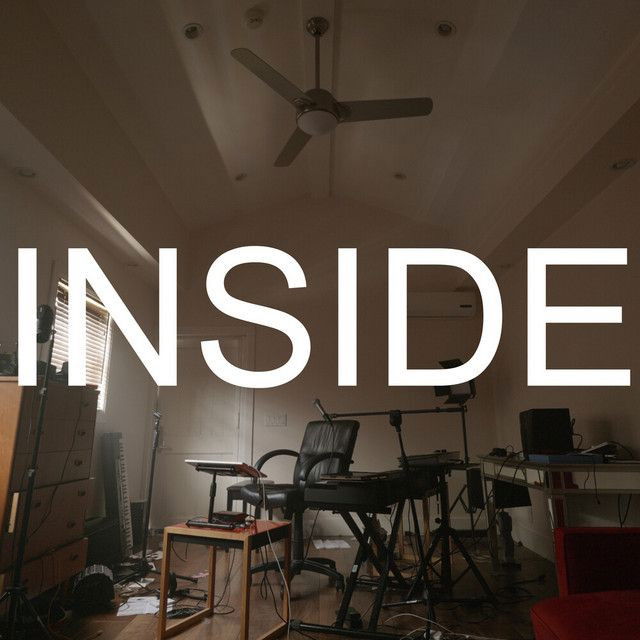
Problematic by Bo Burnham
Bo Burnham’s "Problematic" is one of the sharpest self-own songs in Inside. On the surface, it sounds like a confession about old mistakes. Under that, it becomes a satire of apology culture, online accountability, and the strange need to make personal guilt look entertaining. That tension is the key to the meaning of Problematic Bo Burnham: they are not just apologizing, they are also asking what public apology has turned into.
"Problematic" - Bo Burnham
A tiny town in Massachusetts, overwhelmingly white
I went to church on Sundays in a suit and a tie
Loading lyrics...
Unable to load lyrics
We're unable to display the lyrics at this time. Please try again later.
The Real Target of the Song
At its core, the song looks backward. Burnham describes a sheltered upbringing and early comedy shaped by immaturity, shock humor, and blind spots. They admit that some past behavior now feels embarrassing and ethically thin.
But the song does not stop at regret. It also pokes at the performance of regret. When the hook says I'm problematic
, the phrase works two ways. It sounds like self-criticism, but it is also exaggerated enough to feel staged, like a person announcing their guilt before anyone else can.
Interpretation: Burnham seems less interested in begging forgiveness than in exposing how modern confession can become a kind of self-branding.
Watch the official Problematic
music video
A Confession That Knows It Is a Show
One of the smartest parts of the lyric is how quickly the song undercuts itself. Burnham brings up an old costume choice from when they were a teenager, then immediately spirals into awkward overthinking about what should be done with the evidence now. The joke is not simply the costume. The joke is the panic around managing guilt correctly.
That is why lines like hold me accountable
feel both serious and funny. They turn moral responsibility into a repeated chorus, almost like a pop catchphrase. Instead of quietly reflecting, the speaker performs reflection at full volume.
This fits Inside as a whole. Burnham created the special alone during the pandemic, writing, filming, and editing it by themself for Netflix, as widely noted in coverage of the project and on the special’s official Netflix page. That isolation gives the song extra bite: there is no audience in the room, yet the performance still imagines one.
How the Verses Build the Meaning
From ignorance to hindsight
The opening verse sketches a neat, sheltered background. Burnham links suburban normalcy, church, and pop culture habits to a limited worldview. That setup matters because it explains, without excusing, how someone could make offensive jokes young and only later understand the damage.
They even correct themself mid-song. After trying to lean on youth as a defense, the lyric walks that idea back and insists that personal actions still belong to the person who made them. This is one reason the song lands. It does not fully hide behind childhood.
The empty bed and cold room
Then the song suddenly turns inward. When Burnham says My bed is empty
, the image sounds lonely, but it also feels theatrical. The song widens from social guilt into private discomfort.
Interpretation: That detail suggests guilt is not only public. It leaves the speaker alone with their thoughts, unsure whether they want real accountability or just emotional release.
Why the Sound Matters So Much
Musically, "Problematic" is crucial to understanding the joke. It uses a glossy, upbeat pop style with strong rhythm and a bright, almost celebratory energy. That sound clashes with the subject matter: shame, hindsight, and messy self-examination.
That contrast is the point. A song about regret should maybe be quiet or stripped down. Instead, Burnham gives it the energy of a big dance-pop number. The result feels absurd and revealing at the same time.
The production style matches Inside overall, a project praised by critics for mixing comedy, music, and psychological self-study, including in reviews from outlets like NPR and Rolling Stone. In "Problematic," polished sound becomes part of the satire. The song packages remorse as a catchy spectacle.
Symbols Hiding in Plain Sight
Several small images carry the song’s themes:
Aladdin
represents hindsight and cultural blind spots.- The
mother's attic
suggests the past is stored, not gone. - A closet full of
vaguely shitty
stuff points to the ordinary, casual nature of bad judgment. - The repeated
sorry
becomes less about repair and more about ritual.
These details keep the song from being abstract. Burnham does not discuss guilt in general terms. They give it props, rooms, and old objects.
Is Burnham Mocking Accountability?
Not exactly. That reading is too simple. The song does not say accountability is fake or unnecessary. In fact, the lyric admits wrongdoing more clearly than many real celebrity apologies do.
What it questions is the culture around apology: the script, the pressure, and the temptation to turn self-examination into content. Burnham had already developed a reputation for meta-comedy and self-conscious performance in earlier work, documented across profiles and interviews such as The New Yorker’s feature. "Problematic" extends that interest.
Interpretation: They are not rejecting responsibility. They are warning that responsibility can become another stage act.
Why This Song Still Sticks
The meaning of Problematic Bo Burnham lasts because it captures a very current fear: not just having done something wrong, but not knowing how to talk about it without sounding fake. Burnham turns that fear into comedy, then lets the comedy expose something real.
In the end, "Problematic" is about guilt, yes, but also about self-awareness becoming its own trap. The speaker knows too much about how apologies sound, and that makes sincerity harder to prove.
Final Take
Bo Burnham’s song works because it is both confession and parody at once. They admit the past matters, but they also show how public remorse can slide into performance.
Disclaimer: This interpretation is based on the song’s lyrics, production, and public context. As with any art, listeners may hear different meanings.
Sources
- https://www.netflix.com/title/81289483
- https://www.npr.org/2021/06/01/1002193564/bo-burnhams-inside-review-netflix
- https://www.rollingstone.com/tv-movies/tv-movie-reviews/bo-burnham-inside-review-netflix-1178174/
- https://www.newyorker.com/culture/the-new-yorker-interview/bo-burnham-on-how-the-internet-made-us-all-performers








