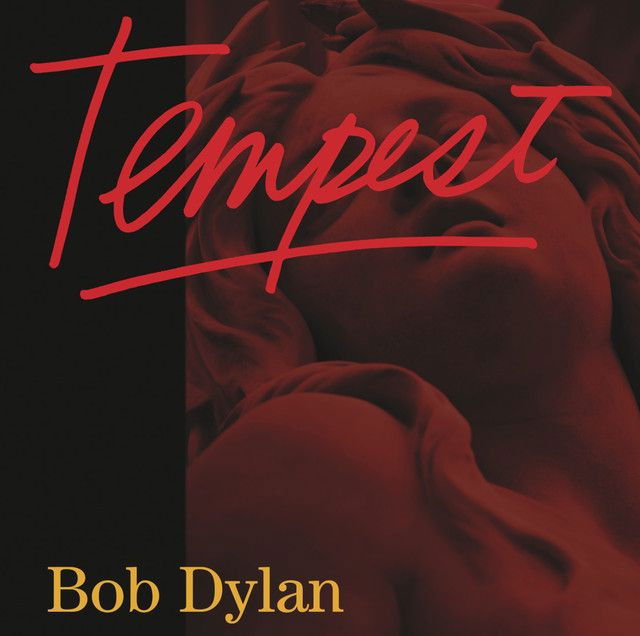
Long and Wasted Years by Bob Dylan
A breakup song that feels bigger than a breakup
The meaning of Long and Wasted Years Bob Dylan starts with a damaged relationship, but it does not stay there. On the surface, the song sounds like one person speaking to a former lover after years of hurt, distance, and blame. Under that surface, it becomes a song about time itself: time lost, memory warped, and the bitter feeling that life kept moving while love fell apart.
"Long and Wasted Years" - Bob Dylan
Since we loved each other and our hearts were true
One time, for one brief day, I was the man for you
Loading lyrics...
Unable to load lyrics
We're unable to display the lyrics at this time. Please try again later.
Released on Dylan's 2012 album Tempest, the song stands out because it is talky, jagged, and emotionally exposed. The narrator is not singing a clean story from beginning to end. They are circling old wounds, throwing out memories, insults, apologies, and dark jokes. That restless style matters. It mirrors a mind that cannot let go.
Watch the official Long and Wasted Years
music video
The heart of the song: love after trust has died
At its core, this is a song about a bond that once felt real and now feels poisoned. Early on, the narrator remembers a time when our hearts were true
. That short phrase sets up the central pain: there really was love here, or at least they believe there was.
But the memory is already unstable. The narrator says they were once the man for you
, which sounds proud and wounded at the same time. They are not just missing romance. They are grieving an older version of themselves, one that had value in someone else's eyes.
Interpretation: Dylan often writes about love in a way that mixes tenderness with accusation. Here, the speaker seems unable to decide whether they want reunion, revenge, or simply recognition that the past mattered.
A voice full of fragments and pressure
Why the song sounds almost spoken
One reason the song hits so hard is its unusual delivery. Dylan does not lean on a pretty melody. Instead, he half-speaks many lines in a tense, clipped rhythm. That approach makes the song feel like an argument happening in real time.
The production on Tempest supports that mood. The band keeps a steady, blues-rock pulse while guitar, bass, drums, and organ create a dry, nervous backdrop. Nothing feels lush or comforting. The groove pushes forward, but the narrator sounds stuck.
That contrast is important. The music moves; the speaker cannot. This helps explain the emotional force of the title phrase, long and wasted years
. The years are gone, but the feelings are not.
How the verses build the song's meaning
The song works through a chain of sharp images rather than one neat plot. Several lines suggest betrayal, paranoia, and exhaustion. When the narrator hears the other person talking in sleep, it implies hidden truths surfacing by accident. The mention of jail is so extreme that it sounds less like a legal claim and more like emotional exaggeration. The relationship has become a place where every sign feels dangerous.
Then the song widens. Suddenly the narrator says they have not seen family in twenty years and lost track of them after they lost their land. This is one of Dylan's classic moves: private heartbreak spills into social ruin, history, and displacement. The pain is no longer only romantic. It becomes generational.
We cried on a cold and frosty morn,
We cried because our souls were torn
This is the song's clearest emotional summary. The tears are not about one fight. They come from deep inner damage, from two people whose connection has become inseparable from suffering.
Images of blindness, ruin, and split paths
Several recurring images deepen the song's themes.
Dark glasses and hidden truth
When the narrator says I wear dark glasses
, the image suggests concealment and defense. They are hiding pain, guilt, or knowledge they cannot openly face. It also hints at self-mythology. Dylan's speakers often turn themselves into mysterious figures even while confessing weakness.
Fire behind the back
The line about the world burning when their back was turned suggests belated awareness. The narrator feels they missed the moment when everything collapsed. That is a powerful image for failed love: disaster did not arrive all at once, but by the time they noticed, it was already done.
Trains side by side
The image of two trains running side by side
may be the song's best symbol for the couple. They are close, moving in parallel, yet still separate. They share direction and history, but not true union. Interpretation: this may describe a relationship that looked stable from outside while emotionally drifting apart.
Anger, apology, and emotional whiplash
A striking part of the song is how fast the speaker shifts tone. One moment they sound mocking and harsh. The next, they say If I hurt your feelings
and apologize. That apology may be sincere, half-sincere, or manipulative. Dylan leaves room for all three.
This instability is part of the meaning of Long and Wasted Years Bob Dylan. The song captures what happens when people revisit old damage without resolving it. Memory becomes selective. Pride battles regret. Love survives as a habit of pain.
Dylan context: why this song fits late-career Dylan
By the time Dylan made Tempest, he had spent decades writing songs where personal scenes carry moral and historical weight. Critics often noted the album's dark mood and old-American musical textures. In that setting, "Long and Wasted Years" feels like a late-career breakup monologue stripped to the nerve.
It is also very much a Dylan song in its refusal to simplify. The narrator may be truthful, self-serving, broken, or all three. That ambiguity keeps the song alive.
Final takeaway
The simplest reading is that this is a song about a failed relationship and the ache of lost time. A deeper reading is that it is about how people turn pain into identity, until years of hurt start to define their whole world.
That is why the song lingers. It does not just ask what went wrong in love. It asks what it means to wake up and realize that whole chapters of life now feel wasted.
Disclaimer: This interpretation is based on the lyrics, recording, and publicly available context. As with many Dylan songs, ambiguity is part of the art, so other readings are possible.







