
Mother of Muses by Bob Dylan
A prayer, not just a song
The meaning of Mother of Muses Bob Dylan starts with a simple idea: this is a prayer for guidance. On the surface, Dylan addresses the ancient Greek muses and asks them to sing. But the song goes beyond art. It asks for wisdom, moral clarity, and strength at a late stage of life.
"Mother of Muses" - Bob Dylan
Sing of the mountains and the deep, dark sea
Sing of the lakes and the nymphs of the forest
Loading lyrics...
Unable to load lyrics
We're unable to display the lyrics at this time. Please try again later.
Released on Rough and Rowdy Ways in 2020, the song arrived during a period when Dylan was looking backward and forward at once. The album often moves through history, myth, violence, and memory. Here, those themes become personal. The speaker does not only want inspiration for writing; they want help understanding what human greatness costs.
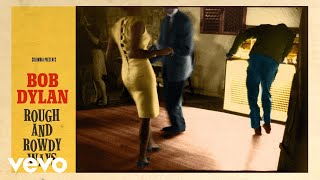
Watch the official Mother of Muses
music video
Calling on myth to face real life
The central image is direct: the singer asks the "Mother of Muses" to sing for me
. In plain terms, they are asking for a higher power to help turn confusion into meaning. That request repeats throughout the song, and each return adds a new layer.
At first, the muse is linked to nature, beauty, and epic tradition: mountains, sea, lakes, and forest figures. This frames the song like an old invocation before a poem. But Dylan quickly shifts from pretty scenery to hard subjects such as honor, fate, and sacrifice. That change matters. It suggests art is not valuable because it decorates life. It matters because it helps people carry history.
The speaker wants more than inspiration
Interpretation: The song may sound like an artist asking for creative help, but the deeper request is ethical. When the singer asks to be shown wisdom and fate, they are really asking how to live honestly.
That is why lines about identity hit so hard. The plea to forge my identity
suggests the self is unfinished. Even late in life, the speaker still feels in progress.
History enters the room
One of the most discussed parts of the song is the verse naming generals and war leaders. Dylan mentions figures from American and Soviet military history, then connects their actions to Elvis Presley and Martin Luther King Jr. This is one reason the meaning of Mother of Muses Bob Dylan feels larger than a private prayer.
The point is not simple hero worship. The verse argues that history is connected in ways people often forget. Violent struggle, national survival, popular culture, and civil rights all sit on the same timeline. When Dylan says they cleared the path
, they imply that later freedoms and achievements were built on earlier sacrifice.
That does not mean the song celebrates war without question. Interpretation: It presents history as tragic but real. The heroes named in the song are not described as pure or perfect; they are remembered as people who acted under pressure and changed what came after.
Love, age, and exhaustion
After the public scale of war and history, the song turns inward again. The speaker says they are falling in love
with Calliope, the muse of epic poetry. This can be heard as playful, but it also sounds lonely. They desire closeness with inspiration itself, as if art were a companion that cannot fully be possessed.
Then comes one of the song's most moving admissions: the speaker feels they have outlived their life. In other words, they seem aware of age, fatigue, and survival past earlier expectations. That line gives the whole song a late-career gravity. The request for help is not abstract. It comes from someone who has seen enough to know they still do not see clearly.
Mother of Muses, wherever you are
I've already outlived my life by far
This brief moment sharpens the song's emotional core. The singer is still searching, even after a long life and a huge body of work.
The final plea for cleansing and direction
In the closing section, the imagery becomes spiritual. The speaker asks to be straightened out, freed from sin, and brought to the river. These are old religious images, but Dylan blends them with his wandering road-poet voice.
When they say they have a mind that ramble
, the song admits restlessness. That wandering mind has always been part of Dylan's persona, but here it sounds less rebellious than weary. The final image of traveling light and slowly coming home suggests a long moral journey, not just a physical one.
Why the music matters
The production supports this meaning beautifully. The arrangement is gentle, measured, and old-world in tone, matching the song's prayerful language. The band avoids big drama. Instead, the music creates space for reflection, which makes the historical references feel thoughtful rather than triumphant.
Dylan's weathered voice is crucial too. On Rough and Rowdy Ways, many songs use that rough vocal texture as part of the storytelling. Here, it sounds humble. The cracked edges make the requests for mercy and guidance feel earned.
A song about what art is for
In the end, the meaning of Mother of Muses Bob Dylan is about art in service of truth. The muse is not asked to provide fame, beauty, or escape. They are asked to help remember courage, face old age, and build a self from the inside out.
Interpretation: The song may also reflect Dylan's own position as an elder artist. Instead of acting like a prophet with all the answers, they present a speaker still asking questions. That humility gives the song its power.
For listeners in the United States, the song can feel especially resonant because it ties personal identity to national memory. It asks what kind of stories deserve to be carried forward, and who gets honored when freedom is discussed.
Mother of Muses is quiet, but it is not small. It treats inspiration as a serious need: a force that helps people remember, repent, and continue.
Disclaimer: This interpretation is based on the lyrics, recording context, and publicly available information. As with most Bob Dylan songs, multiple readings are possible.








