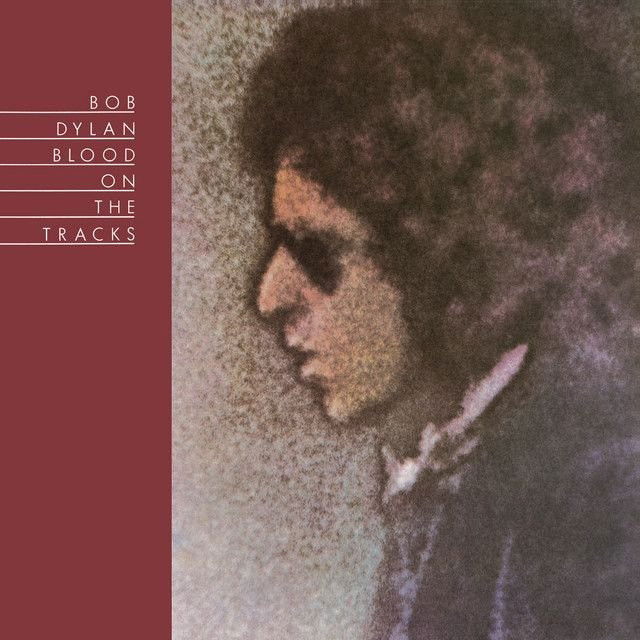
Tangled up in Blue by Bob Dylan
Why This Dylan Song Still Feels So Human
The meaning of Tangled up in Blue Bob Dylan starts with a simple idea: a person keeps moving forward in life, but their heart keeps circling back. The song is about love, memory, regret, and the strange way the past never stays still.
"Tangled up in Blue" - Bob Dylan
I was layin' in bed
Wondrin' if she'd changed at all
Loading lyrics...
Unable to load lyrics
We're unable to display the lyrics at this time. Please try again later.
Released on Blood on the Tracks in 1975, the song came from one of the most praised periods of Dylan’s career. That album is widely seen as a major work in his catalog, and it marked a return to intimate, story-driven writing after a stretch of more distant styles. According to Columbia Records album notes and widely cited discographies such as AllMusic, Dylan wrote the song himself, and the final album version carries a warm, rolling folk-rock sound.
Watch the official Tangled up in Blue
music video
A Love Story Told Like Memory Works
What makes the song powerful is not just the breakup story. It is the way the story keeps shifting. The narrator remembers different jobs, towns, and encounters, but none of it unfolds in a clean line. Instead, the song jumps through time the way memory does.
That is why phrases like side of the road
and east coast
matter. They suggest motion and distance, but they also show a person who is emotionally unsettled. They are always leaving, arriving, or looking back.
Interpretation: the song is not only about one relationship. It is also about how people build a self out of broken scenes. Every memory becomes part of the knot.
The Narrator Is Always Moving, Never Finished
A story built from fragments
The narrator works as a cook, drifts to New Orleans, takes other jobs, meets the woman again, loses her again, and keeps going. On paper, those are simple events. In practice, Dylan tells them as if past and present are happening at once.
That is where the refrain earns its weight. When the song lands on tangled up in blue
, it does not just mean sad. It means emotionally tied up, confused, and unable to fully separate one stage of life from another.
A key line late in the song sums up the problem:
We just saw it
from a different point of view
Before and after that moment, the lyric suggests that both people felt something real, but they could not live it in the same way. The issue is not a lack of feeling. It is mismatch, timing, and perspective.
How Dylan Uses Shifting Perspectives
One reason the song feels so rich is Dylan’s unusual narrative technique. Scholars and critics have long noted how Blood on the Tracks uses unstable pronouns and changing viewpoints. Dylan himself once compared his songwriting approach around this time to painting, especially the way an image can hold multiple angles at once, a point discussed in interviews collected by outlets like Rolling Stone and biographical resources such as Bob Dylan’s official site.
In this song, that means the “I” of one verse does not always feel exactly like the “I” of another. The woman also appears as both a vivid person and a symbol of a life the narrator cannot recover. That blend gives the song its dreamlike pull.
Interpretation: they may hear the song as a man chasing an old love, but they may also hear it as someone chasing an older version of himself.
Images That Carry the Meaning
Dylan packs the song with sharp images, and each one deepens the theme.
rain fallin' on my shoes
suggests hardship and exposure.burnin' coal
turns poetry into something hot and alive.bird that flew
points to escape, but also loneliness.- Roads, boats, cafés, and basements all create a life in transit.
These details matter because they keep the song grounded. Even when the timeline blurs, the settings feel real. That realism makes the emotional confusion believable.
Blue, meanwhile, works on two levels. It clearly suggests sadness. But it also feels spacious and atmospheric, like a color spread over the whole song. The narrator is not suffering in one single moment. He is living inside a mood.
How the Sound Keeps the Story Rolling
The production helps explain the meaning of Tangled up in Blue Bob Dylan just as much as the words do. The album version runs on acoustic guitar, bass, drums, and a steady groove that feels almost casual. That matters because the song never sounds melodramatic.
Instead, the music moves with the plainspoken confidence of a traveler telling a story they have told themselves many times. Dylan’s singing is conversational, even when the feelings underneath are bruised. The result is a contrast: the arrangement keeps going forward while the lyric keeps glancing backward.
That push and pull is the whole emotional engine of the track.
Why the Song Endures
The song lasts because it does not pretend life makes neat sense. People leave. They meet again. They misread each other. They keep changing. And even when they understand what happened, that understanding comes too late to untie the knot.
So the core meaning is bigger than romance. It is about identity under pressure from time. It is about how memory edits, rearranges, and haunts. Most of all, it is about living with unfinished feelings.
For many listeners, that is why the song still hits hard: it treats confusion not as failure, but as part of being alive.
Disclaimer: This interpretation mixes documented context with informed reading. Like many Bob Dylan songs, “Tangled up in Blue” remains open to more than one valid meaning.









