Could You Be Loved by Bob Marley & The Wailers
Bob Marley & The Wailers made many songs that sound joyful on the surface while carrying a sharp moral message underneath. That is exactly what happens here. The meaning of Could You Be Loved Bob Marley & The Wailers centers on a hard question: can a person accept love, give love back, and stay true to themselves in a world full of pressure, ego, and judgment?
"Could You Be Loved" - Bob Marley & The Wailers
Could you be loved and be love?
Don't let them fool ya
Loading lyrics...
Unable to load lyrics
We're unable to display the lyrics at this time. Please try again later.
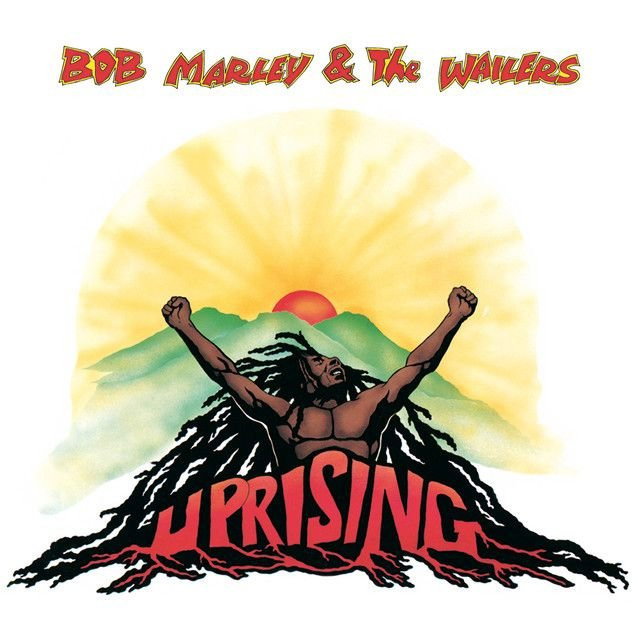
Released on 16 May 1980 as the lead single from Uprising, the band’s final studio album, the track blended reggae with disco in a way that helped it travel far beyond reggae radio, as noted by Wikipedia’s song entry. That crossover sound matters because the song’s message is also expansive. It is not only about romance. It is about spiritual maturity, self-respect, and human connection.
The Chorus Asks More Than a Love Question
At first glance, the title sounds romantic. But the hook reaches further than that. When Marley asks Could you be loved
and be love
, they present two linked ideas: receiving love is one challenge, becoming a loving person is another.
That difference gives the chorus its power. Many people want approval, but not everyone knows how to live with compassion, humility, and openness. Interpretation: the song suggests that love is not just a feeling that arrives from outside. It is also a way of moving through the world.
This is why the refrain keeps returning. It acts less like a sweet confession and more like a test of character.

Watch the official Could You Be Loved
music video
A Warning Against Pressure and False Authority
One of the song’s strongest themes is resistance. Early lines push back against manipulation, especially from people who pretend to know what is best. Phrases like Don’t let them fool ya
and mind of our own
frame love as something tied to freedom.
Marley is not praising selfishness here. Instead, they warn against surrendering one’s conscience to crowds, systems, or loud voices. In this song, love requires inner clarity. A person cannot truly love if they are always letting others define their worth.
That also connects to Bob Marley’s larger body of work, which often joined personal feeling to social and spiritual independence. The message here is warm, but it is not soft. It tells listeners to protect their identity.
Brotherhood, Judgment, and the Rocky Road
The verses widen the message from self-protection to shared responsibility. The song reminds listeners that life is difficult, that everyone stumbles, and that judgment is often hypocritical.
The road of life is rocky
you may stumble too
Those lines, used briefly here, summarize the song’s ethical center. People fail. People struggle. So pointing fingers is easy, but compassion is harder. Right after that idea, the song urges listeners to Love your brotherman
. In plain terms, it argues for mercy over superiority.
This part is important to the meaning of Could You Be Loved Bob Marley & The Wailers because it shows that love is social, not private. The song is not simply about being admired. It is about how people treat each other when life gets rough.
Survival Without Losing the Self
Another key thread in the song is survival. Marley acknowledges a competitive, unforgiving world. The reference to the strongest surviving sounds practical, even harsh. But the song does not fully accept that worldview.
Instead, it places survival beside integrity. Listeners are told not to let others change or rearrange them. That means staying alive is not only physical. It is moral and spiritual too.
Interpretation: the song seems to argue that real strength is not domination. Real strength is keeping love alive while moving through a hard world. That is a much deeper idea than simple toughness.
Why the Sound Feels So Uplifting
Part of the song’s lasting appeal comes from its bright groove. According to Wikipedia, Marley wrote the song in 1979 on an airplane while The Wailers were experimenting on guitar, and the final track became known for its reggae-disco fusion. That mix explains why the record feels so light on its feet.
The rhythm section keeps the track moving with dance-floor energy, while the guitars and vocal layers keep it rooted in reggae. The result is meaningful: the music invites listeners in before the lyrics challenge them. They can dance first, then notice the warning, the spiritual advice, and the moral questions.
That contrast is one reason the song has lasted. It never sounds preachy, even when it is clearly instructive.
More Than Romance, Less Than a Sermon
The song works because it lives in a middle space. It is accessible enough to feel like a pop anthem, but thoughtful enough to reward close listening. It speaks to romantic love, yes, but also to self-love, communal love, and divine love.
Interpretation: some listeners hear the phrase be love
almost as a spiritual command. Rather than chasing affection, the song asks people to embody it. Others may hear a political edge, since resisting control and rejecting false judgment fit Marley’s wider message of liberation. Both readings make sense because the song leaves room for them.
Why the Song Still Connects
More than four decades later, the song still feels current because its pressures are still current. People still face manipulation, comparison, moral posturing, and the fear of not being accepted. Marley’s answer is simple but demanding: think clearly, stay grounded, and choose love anyway.
That is the heart of the meaning of Could You Be Loved Bob Marley & The Wailers. The song asks whether people can do more than seek approval. Can they live with courage, resist corruption, and practice compassion? Marley turns that challenge into a groove that feels generous instead of heavy.
Final Take
“Could You Be Loved” endures because it joins movement with meaning. Its beat is open and celebratory, but its message is disciplined: do not let the world harden you, and do not confuse being wanted with truly loving.
That balance is what makes the song special. It is a dance track, a moral reflection, and a call to stay human.
Disclaimer: This interpretation is based on the song’s lyrics, recording context, and widely documented history. As with any art, listeners may hear meanings that differ from this reading.







