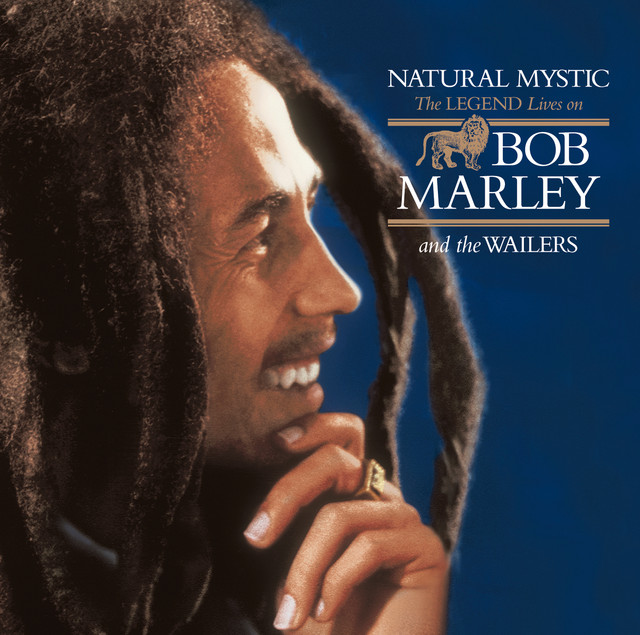
Why “Iron Lion Zion” Still Feels Unbreakable
The meaning of Iron Lion Zion Bob Marley & The Wailers comes through in one clear idea: they turn fear into spiritual strength. Even though the lyrics describe a person under pressure, the song never sounds defeated. Instead, it answers danger with dignity, faith, and a promise to endure.
"Iron Lion Zion" - Bob Marley & The Wailers
I have to run like a fugitive to save the life I live
I'm gonna be iron like a lion in Zion
Loading lyrics...
Unable to load lyrics
We're unable to display the lyrics at this time. Please try again later.
Bob Marley wrote the song, and it is widely known as part of his larger body of reggae work with The Wailers. In plain terms, this track is about surviving hostile forces without losing inner power. That is why its short, repeating hook has stayed so memorable.
A survival song dressed as a victory chant
At the center of the lyric is a speaker who feels hunted. They describe being on unstable ground and having to move like a fugitive just to stay alive. Phrases such as on the run
and save the life I live
make that pressure obvious.
Still, the song does not stop at fear. It keeps returning to iron like a lion
, which reframes the whole story. Instead of sounding weak or cornered, the speaker imagines becoming hard, brave, and unshaken.
Interpretation: this shift is the key to the song. Marley appears to contrast outer danger with inner resilience. The body may be chased, but the spirit refuses to bend.
Watch the official Iron Lion Zion
music video
Why “Zion” matters so much here
To understand the meaning of Iron Lion Zion Bob Marley & The Wailers, it helps to focus on the final word in the chorus: Zion
. In reggae and Rastafari thought, Zion often points to a sacred homeland, freedom, or spiritual refuge. It can suggest Ethiopia, heaven, or a deeper sense of liberation depending on the song and context.
That gives the hook more depth. Iron lion Zion
is not just a catchy rhyme. It joins strength, royal imagery, and holiness in one phrase. The lion suggests courage and authority. “Iron” suggests toughness. “Zion” lifts both into a spiritual frame.
Interpretation: they may be singing about more than physical escape. The song can also be heard as a vow to remain spiritually intact in a violent world.
The verses show a world of conflict
The short verses sketch a tense social scene. The speaker says they have no weapon, yet danger surrounds them. Another sharp detail appears in tribal war
, which points to human division, rivalry, and conflict over power.
That line matters because it widens the song beyond one person’s struggle. The threat is not random. It grows out of jealousy, status, and social breakdown. When the lyric mentions people wanting to be the star, it suggests ego and competition are part of the chaos.
A quick map of the lyric’s movement
- The speaker begins in danger and uncertainty.
- They describe escape as necessary for survival.
- They point to a wider world of conflict and rivalry.
- The chorus transforms fear into strength and purpose.
This is a simple structure, but it is effective. Each return to the hook feels like an act of resistance.
How the sound carries the message
The production helps explain why the song feels uplifting instead of bleak. Reggae often uses a grounded bass line, offbeat guitar or keyboard accents, and a steady pulse that creates both calm and momentum. That musical bed can make even hard truths feel communal and survivable.
Here, the groove supports the lyric’s confidence. The repetition is especially important. By hearing the central phrase again and again, listeners feel the speaker building conviction in real time. The melody is warm and open, which softens the fear in the verses without erasing it.
Marley’s vocal approach also matters. They do not sound panicked. They sound firm. That choice changes the emotional effect of lines about running and danger. The performance suggests hard-won confidence, not denial.
Artist context makes the song richer
Bob Marley often wrote songs that tied personal struggle to spiritual and political meaning. Across his catalog, themes of liberation, faith, oppression, and endurance appear again and again. That broader context makes this song feel consistent with his voice as a writer, even though its lyric is very concise.
Because Marley’s work frequently blended everyday hardship with Rastafari imagery, listeners often hear this track as both intimate and symbolic. The fugitive image feels personal. The Zion image feels larger than one life.
Interpretation: that mix may be why the song lasts. It speaks to people facing literal danger, but also to anyone trying to stay morally strong in a world full of pressure.
The chorus is simple, but not shallow
The hook is easy to remember because of its sound play: iron, lion, Zion. But the phrase sticks for more than rhythm. It compresses an entire worldview into a few words. Strength is not presented as cruelty or domination. It is shown as courage anchored in something sacred.
That distinction matters. The song does not answer violence with swagger alone. It answers with identity and belief. In that way, the chorus becomes less of a boast and more of a declaration.
Final takeaway on the song’s meaning
The meaning of Iron Lion Zion Bob Marley & The Wailers is about standing firm when the world feels dangerous, divided, and unjust. Its lyrics show vulnerability, but its chorus turns that vulnerability into spiritual power.
That is why the song still feels alive: it imagines survival not just as escape, but as becoming stronger in soul. Interpretation disclaimer: song meanings can vary, and this reading is an informed interpretation based on the lyrics, Marley’s themes, and the sound of the recording.







