Redemption Song by Bob Marley & The Wailers
The meaning of Redemption Song Bob Marley & The Wailers starts with a simple idea: freedom is not only political. It is mental, spiritual, and deeply personal. Bob Marley takes the history of slavery, turns it into a call for self-liberation, and delivers that message with unusual directness.
"Redemption Song" - Bob Marley & The Wailers
Sold I to the merchant ships
Minutes after they took I
Loading lyrics...
Unable to load lyrics
We're unable to display the lyrics at this time. Please try again later.
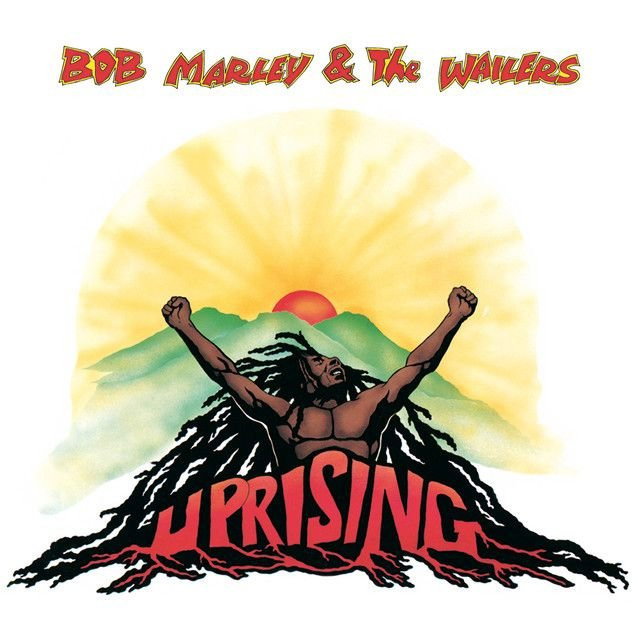
Released in 1980 as the closing track on Uprising, the song stands apart in Marley’s catalog. It is mostly just voice and acoustic guitar, a major shift from the rich reggae arrangements many listeners expect. That bare sound matters because it strips away distraction and puts the words front and center.
A Freedom Song That Looks Back and Forward
On the surface, the first verse looks backward. Marley begins with images of capture, transport, and survival. When he refers to old pirates
and merchant ships
, he points to the Atlantic slave trade and the violent systems that treated human beings as property.
But the song does not stay in the past. Marley quickly shifts from historical pain to endurance. The speaker survives, grows stronger, and keeps moving. That movement toward dignity is the bridge to the chorus, where song of freedom
becomes more than music. It becomes a tool of memory, healing, and resistance.

Watch the official Redemption Song
music video
The Heart of the Message
The most famous lines carry the song’s clearest statement of purpose. Marley urges people to confront the invisible chains that remain even after physical bondage ends.
Emancipate yourselves from mental slavery
None but ourselves can free our minds
Before and after these words, the song makes the point plain: outside forces can oppress people, but inner freedom still demands personal courage. This idea connects to Marcus Garvey, whose 1937 speech inspired Marley’s wording, as noted in the song’s documented history. That context matters because Marley is not inventing a slogan out of nowhere. They are placing their song in a longer Black political and philosophical tradition.
History, Faith, and Survival in One Voice
Another reason the song feels so powerful is the way it joins history with faith. Marley mentions strength given by the Almighty, which frames survival as both human and spiritual. The message is not passive, though. Faith here does not mean waiting. It means finding the power to keep going.
That is why the song balances sorrow and confidence so well. The opening imagery is painful, but the tone never collapses into defeat. Even the line about atomic energy
works this way. Marley names a modern threat, then pushes against fear by saying history and truth are larger than the forces that try to control people.
Why the Acoustic Sound Changes Everything
A big part of the meaning of Redemption Song Bob Marley & The Wailers comes from how it sounds. Unlike most Marley classics, this recording is a solo acoustic performance. There is no full rhythm section driving the track. Instead, listeners hear the rough warmth of guitar strums and a vocal that feels close, exposed, and human.
That production choice makes the song feel like a final testimony. Critics and biographers have often described it as a departure from Marley’s usual style, and that is exactly why it lands so hard. The lack of band arrangement removes celebration and leaves conviction.
The melody is gentle, but the words are not soft. That contrast matters. The calm surface helps the political and spiritual message travel further. Listeners are not pushed by rhythm; they are invited to listen, reflect, and sing along.
What the Chorus Really Means
The chorus is easy to remember, but its meaning is richer than it first seems. When Marley asks for another freedom song, they are not simply asking for company. They are turning singing into shared action.
This is why Redemption Song
works as both title and mission. Redemption here is not about forgetting suffering. It is about transforming suffering into wisdom, strength, and communal memory. The song says freedom has to be practiced, repeated, and passed on.
Two Strong Readings of the Song
Interpretation: The first reading is historical and political. In this view, Marley is speaking directly to the legacy of slavery, colonialism, and Black liberation. The references to ships, captivity, and mental emancipation support that reading clearly.
Interpretation: The second reading is more personal and spiritual. Marley had been living with serious illness by this period, and many listeners hear the song as a calm confrontation with mortality. Without making claims the song does not state outright, it is fair to say its language of courage, soul, and redemption gives it the feeling of a farewell statement.
Both readings can exist at once. That is part of the song’s greatness.
Why It Still Resonates
The song remains one of Marley’s most admired works. It ranked highly on Rolling Stone’s all-time songs list, and its reach goes far beyond reggae. Its message travels because it speaks to national history, personal struggle, and moral responsibility in the same breath.
For American listeners especially, the song still feels current. Its warning about inherited systems and damaged thinking continues to make sense in conversations about race, justice, and identity. Yet it never sounds like a lecture. It sounds like an invitation to become freer than before.
Lasting Takeaway
The meaning of Redemption Song Bob Marley & The Wailers is ultimately about liberation that begins inside but does not end there. Marley connects historical trauma, spiritual resolve, and collective action in one of the simplest recordings of their career.
That simplicity is the point. With only a guitar, a voice, and a few unforgettable images, they turn private reflection into a public anthem.
Disclaimer: This interpretation blends documented context with informed critical reading. Song meaning can remain open to different listeners.







