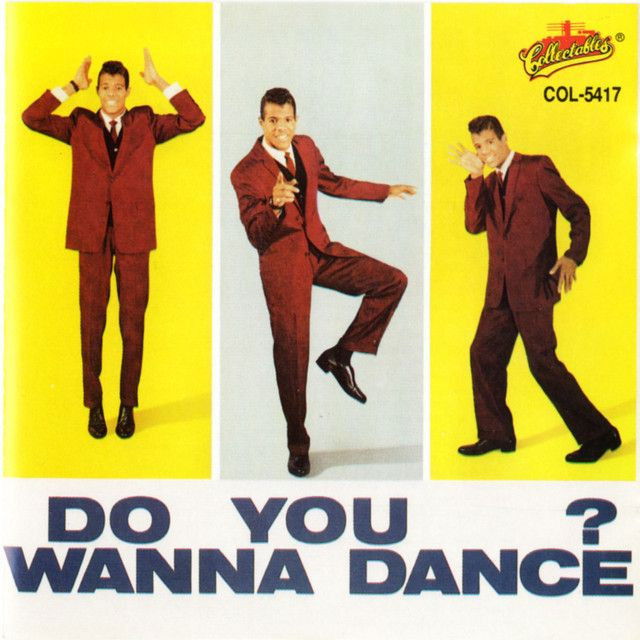
Why 'Do You Wanna Dance' Still Feels So Alive
The meaning of Do You Wanna Dance Bobby Freeman starts with a very simple idea: a dance request that is really a romance request. Bobby Freeman’s 1958 hit does not hide its feelings. It turns teenage desire into a question anyone can understand, and that directness is a big reason the song still works.
"Do You Wanna Dance" - Bobby Freeman
Tell me I'm your lover man
Oh baby do ya wanna dance
Loading lyrics...
Unable to load lyrics
We're unable to display the lyrics at this time. Please try again later.
Freeman wrote and first recorded the song in 1958, and the original became a major hit, reaching No. 5 on the U.S. pop chart and No. 2 on the U.S. R&B chart, according to the widely cited release history summarized by Wikipedia. It was produced by Morty Palitz and cut when Freeman was still a teenager. Those facts matter because the song sounds young, eager, and immediate, exactly like the voice behind it.
A Love Song Hidden Inside a Dance Song
On the surface, the lyric is a request to dance. But the song quickly makes clear that dancing is only the first step. When the singer asks to hold my hand
, the meaning shifts from public fun to private affection. The dance floor becomes a safe, exciting place where attraction can be tested.
That is why the song feels bigger than its few words. The singer is not just asking for a song and a spin around the room. They are asking for confirmation: Are they wanted? Are they someone’s lover man
? The repeated question carries hope, nerves, and confidence all at once.
Interpretation: The song presents romance as something physical but innocent. Touch matters here, yet the tone stays playful rather than heavy. That balance helped make the record feel thrilling without sounding dark or adult.
Watch the official Do You Wanna Dance
music video
How the Lyrics Build Their World
Freeman uses a tiny set of ideas and repeats them with small changes. That structure is important to the song’s meaning. Each return to the chorus-like hook adds another layer of closeness.
A few of the key phrases show that movement:
make romance
under the moonlight
all through the night
wanna dance
The pattern moves from dancing, to hand-holding, to kissing and hugging, all within a dreamy nighttime setting. The moonlight image is especially useful. It gives the song a classic teen-romance backdrop, turning a basic rock-and-roll number into something a little cinematic.
Do ya wanna dance
and-a hold my hand
Tell me I'm your lover man
Even in those few lines, the emotional arc is clear. The singer starts with action, then asks for touch, then asks for verbal reassurance. That is the whole song in miniature.
The Hook Works Because It Never Overexplains
One reason the meaning of Do You Wanna Dance Bobby Freeman lands so well is that the lyric does not try to sound wise. It uses everyday language, almost like live speech. The phrase do ya
feels casual and human, not polished.
That plain style gives the song honesty. Instead of describing love in abstract terms, Freeman lets the body do the talking: dancing, squeezing, kissing, staying close. In early rock and roll, that kind of simplicity was powerful. It made songs easy to sing along with, but it also captured teenage feeling in a real way.
Interpretation: The repeated title question may sound confident, but it also suggests uncertainty. Repetition can be flirtation, yet it can also be nervousness. The singer keeps asking because they want the answer to be yes.
Why the Sound Sells the Emotion
The performance matters as much as the words. Freeman’s original recording is generally classified as rock and roll, and it moves with the punch and bounce that style needed in 1958. The record was built from Freeman’s demo and overdubbed in New York with session musicians, including guitarist Billy Mure, according to the song’s documented history.
That production story helps explain the record’s snap. The beat pushes forward, the vocal sounds eager, and the arrangement leaves little empty space. Everything is aimed at motion. The song does not ask for a careful emotional reading while it plays; it asks listeners to move first and think second.
That choice fits the lyric perfectly. A hesitant arrangement would weaken the invitation. Instead, the record feels like the question has already become a party. By the time Freeman stretches the last words and drives the false ending into one more burst of energy, the song sounds almost impossible to refuse.
A Small Song With a Huge Afterlife
The song’s legacy also says something about its meaning. It has been covered by major acts across styles, including Cliff Richard and the Shadows, the Beach Boys, Bette Midler, and the Ramones, as documented in the same release history. That range is striking.
Why does it keep returning? Because the core idea is flexible. The Beach Boys turned it into a more layered pop production; Bette Midler slowed it into something soulful and intimate; the Ramones made it blunt and fast. Yet the emotional center stayed the same: desire expressed as a simple invitation.
The original also appeared in American Graffiti, which makes sense. The song captures the energy of late-1950s youth culture so well that it works almost like shorthand for that world.
The Lasting Takeaway
At heart, this is a song about wanting closeness and asking for it out loud. The meaning of Do You Wanna Dance Bobby Freeman is not hidden in complicated symbolism. It lives in the link between rhythm and romance, between a public dance and a private wish.
That is why the song still feels fresh. It understands that sometimes love begins with a question that sounds small but means everything.
Disclaimer: This interpretation separates documented facts about the recording and release from critical reading of the lyrics. Meanings can vary from listener to listener.







