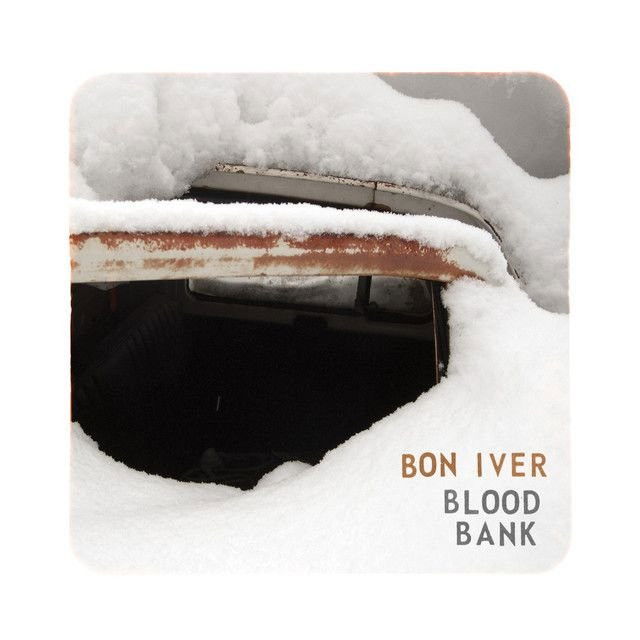
Beach Baby by Bon Iver
A small song with a big ache
The meaning of Beach Baby Bon Iver comes down to one painful idea: a moment of intimacy can feel real even when it is already slipping away. The song is short, but it carries the kind of emotional weight Bon Iver often turns into art—half memory, half confession, and never fully stable.
"Beach Baby" - Bon Iver
Tell your lucky one
To know that you'll leave
Loading lyrics...
Unable to load lyrics
We're unable to display the lyrics at this time. Please try again later.
Released on the 2009 Blood Bank EP, “Beach Baby” sits in the shadow of Justin Vernon’s breakout era after For Emma, Forever Ago. That matters because listeners often connect Bon Iver’s early work with isolation, damaged relationships, and fragile hope. Factually, Bon Iver released Blood Bank in 2009 through Jagjaguwar, and Justin Vernon is credited as the songwriter and a producer on the project.

Watch the official Beach Baby
music video
What the song is really about
At its core, the song sounds like someone talking to a lover who is emotionally unreliable. They seem drawn to this person, but they also know the relationship may not last. The opening thought, with tell your lucky one
, suggests there is another partner or another life outside this scene.
Right after that, the song moves toward departure. The line about leaving and not locking up when fleeing does not just describe action; it suggests carelessness, or a habit of running. The speaker does not sound shocked by this. They sound sadly familiar with it.
Interpretation: the song is less about one breakup event than about learning a person’s pattern. They come close, they create warmth, and then they disappear.
The emotional push and pull
One reason the song feels so haunting is the way it mixes tenderness with warning. The image of staying only until the coffee gets warm implies a visit that is brief by design. The phrase coffee warms
turns ordinary morning detail into a timer.
That timer matters because the speaker seems to ask for slowness even while expecting the other person to leave. When the song says don’t hurry and speed
, it sounds almost impossible: please go, if going is what you do, but do not make the leaving feel cruel.
This is where the emotional depth of the song lives. The speaker is not asking for forever. They are asking for gentleness inside something temporary.
A memory made of fragments
Bon Iver often writes in broken, image-based lines rather than clean narratives, and this song is a strong example. Instead of a full story, listeners get flashes: keys, coffee, a beach, a body close by. Those objects and moments build feeling more than plot.
One a time put a tongueIn your ear on the beachAnd you clutched kicking heels
This brief cluster is one of the song’s most physical moments. Paraphrased, it captures a sensual memory that is awkward, youthful, and vivid. The beach image gives the song its title, but it also gives it a setting that feels temporary and exposed. Beaches are open spaces where things wash in and wash out.
Interpretation: this memory may be beautiful, but it does not feel secure. Even at its most intimate, the song never settles into safety.
Who is speaking, and to whom?
The voice in the song seems personal and direct, likely speaking to a former or current lover. The repeated instructions and requests make it sound like a private address rather than a broad statement. They are not speaking about love in general; they are speaking to one person who has already shown them how unstable closeness can be.
That directness is important to the meaning of Beach Baby Bon Iver. It keeps the song from becoming abstract. Even when the lines are strange, the emotional situation is easy to recognize: someone wants tenderness from a person they do not fully trust.
How the sound carries the meaning
The arrangement helps explain why the song lands so hard. Bon Iver’s early recordings often use soft acoustic textures, light percussion, and layered vocals that feel both close and distant. In “Beach Baby,” that kind of restrained indie-folk sound gives the song a handmade, intimate feel rather than a dramatic one.
There is no huge climax. Instead, the track drifts. That drifting quality mirrors the lyrics: the relationship is not exploding; it is dissolving. Vernon’s voice, delicate and slightly worn, makes even plain images feel bruised.
Interpretation: the production suggests memory itself. It sounds like something half-preserved, where details remain sharp but the emotional outcome is already over.
Why listeners connect with it
Part of the song’s lasting appeal is how little it explains. Many listeners know what it feels like to have a relationship made of brief visits, mixed signals, and intense memories that outlast the actual bond. “Beach Baby” does not overstate that pain. It lets small details carry it.
That is why phrases like I'd like not hear keys
hit so hard. Paraphrased, the speaker does not want to hear the sound of departure. The pain is not only in being left. It is in hearing the leaving happen in real time.
Final takeaway
The best reading of “Beach Baby” is that it captures the sadness of borrowed intimacy. It remembers touch, routine, and closeness, but always under the shadow of exit. That balance of warmth and loss is the heart of the song.
In the end, the meaning of Beach Baby Bon Iver is not just about romance. It is about how people hold onto moments they know they cannot keep.
Disclaimer: This interpretation is based on the song’s lyrics, sound, and Bon Iver’s broader artistic context. As with many Bon Iver songs, meanings can stay open and personal.








