Flume by Bon Iver
Why This Song Still Feels Like a Secret
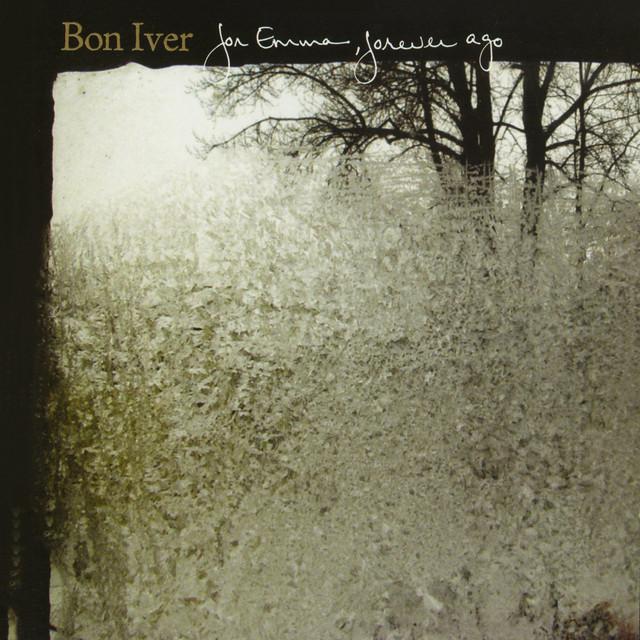
The meaning of Flume Bon Iver starts with a feeling more than a plot. "Flume," the opening track on For Emma, Forever Ago, sounds hushed and exposed, like a private thought spoken out loud. Bon Iver is the project led by Justin Vernon, and the album became widely known after its stark creation story and release through Jagjaguwar and 4AD.
"Flume" - Bon Iver
It's enough
I wear my garment so it shows
Loading lyrics...
Unable to load lyrics
We're unable to display the lyrics at this time. Please try again later.
Factually, For Emma, Forever Ago is Bon Iver's 2007 debut album, and Vernon wrote its songs during a period of isolation that became central to how listeners understood the record. That backstory has been covered by major profiles and label materials, including accounts from NPR and Jagjaguwar. Even so, this song is not just a diary entry. It turns personal pain into symbols.

Watch the official Flume
music video
A Small Song About Big Origins
At the center of the song is a speaker trying to name where they come from. Early lines use the mother figure to ground identity, especially in the brief phrase my mother's only one
. Paraphrased, the idea is simple but loaded: they know themselves through family, but that closeness also feels lonely and fragile.
Then the song shifts from family to self-presentation. When they mention wearing a garment so "it shows," the image suggests exposure rather than fashion. Interpretation: they may be admitting that grief, dependence, or tenderness can no longer be hidden.
That is a key part of the meaning of Flume Bon Iver. The song is about being shaped by love and origin, then being left to carry those marks in public.
The Chorus Turns Love Into Color
The chorus gives the song its strangest and most memorable images. Bon Iver repeats only love is all maroon
, then surrounds that idea with feathers, water, sky, and moonlight. Paraphrased, love is not bright or clean here. It is dark red, almost bodily, like dried blood, bruising, earth, or warmth.
Interpretation: maroon can suggest several emotions at once:
- love as deep and mature
- love as wounded or bruised
- love as something physical, not abstract
- love as the one force staining everything else
That color choice matters because it resists romance clichés. This is not shiny, easy love. It is heavy, messy, and alive.
Water, Birth, and Being Carried
The title itself is a clue. A flume is a narrow channel that carries water. That makes the song's flow imagery feel purposeful, not random. When the speaker says I move in water
and describes going shore to shore, the song presents life as drift, passage, and survival.
The other major image is cosmic and maternal at once: Sky is womb
. In plain terms, the world above becomes a place of origin and protection. The moon, figured as feminine, watches over that space.
Interpretation: these images make the song feel like a rebirth story. The speaker is not just remembering their mother. They are imagining the whole natural world as a mothering force, one that carries them through uncertainty.
Strange Images, Clear Emotions
Some lines sound almost abstract at first, especially Gluey feathers on a flume
and the mention of rope burns and reddish color. Bon Iver often writes this way: the picture is surreal, but the feeling is precise.
These details give the song texture. Feathers suggest softness or flight, but "gluey" makes them heavy and stuck. Rope burns imply friction, strain, or damage from being pulled. Lakes and loons place the song in a cold northern landscape. Together, the images suggest a person caught between comfort and pain.
That tension is why the song feels so vivid. It is tender, but not peaceful.
How the Sound Deepens the Meaning
Production is crucial to the meaning of Flume Bon Iver. The track is spare, led by fingerpicked acoustic guitar and Vernon's high, breathy vocal. There is very little separation between the singer and the room around them, which creates intimacy.
Factually, For Emma, Forever Ago is known for its minimal, homemade sound, a quality noted in reviews from outlets like Pitchfork and Rolling Stone. On "Flume," that style reinforces the lyrics. Nothing is crowded. Every pause feels exposed.
Interpretation: the fragile recording style mirrors the song's emotional state. The listener hears someone trying to hold themselves together with only voice, guitar, and image.
Two Strong Ways to Read the Song
There is no single locked meaning, and that ambiguity is part of its power.
Reading One: A Song About Identity Through the Mother
This reading hears the song as a meditation on inheritance. The speaker understands themselves through the mother figure, then expands that bond into natural imagery of sky, moon, and water.
Reading Two: A Song About Love After Hurt
This version focuses on maroon, rope burns, and the sticky, damaged feeling in the imagery. Love remains the only constant, but it leaves marks.
Both readings fit because Bon Iver writes emotionally, not literally. The symbols overlap instead of narrowing to one story.
Why “Flume” Opens the Album So Well
As the first track on For Emma, Forever Ago, "Flume" sets the emotional rules for everything that follows. It says the album will speak in fragments, use nature as memory, and treat heartbreak as something larger than one breakup.
That is why the song still resonates. It feels personal enough to be confessional, yet open enough for listeners to enter with their own losses and attachments.
Final Take
The best way to understand the meaning of Flume Bon Iver is to hear it as a song about being carried: by family, by love, by memory, and by the natural world. Its words are mysterious, but its emotional direction is clear.
This interpretation is ultimately subjective. Bon Iver's songwriting invites multiple readings, and listeners may connect with different symbols in different ways.








