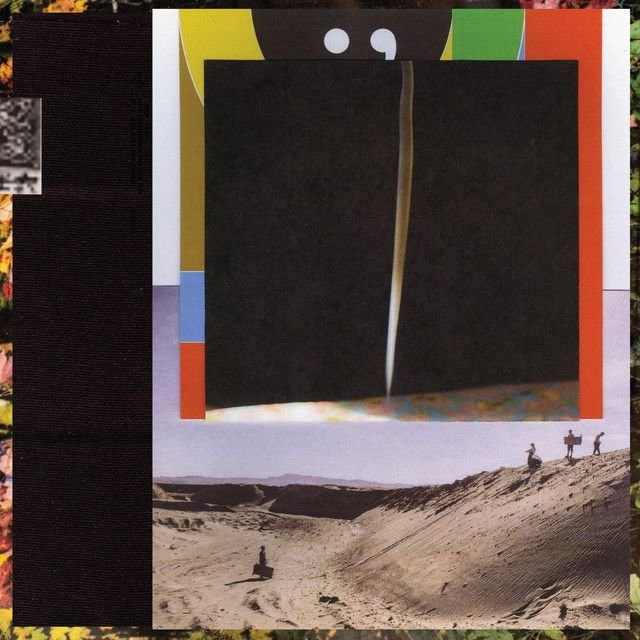
iMi by Bon Iver
Why This Song Feels Like a Memory Mid-Change
The meaning of iMi Bon Iver is less about a clean story and more about a person trying to pull themself together while old feelings keep breaking through. The song opens Bon Iver’s 2019 album i,i, and it sounds like a collage: chopped voices, quick rhythm changes, and lines that arrive like half-remembered thoughts. That style matters because the song’s meaning lives in that broken-yet-moving feeling.
"iMi" - Bon Iver
Ini was
Ooh, mine was a lover of a wrong kind
Loading lyrics...
Unable to load lyrics
We're unable to display the lyrics at this time. Please try again later.
At its core, “iMi” appears to be about identity, emotional confusion, and the hard work of change. The speaker sounds caught between regret and acceptance. They admit they have been lost, stuck in patterns, and unsure how to forgive or move forward. But the song also pushes toward self-recognition. Even when the lyrics feel scrambled, they keep circling back to the idea of knowing oneself.

Watch the official iMi
music video
A Speaker Caught Between Old Habits and Self-Knowledge
One of the strongest ideas in the song is inner conflict. Early on, the speaker remembers being tied to the wrong kind of love, hinted at in the phrase wrong kind
. That small phrase suggests a relationship, habit, or emotional bond that felt real but was harmful. Instead of explaining it directly, Bon Iver lets the idea hang in the air.
That vagueness is important. Interpretation: the song is not only about one romance. It can also be heard as a struggle with self-image, dependency, or repeating painful cycles. When the speaker says they were lost here, again
, it sounds like they recognize a pattern they have fallen into more than once.
There is also a quiet shift in the verse about a bright fall morning. The image suggests a brief moment of clarity after confusion. They stand inside that moment long enough to feel it, but not long enough to fully solve everything. In plain terms, the song presents healing as partial and unstable, not dramatic and final.
The Chorus Turns Confusion Into a Statement
The repeated I am
is the emotional center of the track. It sounds simple, but in context it carries weight. After lines full of uncertainty, the song lands on a basic statement of being. The speaker may not have every answer, but they can still declare their existence.
Interpretation: this refrain works like a survival phrase. It is not confident in a loud, triumphant way. It feels more like grounding. When someone is overwhelmed, saying “this is who I am” can be the first step before they can say anything more specific.
The other recurring line, you know the way it goes
, adds a different mood. It sounds resigned, almost tired. The speaker seems to know that pain, avoidance, and repetition are familiar paths. Together, these two ideas create the song’s tension: identity is possible, but so is relapse.
Forgiveness Is the Song’s Hardest Question
The clearest emotional challenge in “iMi” comes when the song asks about forgiveness. Rather than treating forgiveness as noble or easy, the lyric frames it as labor. That is one of the smartest parts of the writing. It acknowledges that letting go can feel like work, not relief.
If forgiveness is a chore
what you waiting for?
These lines push the speaker forward. The question is direct, but it does not sound cruel. It sounds like a moment of self-confrontation. If the pain is known, and if they have been here before, then delay becomes its own kind of choice.
This helps explain the meaning of iMi Bon Iver for many listeners: the song captures the moment when a person is tired of their own emotional loop but still does not know how to leave it.
Sound Design as Meaning, Not Decoration
Bon Iver’s music often uses production to carry emotion, and “iMi” is a prime example. According to album credits and reporting around i,i, the song was built with a wide group of collaborators, including James Blake and others from Justin Vernon’s circle. That group feel matters because the track sounds communal and fragmented at once.
The beat snaps and stutters. Voices are layered, clipped, and processed. Melodies seem to appear from different rooms. Instead of a single clean vocal line leading the way, the song keeps reshaping itself. That mirrors the lyric theme of identity under pressure.
The production also creates emotional contrast. Some moments feel warm and open; others feel anxious and compressed. The result is a song that moves like thought itself: jumping, looping, and suddenly clearing. They do not just sing about confusion. They make the listener hear confusion becoming form.
Two Strong Readings of “iMi”
Reading One: A Recovery Song
A common interpretation is that “iMi” is about breaking a harmful cycle. The lyrics point to loneliness, old mistakes, and the need for forgiveness. The repeated self-assertion then becomes a way to rebuild from the inside out.
Reading Two: A Song About Art and Public Pressure
Another possible reading comes from the line about people not liking what the speaker does. In that view, the song also reflects the pressure of being seen, judged, and misunderstood. Bon Iver had already moved far from the sparse sound of For Emma, Forever Ago, and “iMi” may partly address the strain of making work that some listeners resist.
Both readings can exist together. A song about personal change can also be a song about artistic identity.
What “iMi” Finally Leaves Behind
In the end, “iMi” does not offer a neat resolution. It offers motion. The speaker faces the past, admits confusion, and keeps reaching toward a steadier self. That is why the song can feel both unsettled and comforting.
For listeners searching for the meaning of iMi Bon Iver, the best answer is this: it is a song about becoming. Not becoming perfect, but becoming honest enough to say what hurts, what repeats, and what still remains.
Disclaimer: This interpretation is based on the lyrics, recording context, and public information. Like many Bon Iver songs, “iMi” is intentionally open, so other readings are possible.









