Jelmore by Bon Iver: Meaning in the Ruins
Bon Iver's "Jelmore" is one of Justin Vernon's most unsettling songs because it sounds small while thinking about something huge. For listeners searching for the meaning of Jelmore Bon Iver, the clearest answer is this: they present a broken world where daily life keeps going even as disaster feels close.
"Jelmore" - Bon Iver
Whoa
Whoa
Loading lyrics...
Unable to load lyrics
We're unable to display the lyrics at this time. Please try again later.
The song does not tell a neat story. Instead, it gives fragments of people, places, and warnings. Those fragments add up to a mood of environmental fear, social collapse, and personal escape. It feels like someone looking around at ordinary America and realizing the emergency is already here.
The Core Idea Hiding in Plain Sound
At the center of the song is a blunt refrain about disappearance. When they repeat we'll all be gone
, the line sounds less like drama than resignation. The point is not only death in a literal sense. It also suggests a vanishing future, a loss of stability, and the sense that modern life is heading somewhere unsustainable.
Interpretation: Many readers hear the song as climate anxiety turned into folk-surreal poetry. That reading fits because the lyric later asks, disregard the heat?
In plain language, they seem to accuse people of ignoring obvious danger even while it grows harder to deny.
This is what makes "Jelmore" hit so hard. It is not a speech about politics. It is a weary sketch of people carrying on around the edges of a crisis.
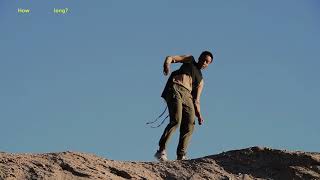
Watch the official Jelmore
music video
A World of Misfits and Warning Signs
The verses are filled with strange figures: an angelic address, a thrift store manager, a bricklayer, a gas mask, a cavalry that never arrives. None of these images are explained in a direct way. But together they create a landscape of damaged normalcy.
A brief example shows how the song works:
Had a gas mask on his arm
one by one, by one
We'll all be gone
The idea around these lines is simple even if the wording is odd. Protective gear appears in an everyday setting, and then the song jumps to collective loss. That move connects the personal and the planetary. Danger is no longer far away; it is hanging right there in public.
PopMatters noted that the second half of i,i is calmer and more effective, and singled out "Jelmore" for delighting in its own oddness. That is useful context. The song's surreal cast is not random decoration. The weirdness is part of how Bon Iver makes collapse feel both symbolic and local.
Who They Seem to Be Speaking To
The voice in "Jelmore" feels unstable in an intentional way. Sometimes they sound like a witness, sometimes like a participant, and sometimes like someone leaving the scene. When the narrator says I better go
, the line suggests retreat, self-protection, or even guilt.
That matters because the song is not purely observational. They are inside the broken system too. The move to slide right out the door
sounds small and human. Faced with a crisis too large to fix, the speaker does what many people do: they exit, avoid, or survive one moment at a time.
Interpretation: This can be heard as a critique of modern helplessness. People see the emergency, name it, and still feel unable to act in any grand way.
How the Sound Sharpens the Meaning
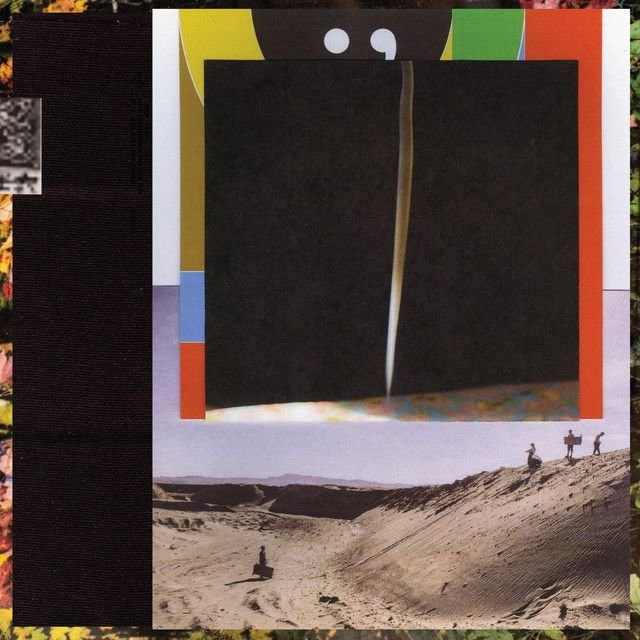
"Jelmore" appears on Bon Iver's 2019 album i,i, released by Jagjaguwar. The album often mixes electronic processing with rootsy instruments, but "Jelmore" is especially lean. Its dry acoustic feel leaves lots of space around Vernon's voice, and that emptiness becomes part of the song's message.
Instead of building to a huge climax, the track stays tense and exposed. The guitar pattern feels repetitive, almost trapped. The vocal delivery is cracked and conversational, as if the singer is trying to report what they see before the words slip away.
This restraint matters. A song about apocalypse could easily become theatrical. "Jelmore" avoids that. Its arrangement makes collapse feel close, plain, and lived-in rather than cinematic.
Why the Lyrics Feel So Cryptic
Bon Iver have long used impressionistic writing. Earlier songs often turned place names and fragmented images into emotional landscapes, while later work became even more abstract. "Jelmore" sits between those styles. It is hard to decode line by line, but easier to feel as a whole.
That is why some critics have found i,i both moving and frustrating. PopMatters argued that Vernon's lyrics on the album often hang between surrealism and clarity. "Jelmore" is one of the stronger examples because its images all pull toward the same fear: a world becoming unlivable while people still try to shop, work, travel, and pretend things are normal.
The Best Reading of "Jelmore"
The strongest reading is that the meaning of Jelmore Bon Iver lies in its mix of prophecy and fatigue. The song warns about environmental and social breakdown, but it does so through ordinary characters and half-broken speech. That makes the warning feel human.
A second reading is more personal. The song may also describe emotional burnout: too much noise, too much threat, too little rescue. The absent help implied by the line about not letting any cavalry come suggests that salvation is not on the way, whether the crisis is global or private.
Final Take on Bon Iver's Quiet Alarm
"Jelmore" is about what it feels like to live near the edge of disaster and still wake up inside routine. Its strange images are not there to confuse for the sake of confusion. They show a world where warning signs, damaged people, and denial all exist at once.
That is why the song lingers. They turn climate dread and modern helplessness into something intimate, eerie, and sadly recognizable.
Disclaimer: This interpretation is based on the released song, credited context, and critical discussion. Bon Iver's lyrics are often intentionally open, so other readings may also be valid.








