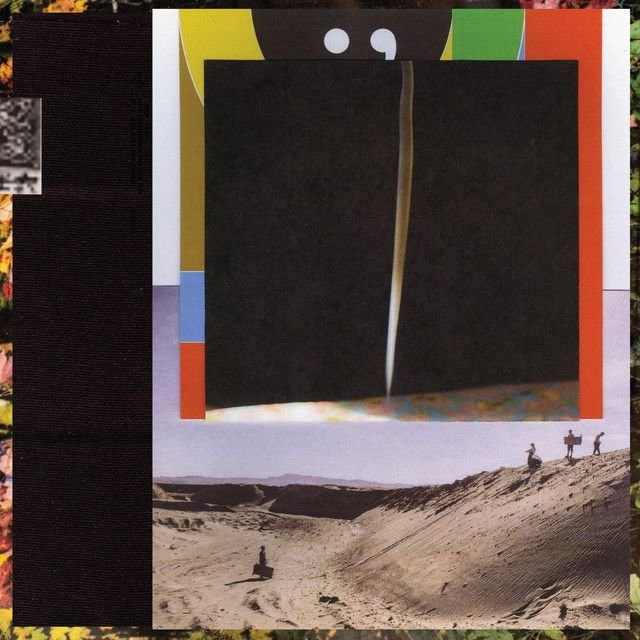
RABi by Bon Iver
Why This Closing Track Feels So Peaceful
The meaning of RABi Bon Iver starts with its position. It closes i,i, the 2019 album that Bon Iver described as part of a wider seasonal arc in their catalog, and it sounds like a final exhale after a tense journey. According to Bon Iver's i,i page, the album was presented as a late-summer record, full of gathering, reflection, and human connection.
"RABi" - Bon Iver
Well it's all just scared of dying
But isn't this a beach?
Loading lyrics...
Unable to load lyrics
We're unable to display the lyrics at this time. Please try again later.
That context matters because “RABi” feels like the album’s soft landing place. Instead of ending in confusion, it ends in acceptance. The song faces fear, especially fear of change and death, but it does not stay trapped there. It moves toward a hard-won calm.
Watch the official RABi
music video
What the Song Is Really About
At its core, “RABi” is about living with uncertainty. The speaker seems to admit that people are frightened, defensive, and often desperate for control. Early on, the song says people are scared of dying
, which frames the rest of the track. That line is not just about literal death. It also suggests fear of endings, aging, loss, and emotional surrender.
From there, the song asks what people do with that fear. They chase comfort, hide from pain, and try to make sense of life. But “RABi” also suggests that too much grasping can make people miss the present. When the song turns toward release, sunlight, and ease, it offers a different path: not certainty, but acceptance.
Interpretation: The song’s main idea is that peace does not come from solving every problem. It comes from learning to live without a perfect escape plan.
How the Verses Move From Fear to Release
The verses are full of strange, slippery language, which is typical of Justin Vernon’s writing. Still, the emotional direction is clear. The song begins in tension, then slowly loosens.
One key moment recalls childhood. The speaker says they were once reckless or unaware, then grew into adults who are deeply anxious. That shift gives the song its emotional center. As children, people move before they fully understand danger. As adults, they often understand too much and freeze.
That idea becomes even clearer in the lines about running and hiding for a little peace. The word verified
gives the thought a modern edge. It sounds like a world where people want proof, safety, and approval before they can relax. Bon Iver turns that into a quiet critique: even peace has become something people try to certify.
The Chorus and the Question of “Release”
The song keeps returning to a simple question: what of this release?
Before and after that phrase, the lyrics suggest that some relief is possible, but not total relief. There is warmth in the world. There is sunlight. There is even a sense that life can still feel good.
Some life feels good now, don't it?
Don't have to have a leaving plan
Those lines are small but important. They do not promise a cure for anxiety. Instead, they say a person does not need to prepare an exit from every hard feeling. That is what makes the chorus feel mature rather than naive.
Another striking idea appears when the song says it's all fine
or it's all crime
anyway. The phrase sounds paradoxical, but that is the point. Life can feel beautiful and broken at the same time. “RABi” does not solve that contradiction. It asks listeners to live inside it.
Images of Water, Sand, and Shared Memory
One of the song’s gentlest scenes describes six people sitting by a creek, handling the earth and looking around. It is one of the most grounded moments in a song full of abstract thoughts. The natural setting slows everything down.
This memory matters because it gives the song a human scale. Fear of death is enormous, but friendship and shared time make it bearable. The image of sand and time hints at mortality, yet the scene does not feel tragic. It feels soothing, almost medicinal, like the song’s mention of something “anodyne,” or pain-relieving.
Interpretation: That creekside memory may represent the kind of presence the whole song is reaching for. Instead of trying to master life, people can sit inside it together.
How the Sound Supports the Meaning
Production is a big part of the meaning of RABi Bon Iver. The track was written by Bradley Cook, Justin Vernon, and Michael Lewis, and the arrangement keeps things warm and open rather than dramatic. On the album credits, the song is listed within the collaborative world of i,i, which helps explain its communal feel.
The rhythm has an easy sway. The instrumentation blends acoustic warmth with soft studio texture, creating a sense of motion without urgency. Vernon’s vocal delivery is especially important. They sound close, calm, and lightly weathered, as if speaking after a long period of struggle rather than in the middle of a storm.
That matters because the music never pushes the lyrics into panic. Even when the words wrestle with fear, the arrangement keeps offering emotional space. The result is a song about anxiety that does not sound anxious. It sounds lived-through.
A Few Plausible Readings
There is no single official key to every line in “RABi,” so a few readings can sit side by side.
Reading One: A Song About Mortality
The strongest reading is that the song faces death directly and asks how people keep living under that knowledge. This view fits the opening fear, the time imagery, and the repeated search for release.
Reading Two: A Song About Letting Go of Control
Another reading is more psychological. The song may be about dropping the need to manage every outcome. In that version, the lack of a “leaving plan” becomes a sign of trust rather than surrender.
The Lasting Meaning of “RABi”
What makes “RABi” memorable is not a big reveal. It is the grace of its ending. The song suggests that fear is real, adulthood is heavy, and peace is never complete. Still, there are moments when sunlight feels good, friends are near, and the mind loosens its grip.
That is the meaning of RABi Bon Iver in the simplest terms: people may never escape uncertainty, but they can learn to rest inside it for a while. That is a modest message, yet Bon Iver makes it feel profound.
Disclaimer: This interpretation is based on the lyrics, recorded performance, and available artist context. Like many Bon Iver songs, “RABi” remains open to personal reading.









