How ‘Wanted Dead or Alive’ Turns Touring into Legend
They took the backstage grind and made it myth. Bon Jovi’s “Wanted Dead or Alive” reframes life on tour as a dusty Western—half ballad, half boast—where the hero rolls into town, does the job, and rides out before dawn.
"Wanted Dead Or Alive" - Bon Jovi
Everyday it seems we're wasting away
Another place where the faces are so cold
Loading lyrics...
Unable to load lyrics
We're unable to display the lyrics at this time. Please try again later.
What This Anthem Really Says About the Road
At heart, the song is a portrait of fame’s push and pull: adoration onstage, emptiness off it. The hook wanted dead or alive
captures how a public figure can be loved and hunted at once—celebrated when they deliver, criticized when they don’t.
For readers searching the meaning of Wanted Dead Or Alive Bon Jovi fans often cite, the message is simple: glory and loneliness coexist. Touring raises them up at night, then leaves them staring at the ceiling by morning.
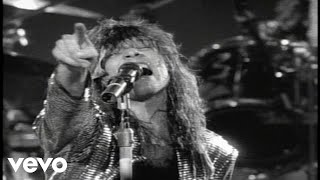
Watch the official Wanted Dead Or Alive
music video
The Narrator as Outlaw: Why the ‘Cowboy’ Matters
The singer speaks in first person, not as a ranch hand but as a rock star wearing the cowboy’s myth. When he says on a steel horse I ride
, the “horse” is the tour bus, and it turns endless highways into open range. The image suggests motion without rest, fame without a fixed home.
Tools replace weapons. A guitar becomes a loaded six string
, which hints at risk and power in performance. He shoots songs instead of bullets, yet the stakes feel lethal because his livelihood depends on that nightly showdown with the crowd.
A Road-Worn Timeline You Can Picture
- Dawn: Another town, another venue—faces blur together.
- Midday: Interviews, soundcheck, the same fluorescent hallways.
- Night: He plays; adrenaline spikes. He tells us
I play for keeps
, so failure is not an option. - After: The hotel quiet arrives. He admits
sometimes it's not for days
when it comes to sleep, a simple way of saying the pace breaks the body clock. - Memory: The career rolls on;
I've seen a million faces
compresses years of travel into one line about scale and stamina.
How the Sound Builds the Myth
Musically, it’s a power ballad with a country-rock tint. The acoustic intro sets a Western mood, soon joined by brushed drums and arena-sized guitars. Producer Bruce Fairbairn shapes the dynamics so the track rises from campfire hush to coliseum roar.
Richie Sambora’s parts do double duty. His ringing 12‑string textures (often highlighted in live versions) sketch the frontier vibe, while his melodic solo adds lift rather than flash. Jon Bon Jovi’s slightly grainy vocal sells the fatigue and defiance, sitting between confession and call to arms.
Why the Chorus Hits the American Nerve
The refrain works because it frames performance as survival. Wanted dead or alive
isn’t about legal bounty; it’s about reputation. If they crush the set, the legend grows; if they don’t, the same fame turns on them. That tension fuels the swagger of I play for keeps
—the band must deliver every night or risk being written off.
Context That Shapes the Song’s Legacy
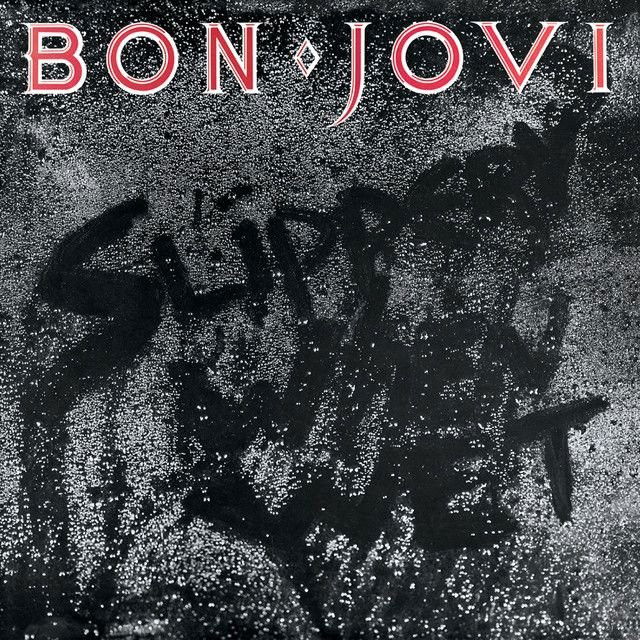
Released as a single in 1987 from Slippery When Wet, it reached No. 7 on the Billboard Hot 100 and became a signature Bon Jovi track in the U.S. Their stripped‑down 1989 MTV Video Music Awards performance with two acoustic guitars helped inspire the broader “Unplugged” wave, proving the song’s bones were strong without full production.
Over time, it has earned multi‑platinum certifications and heavy cultural use, including as a theme for Deadliest Catch. Those milestones matter to the meaning: the public kept treating the band like Western heroes, replaying their myth on TV, radio, and stages across the country.
Symbols and Motifs, Decoded
- Cowboy: The rock star as outlaw—celebrated and suspect.
- Steel horse: The tour bus as freedom machine and cage.
- Six string: The weapon/tool that earns the next meal.
- The bottle/daylight: Quick markers of time lost to the road.
- Faces/towns: Fame’s blur, where people merge into a crowd.
Taken together, these images create a self-made legend. They’re not bragging about crime; they’re confessing to a schedule that feels lawless.
Alternate Readings You May Hear
- Interpretation: Hustle anthem. The song can be an American work ethic parable—show up, do the job, no excuses. The outlaw mask is a mindset for high-pressure work.
- Interpretation: Lonely lament. Others hear a warning about burnout. The cowboy metaphor adds style, but the core is isolation and fatigue.
Both readings fit because the track balances grit and glow—triumph onstage, emptiness off it.
Final Takeaway
The meaning of Wanted Dead Or Alive Bon Jovi captures is this: life on the road turns ordinary labor into legend, and legend into burden. That’s why the chorus still hits—it’s a promise to keep riding, even when the trail gets cold.
Disclaimer: Interpretation is subjective. This analysis blends reported context with close reading of the lyrics and sound.








