Why Aladdin’s Reprise Reveals His Real Self
When people search for the meaning of One Jump Ahead (Reprise) Brad Kane, they are usually hearing more than a short callback in Aladdin. This reprise is tiny, but it does a major job in the story. It slows the movie down, strips away the chase energy, and lets Aladdin say what the crowd never sees: he is poor, judged, and still convinced he is meant for more.
"One Jump Ahead (Reprise)" - Brad Kane
If only they'd look closer
Would they see a poor boy?
Loading lyrics...
Unable to load lyrics
We're unable to display the lyrics at this time. Please try again later.
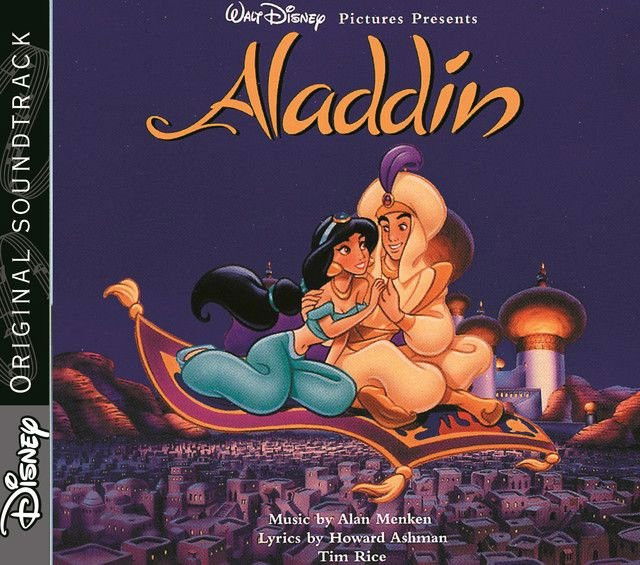
According to the song entry, Brad Kane performs the number for Disney’s 1992 Aladdin, with music by Alan Menken and lyrics by Tim Rice. In the film, the reprise comes after the marketplace excitement and after Aladdin has been mocked and chased. That placement matters. It turns public chaos into private truth.
The Small Song With the Big Point
At its core, this reprise is about identity versus reputation. The world around Aladdin calls him names and reduces him to a stereotype. He pushes back, not with anger alone, but with a plea to be seen correctly.
The key emotional turn comes when he rejects the label riff-raff
and street rat
. He is not just denying insults. He is saying that people confuse poverty with worthlessness. That is the heart of the song.
Interpretation: the reprise works like Aladdin’s quiet mission statement. He cannot change his social rank yet, but he can name the gap between who people think he is and who he knows he is.
Watch the official One Jump Ahead (Reprise)
music video
A Character Sketch in Just a Few Lines
The full “One Jump Ahead” introduces Aladdin through speed, jokes, and survival instinct. The reprise keeps the same idea but removes the performance. What remains is the person underneath.
He imagines what might happen if only they’d look closer
. That phrase matters because it shifts the issue from crime to perception. The problem is not only that he steals food. The problem is that nobody bothers to see context, pain, or potential.
Then the song deepens. When he wonders whether they would see a poor boy
, he is already answering his own question. No, they would stop before even getting that far. They see a category, not a human being.
Would they see a poor boy?
No, siree
There’s so much more to me
Those few lines contain the whole emotional engine of Aladdin’s arc. He is poor, yes, but he refuses to believe poverty is his full definition.
What the Reprise Adds to the Movie
In story terms, this reprise is crucial because it gives Aladdin an inner life before the fantasy plot takes over. Without it, he could seem like only a charming trickster. With it, he becomes a dreamer who feels trapped by class.
The Disney Wiki summary notes that the reprise arrives in a softer, more dramatic tone as Aladdin and Abu head home, and that the melody becomes a recurring musical sign for Aladdin across the film. That is important because the music is not just repeating a catchy hook. It is repeating his struggle.
This is also why the song helps connect early Aladdin to later Aladdin. When he meets Jasmine, wants a better future, and eventually pretends to be someone else, the seed of that conflict is already here. He has always believed there is “more” inside him. The danger is that he later tries to prove it through disguise instead of truth.
How the Music Changes the Meaning
The original “One Jump Ahead” is fast, busy, and theatrical. It runs on percussion, motion, and comic timing. The reprise does the opposite.
Its softer delivery makes the words land harder. Brad Kane sings with less swagger and more ache, which lets listeners hear hurt beneath Aladdin’s confidence. The melody, now calmer, sounds less like escape music and more like longing.
That contrast is smart songwriting from Menken and Rice. The same musical idea can mean two things:
- in the full song, survival
- in the reprise, self-recognition
- across the film, restless hope
Because the arrangement is lighter, the listener focuses on emotional subtext. The reprise is not about outrunning guards now. It is about outrunning a false identity.
Themes Hiding Inside a Simple Refrain
Several themes meet in this short number:
Class and social judgment
Aladdin lives at the bottom of Agrabah’s social order. The insults aimed at him show how quickly society turns hardship into shame.
Hidden worth
The line about there being so much more to me
is the song’s central claim. Aladdin believes his value exists before anyone rich or powerful approves it.
Loneliness
Even though the lyric is brief, it carries isolation. He is surrounded by people but not understood by them.
The dream of reinvention
Interpretation: this reprise quietly sets up the entire fantasy of becoming Prince Ali. If the world will not look closer, Aladdin may feel pushed to become someone impossible to ignore.
Why This Reprise Still Connects
Part of the staying power of the meaning of One Jump Ahead (Reprise) Brad Kane is that many listeners know this feeling. They may not be fleeing guards across rooftops, but they understand being misread, underestimated, or boxed in.
The song also speaks to a classic American idea: people want to be seen for potential, not just present circumstance. That makes the reprise emotionally direct for audiences in the United States, especially younger viewers who feel judged by surface details.
It helps that the song comes from a hugely successful soundtrack. The Wikipedia entry notes that “One Jump Ahead” earned Gold certification in the United States via the RIAA. That reach has helped even its brief reprise remain memorable.
Final Take on Aladdin’s Quiet Truth
So, what is “One Jump Ahead (Reprise)” really saying? It says Aladdin’s biggest struggle is not only hunger or danger. It is invisibility. He wants people to see past the labels and recognize his dignity, intelligence, and promise.
That is why this short reprise matters so much. It turns a fun chase song into a statement about class, self-worth, and the need to be known.
Interpretation disclaimer: song meaning can vary by listener. This reading is based on the lyrics, film context, and documented production history, but it is still an interpretation rather than an official final answer from the creators.







