Why Brad Paisley's Fishing Joke Still Works
The meaning of I'm Gonna Miss Her Brad Paisley starts with a simple country-comedy setup: a girlfriend gives an ultimatum, and the narrator chooses fishing. That sounds shallow on paper, but the song lasts because it is not just about picking a hobby over romance. It is about stubbornness, male pride, and the way a joke can reveal a real truth.
"I'm Gonna Miss Her" - Brad Paisley
But I love to fish
I spend all day out on this lake
Loading lyrics...
Unable to load lyrics
We're unable to display the lyrics at this time. Please try again later.
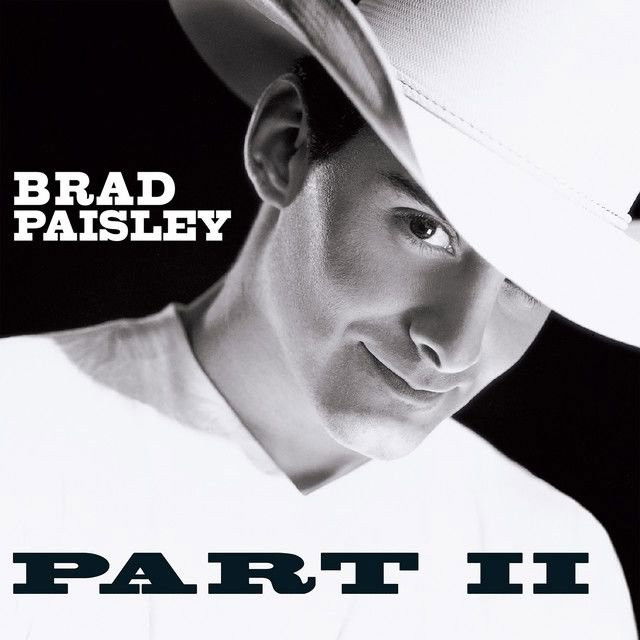
Brad Paisley released "I'm Gonna Miss Her (The Fishin' Song)" as a single from Part II in 2002. It was written by Paisley and Frank Rogers, produced by Rogers, and became a No. 1 country hit, while also crossing over to the Billboard Hot 100. Those facts matter because they show how a novelty idea turned into one of Paisley's signature songs. It worked not despite the joke, but because the joke was so clean and clear.
The Core Idea Hiding Inside the Punchline
On the surface, the story is easy to follow. A woman tells the narrator he must choose between her and the lake. He hears the warning, understands the cost, and still goes fishing.
That is why the chorus lands so well. When he says I'm gonna miss her
, it sounds like regret. Then the song flips the moment with I've got a bite
. The emotional confession instantly becomes a punchline.
Interpretation: the song is really about priorities exposed under pressure. The narrator may care about the relationship, but when forced to choose, he chooses the life that feels most natural to him. The humor comes from honesty, not cruelty.

Watch the official I'm Gonna Miss Her
music video
How the Verses Build the Joke Step by Step
Paisley and Rogers write the scene like a short comic sketch. First, the narrator admits affection for his partner, but he quickly pairs that with love for fishing. That balance sets up the whole song.
Then the girlfriend arrives with a deadline. Phrases like have to choose
and gone by noon
make the threat sound final, not casual. There is no confusion about what is at stake.
After that, the narrator considers rushing home to fix things. But even this moment is undercut by temptation. The water is perfect, the weather is right, and he starts imagining the fish he could catch. In story terms, that is the point of no return.
Why the Chorus Changes the Meaning
The chorus does not deepen his sadness; it exposes his self-deception. He claims the loss will hit later, perhaps when he walks through the door that night. But in the present tense, he is still content on the shore.
That gap matters. He is not mourning now. He is postponing emotion. The line sittin' in the sun
keeps the mood bright and easy, which makes the coming breakup feel oddly weightless.
Fishing as More Than a Hobby
A big part of the meaning of I'm Gonna Miss Her Brad Paisley is what fishing represents. In country music, outdoor rituals often stand for independence, routine, and identity. Here, the lake is not just recreation. It is the place where the narrator feels most like himself.
Interpretation: the song suggests he does not simply prefer fishing to this one argument. He prefers a version of life with fewer demands, fewer emotional negotiations, and more control. The girlfriend asks for commitment; the lake asks only patience.
That is why the repeated lake shore
image matters. It places him in a space of comfort while the relationship exists offstage, back at home, becoming more distant by the minute.
Why Brad Paisley Was the Right Artist for It
Paisley built much of his early career on mixing virtuoso playing with wit. According to Songfacts, he later said songs like this got a big reaction because funny songs still have to feel sincere. That helps explain why the narrator does not sound mean-spirited. He sounds matter-of-fact, even sheepish.
Research on the song's history also adds context. Sources note that Paisley and Frank Rogers first wrote it during their Belmont University years for a student performance, aiming to make people laugh. Later, after Paisley signed with Arista Nashville, other major country artists reportedly showed interest, but he kept it and recorded it for Part II.
That choice was smart. His easy vocal style and playful timing make the premise feel charming instead of harsh.
How the Sound Sells the Story
The production is as important as the lyrics. The track has a brisk honky-tonk feel, with bright guitar work, fiddle, steel guitar, and a rhythm section that never gets heavy. Instead of sounding like a breakup ballad, it sounds like a sunny afternoon.
That contrast is the whole point. If the arrangement were sad, the joke would collapse. Because the music stays light, listeners are invited to laugh at the narrator's terrible decision.
Paisley's guitar presence also matters. His picking gives the song motion and personality, almost like a grin in musical form. The instrumental bounce tells listeners not to over-read his sorrow in real time.
The Video Made the Humor Even Bigger
The music video pushed the concept further with celebrity cameos and a bigger comic world. Research notes it was directed by Peter Zavadil and featured Kimberly Williams, Dan Patrick, Jerry Springer, Little Jimmy Dickens, and Hank Parker. That over-the-top approach matches the song's tone: not realism, but exaggerated country sitcom.
It also helped cement the track as entertainment first, confession second.
Why the Song Endures
The song has lasted because it captures a familiar human flaw: people often know what they should do, then choose what they want in the moment. Very few songs express that weakness with this much charm.
So the meaning of I'm Gonna Miss Her Brad Paisley is not that love means nothing. It is that habits, identity, and pleasure can overpower good sense. Paisley turns that truth into a joke, and the joke keeps working because listeners recognize the behavior immediately.
Disclaimer: This interpretation separates documented facts about the song's release and history from critical reading of its lyrics, tone, and symbolism. Meaning can vary from listener to listener.








