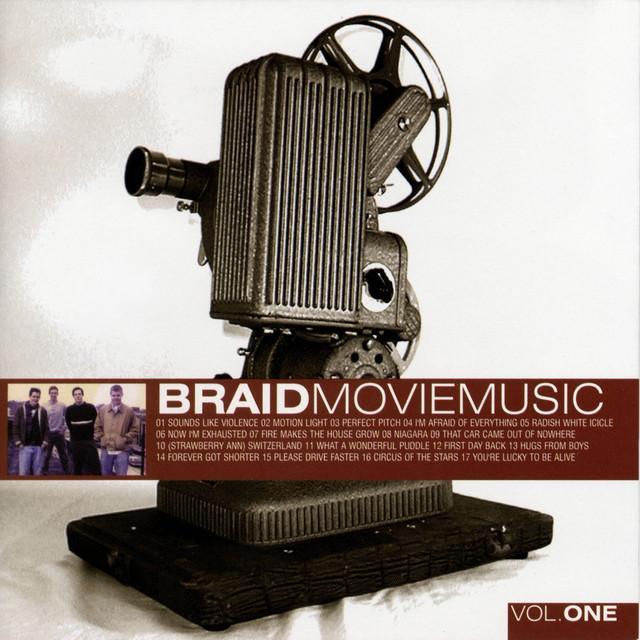
Forever Got Shorter by Braid
A love song, a breakup song, and a song about writing songs all at once, this track turns romance into something unstable and painfully self-aware.
"Forever Got Shorter" - Braid
Provided by LyricFindlet's go undercover
Like young lovers should
Cause I can kiss you betterLoading...Loading lyrics...
Unable to load lyrics
We're unable to display the lyrics at this time. Please try again later.
Why the meaning of Forever Got Shorter Braid still hits
The meaning of Forever Got Shorter Braid centers on love that feels real but cannot stay fixed. The song follows a speaker who wants closeness, but keeps running into distance, delay, and the limits of language. They want to be present in a direct, physical way, yet they keep ending up in letters, songs, and radio signals instead.
That tension is the heart of the track. It is not just about missing someone. It is about fearing that art may become a substitute for a relationship rather than a bridge back to it.
Interpretation: The title suggests that even ideas like forever can shrink. What once sounded permanent now feels brief, fragile, and breakable.

Watch the official Forever Got Shorter
music video
A speaker caught between touch and transmission
Early on, the narrator contrasts physical affection with written communication. When they say kiss you better
, the idea is simple: direct human closeness means more than words on a page. The mention of a letter makes the gap even clearer. They can send feelings, but they cannot guarantee they will land the way they mean them.
That is why the repeated thought about listening matters so much. In the line I listen to you
, the song suggests a one-sided intimacy. They are tuned in deeply, but connection is still uncertain.
Songs inside the song
One of the cleverest parts of the lyric is that it talks about music while being music. The narrator refers to all this music about you
, which makes the track self-conscious. They know they are turning a person into subject matter.
Interpretation: This creates a slightly guilty feeling. The speaker may be sincere, but they also know that writing songs about someone does not equal understanding them.
The emotional timeline beneath the wordplay
The song can be read as moving through four emotional beats:
- Secret closeness. It opens with private, romantic energy, as if the relationship exists in a protected space.
- Distance returns. Letters, covers, and indirect contact suggest separation.
- Self-doubt rises. The narrator starts mocking image, pose, and even their own habits.
- Art replaces contact. By the end, songs and names become the last place where love survives.
This structure helps explain why the lyric feels both tender and restless. The speaker keeps trying to move toward the other person, but each effort bends back into performance, memory, or media.
Nostalgia, style, and the fear of becoming a cliché
A striking line in the middle says Nostalgia is drunk
. In plain terms, memory is unreliable here. The past is not a clean refuge. It is distorted, exaggerated, and emotionally messy.
The song also takes a swipe at appearance and posturing with the line about a passion for fashion
. That phrase broadens the meaning. It hints that the narrator is surrounded by scenes, trends, and personas, where sincerity can be hard to prove.
Interpretation: This may be Braid pushing back against the idea that emotional honesty always looks dramatic. The song admits that frustration can seem attractive, even artistic, but that does not make it healthy or true.
What the chorus idea really means
The key refrain turns on the idea that time itself is unstable. In forever ends
, the song compresses a huge emotional realization into a few words. Love once imagined as lasting now has an endpoint.
There is also a painful irony in the title phrase, which appears as part of a broken thought near the end. Forever is supposed to be endless. If it got shorter, then hope has been cut down to size.
That is why the song feels more complicated than a standard breakup track. It is not only mourning loss. It is mourning the collapse of a fantasy about permanence.
How Braid’s sound carries the message
Braid are widely associated with the Midwestern emo and indie rock scenes of the 1990s, known for angular guitars, urgent rhythms, and emotionally dense lyrics. That broader context helps this song land the way it does.
Even without leaning on full production credits here, the style matters: quick shifts, tangled phrasing, and melodic tension mirror the speaker’s unstable thoughts. The vocals do not sound smooth or detached. They feel pushed, almost breathless, like someone trying to say too much before the moment disappears.
Interpretation: The music’s nervous energy supports the lyric’s main idea. Nothing stays still long enough to become secure. The arrangement makes longing feel immediate, but also unsustainable.
A radio romance that may already be over
Late in the song, the radio becomes important. That image suggests public transmission replacing private conversation. Instead of speaking directly to the person they love, the narrator imagines hearing truth through songs, broadcasts, and names carried back to them.
The closing thought about lips that now shape sad songs is especially revealing, even in paraphrase. The same mouth once used for intimacy now produces art from grief. That is beautiful, but also bleak.
Final takeaway
The meaning of Forever Got Shorter Braid is about how love changes when it has to survive through memory, writing, and music rather than presence. The song captures the moment when devotion is still intense, but the speaker realizes intensity cannot stop time from shrinking the promise of forever.
That mix of romance, self-critique, and scene-aware irony is what gives the track its staying power. It aches, but it also questions its own ache.
Disclaimer: This interpretation is based on the lyrics and Braid’s known style. As with most songs, listeners may hear different meanings in the same lines.








