The Meaning of 'Broken Horses' by Brandi Carlile
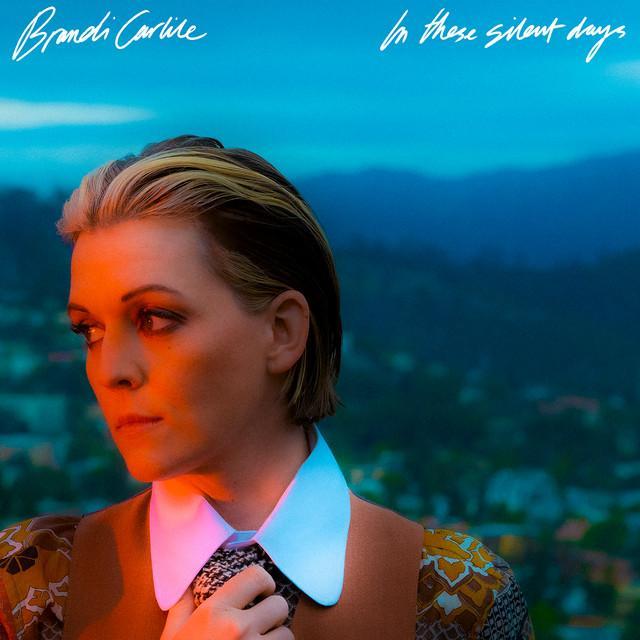
Brandi Carlile turns pain into a rock prayer. On Broken Horses, from 2021’s In These Silent Days, she threads childhood scars, spiritual defiance, and fierce motherhood into one electric charge. The track later earned two major Grammys in 2023, showing how its story cut through.
"Broken Horses" - Brandi Carlile
I'm a tried and weathered woman, but I won't be tried again
Don't think that you can come for me without your Sunday best
Loading lyrics...
Unable to load lyrics
We're unable to display the lyrics at this time. Please try again later.
What this roar is really confronting
At its core, Broken Horses is about refusing to be tamed by shame. The narrator bears family history like armor and decides the cycle stops now. When she snaps, won't be tried again
, it signals a boundary: the trials others imposed will not be repeated.
Carlile’s memoir, also titled Broken Horses, explores poverty, illness, and religious trauma. That context shapes the song’s heat. The title flips “broken” from weakness to wisdom—those who survived breakage know how to move. In plain terms, the meaning of Broken Horses Brandi Carlile is resilience: taking what hurt her and turning it into forward motion.

Watch the official Broken Horses
music video
Who’s speaking—and who gets addressed
The voice is first person, and it aims outward at gatekeepers and ghosts. There’s a spiritual dare in call your priest
, which frames the struggle as a kind of exorcism. She also points the finger at personal and systemic control with No thanks to you
, refusing to carry someone else’s apathy into the next generation.
Interpretation: The “you” can be multiple targets—rigid religion, industry power brokers, or anyone who demanded that she play nice. The clarity comes from how she centers her kids in the picture. The promise is protective: hurt stops here. That stance turns the song from complaint into vow.
The chorus image, decoded
The hook lands with a paradox: tethered in wide open spaces
. Freedom is visible, yet the rope still bites. She then paints danger inside that freedom—running headlong toward the barrel of a gun
. The image captures how marginalized people are told to roam but are punished when they do.
Then comes the line that explains the title: only broken horses know to run
. In ranching terms, “broke” can mean trained. In Carlile’s story, “broken” means wounded yet wise. Interpretation: People who’ve been constrained learn to sense threats early, move fast, and trust their own legs. The chorus reframes damage as instinct—the body now knows what to do.
Symbols that sharpen the edge
- Father’s legacy: The opening’s “leather” image suggests toughness pressed into the skin—inheritance as both weight and shield.
- Performance and control: Jester’s bells and a puppet master hint at years playing roles for applause while someone else pulled the strings.
- Silencing: A “zipper on my back” pictures enforced quiet and shame, like being sewn into a costume.
- Class and witness: “Children in the cheap seats” keeps the stakes personal. They are watching; what she models matters.
- Respectability politics: Sunday best and priests evoke a world where piety is weaponized. The song rejects that bargain.
- Fences and fields: Mending fences while horses run suggests doing someone else’s caretaking instead of claiming one’s own pasture. The runaway horse is the moment of self-claiming.
Each image tilts from submission to defiance. She has worn the costume, kept quiet, and begged nicely. That’s over. The catalog of scenes builds a case for revolt that feels moral, not merely angry.
How the sound drives the meaning home
Musically, Broken Horses is Carlile at her most guitar-forward. Overdriven riffs and a stomping rhythm section push the song into rock territory, while her voice vaults from a low, gritty snarl to a roof-raising belt. Those dynamics mirror the narrative: simmering restraint bursts into open-throated refusal.
Production favors live energy—roomy drums, saturated guitars, and minimal polish—so it feels like a band in a room, not a studio puzzle. That texture matters. The rawness makes the threat and the promise believable. When she leans on a line, the chords flare and the backbeat hits harder, as if the band is drawing a boundary with her.
Alternate readings that fit the evidence
- Interpretation: A letter to institutional religion. The priestly language, respectability dress, and moral disgust (spitting out lukewarm water) echo a faith tradition she’s outgrown. The vow not to pass apathy down becomes a generational blessing.
- Interpretation: A message to the music business. The puppet-master, the zipper, the jester—all read as industry roles. The chorus then claims her rock power as un-tamable, even if that power was forged by hardship.
Both readings end at the same place: agency. She keeps the leather toughness, rejects the shame, and runs.
The takeaway
Broken Horses argues that hurt can be a teacher without becoming a rule. In under five minutes, Carlile reframes “broken” into a survival skill and makes it thunder. That’s why the refrain sticks: running isn’t escape—it’s arrival.
Disclaimer: Song meanings are interpretive and may differ by listener.







