Why "Bubble Gum" Is Sweeter Than It Sounds
The meaning of Bubble Gum Brigitte Bardot comes down to a clever contrast: the song sounds bright, flirtatious, and carefree, but its image of chewing gum turns romance into something temporary, sugary, and hard to get rid of.
"Bubble Gum" - Brigitte Bardot
C'est des histoires à la gomme
L'amour mon vieux, c'est tout comme
Loading lyrics...
Unable to load lyrics
We're unable to display the lyrics at this time. Please try again later.
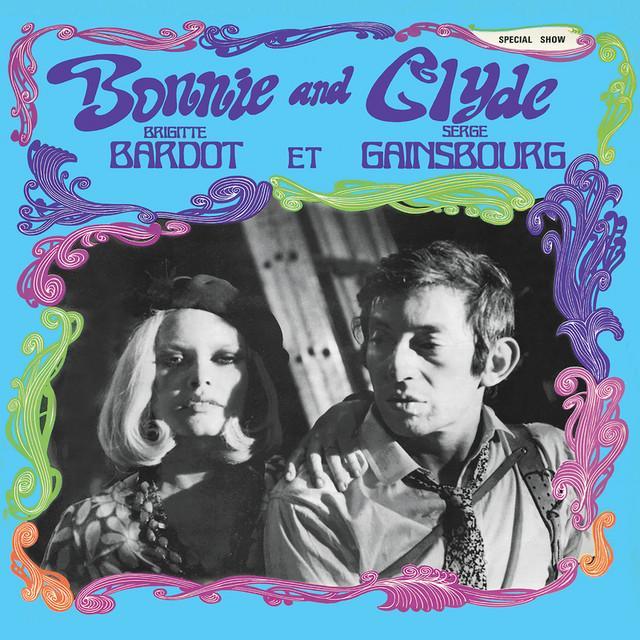
Written by Serge Gainsbourg, the song fits the witty, provocative style that made him one of French pop’s most recognizable writers. Brigitte Bardot, already a major film and music icon in the 1960s, was also part of that era’s playful but stylish pop world. Factually, Gainsbourg wrote songs for Bardot during that period, a partnership well documented in biographies and archives such as Britannica and Encyclopaedia Britannica on Bardot.
A Love Song About Flavor Fading
At its core, the song compares a man and a romance to bubble bubble gum
. That image matters because gum is fun at first: it is sweet, soft, and colorful. But it also loses taste fast. In the song, that shift becomes the emotional plot.
The opening idea says that loving the same man forever is not some grand ideal. Instead, the speaker treats it as something flimsy and unserious. Then the chorus lands on the metaphor: love is like gum, pleasant in the moment but not built to last.
Interpretation: The song is not only mocking one bad romance. It may also be teasing the fantasy of permanent passion itself. By shrinking “true love” down to candy, it cuts against sentimental pop clichés.

Watch the official Bubble Gum
music video
How the Verses Build the Metaphor
Each verse adds a new side to the comparison. First, the man is described in soft, playful ways, almost as if he is light and silly enough to be blown into a bubble. The language around yawning, stretching, and laughing gives him a cartoon quality rather than a heroic one.
Then the memory turns intimate. The speaker recalls how he was tendre et sucré
—tender and sweet. That sweetness is important because it sounds affectionate, but it also sets up the fall. Soon after, he has perdu ta saveur
, or lost his flavor. The relationship has gone flat.
That progression is the key to the meaning of Bubble Gum Brigitte Bardot: attraction fades, and charm alone cannot keep desire alive.
Sticky, Disposable, and Still Hard to Escape
The song’s sharpest twist comes near the end. The speaker suggests wanting to throw him away, like used gum. But they cannot do it cleanly, because he still colles aux semelles
—he sticks to their soles.
That is a funny image, but it also changes the emotional stakes. The problem is no longer just boredom. It is attachment. Even after the sweetness is gone, the person remains irritatingly present.
The clever emotional turn
This is where Gainsbourg’s writing stands out. The metaphor moves through three stages:
- pleasure
- loss of flavor
- unwanted residue
That last stage gives the song its bite. Many pop songs stop at “love fades.” This one says faded love can still cling.
Tu as perdu ta saveur
Mon bubble bubble gum
In those brief lines, the song moves from affection to complaint without losing its catchy smile.
Brigitte Bardot’s Delivery Matters
Bardot’s public image matters to the song’s effect. She was associated with glamour, ease, sensuality, and a kind of effortless cool, as noted by sources like Britannica. When a voice like hers sings a lyric this cheeky, the tone becomes part of the meaning.
Rather than sounding heartbroken, the performance tends to feel teasing and detached. That keeps the song from turning heavy. They present disappointment as wit.
Interpretation: This light delivery may suggest self-protection. Instead of openly grieving, the speaker turns a failed relationship into a stylish joke. That choice makes the song feel modern even now.
How the Sound Supports the Message
Musically, the track sits in the orbit of 1960s French pop, often called yé-yé: catchy melodies, brisk rhythm, bright arrangement, and an airy surface. That sonic sweetness mirrors the candy image in the lyric.
The production likely aims for bounce rather than drama. A tune like this works because the music keeps moving forward while the lyric quietly grows more cutting. The listener hears something light, while the words describe emotional wear and residue.
That contrast is central to the meaning of Bubble Gum Brigitte Bardot. If the song were slow and tragic, the metaphor would feel obvious. Because it is playful, the critique lands more elegantly.
A Small Song With a Big Point
What makes “Bubble Gum” memorable is its economy. In a few compact verses, it says that desire can be sweet, repetitive, disposable, and stubborn all at once. It does not pretend every romance is eternal. It suggests some relationships are enjoyable mainly because they are brief.
There is also a subtle power move in that idea. The speaker refuses to worship the man at the center of the song. They reduce him to texture, taste, and mess. That reversal gives the lyric its charm.
Final takeaway
The meaning of Bubble Gum Brigitte Bardot is less about innocent flirtation than about love’s short shelf life. It frames romance as something delightful at first, disappointing soon after, and annoyingly difficult to shake off.
That mix of sweetness and sarcasm is exactly why the song lasts.
Disclaimer: This interpretation is based on the lyrics, performance, and historical context. As with many pop songs, listeners may reasonably hear different shades of meaning.








