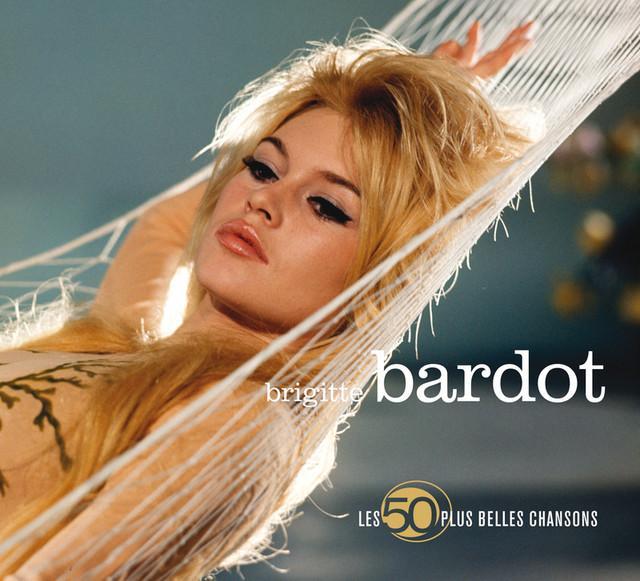
Why ‘Je danse donc je suis’ Chooses Freedom
The meaning of Je danse donc je suis Brigitte Bardot starts with a clever twist on a famous philosophical idea. Instead of grounding identity in thought, the song grounds it in motion. In this world, to dance is to exist.
"Je danse donc je suis" - Brigitte Bardot
Je dan-se, donc je suis
Tu dan-ses et je te suis
Loading lyrics...
Unable to load lyrics
We're unable to display the lyrics at this time. Please try again later.
That makes the song feel light on the surface, but its message is sharper than it first appears. Beneath the playful rhythm, it draws a line between pleasure and possession, flirtation and commitment, movement and being trapped.
A Pop Song Built on a Philosophical Joke
Brigitte Bardot recorded music as part of her larger image as a French pop-culture icon of the 1960s, a period when yé-yé pop often mixed charm, irony, and modern femininity. The song itself was written by Jean-Claude Massoulier and André Popp, the latter a noted French composer and arranger associated with stylish orchestral pop.
The title echoes Descartes’ famous formula, but changes the center of meaning. Instead of “I think,” the song says Je danse donc je suis
. In simple terms, the singer treats dance as proof of life, freedom, and selfhood.
Interpretation: This is not just a joke. It suggests that the body, not abstract reason, becomes the place where identity feels most real.
Watch the official Je danse donc je suis
music video
The Core Message: Pleasure Without Surrender
The speaker addresses a partner who seems to read dancing as a sign of deeper romantic promise. The song pushes back hard against that assumption. When they say pas pour la vie
, the message is clear: following someone on the dance floor does not mean giving them a future.
That distinction matters throughout the lyric. The singer is not cold or emotionless. They simply refuse to let desire turn into ownership. A shared moment can stay a shared moment.
In that sense, the song is about boundaries. It says enjoyment does not equal commitment, and attraction does not cancel independence.
How the Verses Build That Boundary
The first section sets the rules. The speaker follows the partner, but immediately explains that this is for the dance, not for romance. That contrast gives the song its tension. One person wants to read emotional meaning into the encounter; the other keeps the frame narrow and honest.
A later line reinforces this resistance to attachment with je ne me fixe pas
. The idea is broader than refusing one specific lover. They are saying they do not settle easily, and they do not grow roots on command.
Another striking phrase, je ne prends pas racine
, deepens that image. The refusal is almost physical. They are not a tree, not fixed in place, and not ready to be claimed.
A Small Opening in the Middle
What makes the song more interesting is that it does not stay completely closed. In the second part, the singer admits that one day things might change. After the dance ends, they might get caught by real feeling.
That possible shift keeps the song human. It is not a manifesto against love. It is a defense against forced love, premature love, or love assumed too soon.
There is even a teasing uncertainty in peut-être toi
. Maybe the person in front of them could become important. But maybe not. The point is choice. The future cannot be demanded in the present.
The Chorus as the Song’s Real Argument
The repeated hook gives the track its philosophy and its emotional center. Each return to Je danse donc je suis
restates a simple truth: dancing is not a side activity here. It is the singer’s way of being fully alive.
Interpretation: The chorus also turns dance into a metaphor for temporary freedom. On the floor, identity stays fluid. They can move close, then away. They can be social, sensual, and playful without becoming defined by another person.
That is why the repeated contrast between dance and life matters. “Life” in the song means permanence, obligation, and a future mapped out by someone else.
How the Sound Carries the Meaning
Even without quoting much, the musical feel helps explain the lyric. The arrangement fits the polished French pop style of its era: buoyant rhythm, clear melodic structure, and a sense of elegance rather than heaviness. That kind of production makes the refusal in the words sound breezy instead of bitter.
This matters. If the song were musically dark or dramatic, the message might sound defensive. Instead, the light groove suggests confidence. The singer is not running from love in panic; they are enjoying the present on their own terms.
Bardot’s performance style also supports that reading. Their vocal persona often balanced cool distance with flirtation, and that combination suits a lyric about invitation without surrender.
A Feminine Voice of Control
For many listeners, one of the strongest parts of the song is its reversal of expectation. In older pop narratives, women were often written as waiting, longing, or yielding. Here, the female speaker sets the rules.
They tell the partner not to dramatize the moment and not to confuse access with entitlement. The song’s confidence comes from that reversal. It allows desire, but it keeps agency with the speaker.
Interpretation: This can make the song feel quietly feminist, even if it is delivered with wit rather than protest. The singer claims the right to pleasure without immediate emotional duty.
Final Take on the Song’s Meaning
So, the meaning of Je danse donc je suis Brigitte Bardot is not just about liking to dance. It is about using dance as a symbol of freedom, self-possession, and present-tense joy. Romance may be possible, but it must arrive naturally, not as a price for intimacy.
That balance is what gives the song its staying power. It is playful, stylish, and easy to hear as a light pop number, yet it also says something lasting about autonomy.
Disclaimer: This interpretation is based on the lyrics, performance, and historical style of the recording. As with any song, listeners may hear different meanings in it.








