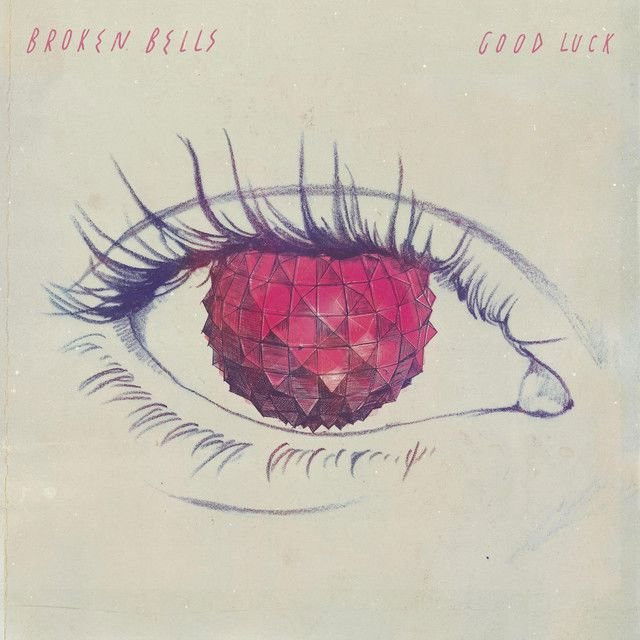
Why ‘Good Luck’ by Broken Bells Feels So Uneasy
The meaning of Good Luck Broken Bells starts with a contradiction: the song sounds smooth, even beautiful, but the words look at fear, violence, and moral confusion. Released as a standalone single in 2019, it arrived before Into the Blue but was recorded during those album sessions. Broken Bells said they wanted to release it while it felt timely and tied to their talks about “the state of things,” which helps frame the song as a response to a world that feels unstable and hard to trust.
"Good Luck" - Broken Bells
The face of evil is on the news tonight
We see the darkness over light
Loading lyrics...
Unable to load lyrics
We're unable to display the lyrics at this time. Please try again later.
The track was released on September 27, 2019, through AWAL, and it marked another chapter in the duo’s long-running partnership between James Mercer and Danger Mouse. It also features additional vocals from Alexandra Savior. Critics often heard the same tension listeners do: a sleek, psychedelic surface carrying anxious, almost apocalyptic ideas.
A World in Crisis, Seen Through Private Fear
At its core, the song is about living in a damaged public world while also carrying private guilt and helplessness. The opening turns outward first. It points to headlines, conflict, and a sense that evil is visible everywhere. When the singer mentions the face of evil
, they are not just talking about one person or event. They seem to be describing a media age where horror is constant and impossible to ignore.
Then the lyric asks whether people have really lived in better times. That question matters because it stops the song from becoming simple doom. Instead of saying everything is worse now, it wonders whether people only imagine a better past. The line about colors turning to black and white
suggests a loss of nuance. In a frightened culture, everything gets divided into heroes and villains, certainty and panic.

Watch the official Good Luck
music video
The Dream Sequence Changes the Meaning
Midway through, the song gets more personal and more disturbing. The narrator describes another life and a dream where there is blood on my hands
. That phrase is short, but it carries huge weight. It suggests guilt, complicity, or the feeling of being tied to violence even when no one else sees it.
Interpretation: This is where the song becomes more than social commentary. They may be singing about the way modern crises seep into private conscience. Even if someone is not directly causing harm, they may still feel involved, numb, or morally compromised.
The dream also creates uncertainty. Is the singer confessing something real? Probably not in a literal sense. More likely, the dream works as a symbol. It gives form to collective anxiety: people wake up every day to bad news and carry a lingering sense that something is deeply wrong.
After the twilight, always a sunrise
But the blood of morning comes
This is the song’s one sharp twist of hope into horror. Sunrise should mean renewal. Instead, morning arrives stained by conflict. The image says that even new beginnings are contaminated.
What the Chorus Really Means
The chorus sounds warm on first listen, but it is not reassuring. Repeating Good luck, my friend
feels less like a blessing than a weary farewell. It sounds like someone speaking to another person in a collapsing situation, knowing words are too small to fix it.
The next phrases deepen that sadness. Time will run out. The land feels dead. A heart is placed in someone else’s hands. That emotional handoff is important. The chorus imagines trust and vulnerability in a world that does not deserve either.
Interpretation: The chorus may be about friendship under pressure, but it can also be heard as a message to humanity itself. “Good luck” becomes a final, almost helpless wish for survival.
Broken Bells’ Sound Turns Anxiety Into Atmosphere
Part of the meaning of Good Luck Broken Bells comes from how it sounds. Danger Mouse and Broken Bells produced the track, and the arrangement is measured rather than explosive. Reviews described the instrumental as understated, psychedelic, and cinematic, which fits the song’s effect. It moves like a slow drift through smoke instead of a sudden panic attack.
That choice matters. If the music were louder or harsher, the lyrics might feel preachy. Instead, the calm groove makes the dread feel normal, almost everyday. Mercer’s vocal delivery is reflective rather than dramatic, which gives the song a haunted restraint.
Alexandra Savior’s added vocals also matter. They widen the emotional space without changing the central mood. Her presence makes the song feel less like a lone confession and more like a shared state of mind.
Artist Context Helps Explain the Song
Broken Bells have always mixed melody with unease, but “Good Luck” pushes that balance toward social anxiety. According to a joint statement from Mercer and Danger Mouse, they released it because it felt timely and reflected conversations they were having about current conditions. That does not lock the song into one event. Instead, it suggests they were writing from a broad feeling of political and cultural strain.
That helps explain why the lyrics stay symbolic. They mention signs of collapse without naming a single cause. This keeps the song open. Listeners can hear war, media overload, moral exhaustion, or environmental dread inside it.
A Song About End Times—or Everyday Life?
There are at least two strong readings of the song:
- Social reading: It describes a society watching itself decay through screens, slogans, and conflict.
- Personal reading: It describes an individual wrestling with guilt, numbness, and the fear that hope no longer works.
The reason the song lasts is that both readings support each other. Public disaster becomes private anxiety. Private anxiety makes the public world feel even darker.
The Lasting Takeaway
The meaning of Good Luck Broken Bells is not simply that the world is ending. It is that people can feel trapped between awareness and helplessness, seeing what is wrong but unsure how to change it. The song turns that feeling into something graceful, eerie, and sadly human.
That is why it lingers. It does not shout its warning. It sighs it.
Disclaimer: This interpretation is based on the released recording, public artist comments, and critical context. As with most songs, meaning can remain open to listener interpretation.









