Why 'Run to You' Feels So Wrong and So Catchy
The song’s real tension sits in plain sight
The meaning of Run to You Bryan Adams starts with a blunt idea: this is a song about infidelity, temptation, and emotional split-screen. The narrator has a loyal partner, but keeps going back to someone else for excitement. That moral conflict is not hidden. It is the engine of the whole track.
"Run to You" - Bryan Adams
But that'd change if she ever found out about you and I
Oh, but her love is cold
Loading lyrics...
Unable to load lyrics
We're unable to display the lyrics at this time. Please try again later.
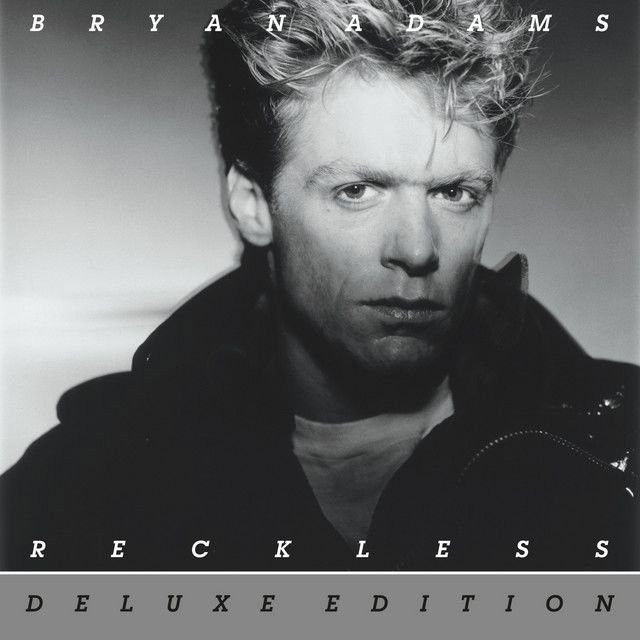
Released on October 18, 1984, as the lead single from Reckless, “Run to You” became one of Bryan Adams’ biggest hits, reaching No. 6 on the Billboard Hot 100 and No. 1 on the U.S. Top Rock Tracks chart, according to chart information summarized by Wikipedia. It was written by Bryan Adams and Jim Vallance, with production by Adams and Bob Clearmountain.
What makes the song memorable is that it does not excuse the narrator. He admits he is pulled between stability and desire. One woman offers trust and warmth; the other offers intensity. The hook, run to you
, turns that choice into an urge, almost like a reflex.

Watch the official Run to You
music video
A narrator who knows better but keeps going
The verses describe a divided life
The opening sets up the problem fast. The narrator knows his main relationship could collapse if the truth came out. When he mentions her love is cold
, that sounds like a justification, but the next lines undercut that excuse. He also admits the other woman is the one who turns me on
, making it clear that lust, not principle, is driving him.
That is why the song feels uneasy beneath its polished rock surface. He is not leaving one relationship to build another. He is trying to keep both worlds alive.
When it gets too much
I need to feel your touch
Those lines are key because they shrink the narrator’s thinking to immediate relief. He does not talk about love in any deep or lasting sense. He talks about pressure, touch, and release.
The chorus turns bad behavior into an anthem
A big reason the song endured is its chorus. Musically, it sounds triumphant. Lyrically, it is about surrendering to temptation. That contrast is the trick.
Instead of sounding ashamed, the narrator sounds energized. The repeated promise to go back all night makes his choice feel inevitable. In plain terms, the chorus transforms cheating into motion: he is always heading somewhere, chasing feeling over responsibility.
Interpretation: This is why the song can feel both thrilling and morally sour at the same time. The music invites listeners to pump a fist; the lyrics describe someone making a selfish decision again and again. That mismatch is part of the song’s power.
Desire versus loyalty is the core theme
The “good woman” and the “other woman” setup
The song draws a simple but effective contrast. One woman has a heart of gold
. She is dependable and true. The other represents heat, danger, and physical pull. The narrator openly says he knows which relationship is honest, yet still chooses the one that gives him a rush.
This creates the song’s main theme: people do not always follow what they know is right. They often follow what feels strongest in the moment.
There is also a second theme running under it: emotional emptiness. When he complains that love feels cold, he may be describing a real distance at home. But the song never proves that the affair solves anything. It only shows that he keeps returning to it.
How the sound sells the story
“Run to You” is built like a classic 1980s rock single: sharp guitar riff, hard-driving drums, bright keyboards, and a chorus made for FM radio. According to Songfacts, Adams and Vallance worked carefully on the interplay between bass, drums, and guitar riff, and that tight arrangement helps explain why the track feels so urgent.
Reckless personnel listed by Wikipedia include Keith Scott on guitar, Tommy Mandel on Hammond organ and keyboards, Dave Taylor on bass, Mickey Curry on drums, and Jim Vallance on percussion. That lineup matters to the meaning. The rhythm section pushes forward almost nonstop, like the narrator cannot pause long enough to think through what he is doing.
Critics at the time noticed the force of the performance. Billboard called it full-blast rock
, praising Adams’ rough vocal attack, as quoted by Wikipedia. That roughness helps the song feel physical rather than reflective. He is not confessing in private; he is charging ahead.
Background context adds another layer
It almost went to another band
One of the more interesting facts around the song is that Adams and Vallance originally wrote it with Blue Öyster Cult in mind, and the song was also passed over by .38 Special before Adams kept it for himself, according to Songfacts and Wikipedia. That history helps explain its mix of hard-rock drive and pop structure. It has the bones of a tougher rock track, but Adams turned it into a crossover hit.
The music video also shifts the song’s meaning a bit. As noted by Wikipedia, the video presents Adams’ guitar as the object of desire, softening the literal cheating narrative and making the obsession more symbolic.
So what is “Run to You” really saying?
At its simplest, the meaning of Run to You Bryan Adams is about a person choosing temptation over loyalty, even while knowing the cost. It is not a love song in the sweet sense. It is a song about appetite, escape, and self-justification.
Interpretation: Listeners can also hear it as a wider story about addiction to feeling itself. The title phrase does not have to point only to a person. It can suggest any unhealthy refuge someone uses when real life feels dull, cold, or demanding.
That wider reading fits the song’s lasting appeal. Even people who reject the narrator’s behavior understand the emotional pattern: stress builds, desire takes over, and impulse wins.
Final takeaway
“Run to You” lasts because it wraps an uncomfortable story in irresistible rock energy. Bryan Adams and Jim Vallance wrote a hit that sounds heroic while describing something much less noble.
That tension is the point. The song makes temptation sound huge, fast, and immediate, then leaves listeners to decide how much sympathy the narrator deserves.
Disclaimer: Song meaning is always part fact and part interpretation. The analysis above is based on the released lyrics, documented background, and informed critical reading.








