
Why 'Destiny' by Buju Banton Still Hits
Buju Banton's "Destiny" feels both personal and public. On the surface, it is a roots reggae anthem about faith, survival, and self-direction. At a deeper level, the meaning of Destiny Buju Banton comes from the way it joins spiritual language with social pressure. The singer is not asking for easy success. They are asking for strength to stay guided, moral, and free in a world shaped by inequality.
"Destiny" - Buju Banton
Why raise the time of the most high
His sons of men
Loading lyrics...
Unable to load lyrics
We're unable to display the lyrics at this time. Please try again later.
Released on Buju Banton's 1995 album 'Til Shiloh, the song sits in a major turning point in their career, when they moved toward more reflective roots reggae and Rastafarian themes. That album is widely treated as one of the defining records of 1990s reggae. The song credits are commonly listed to Donovan Germain, Mark Anthony Myrie, Steven Marsden, and Lowell Dunbar.
A Prayer Disguised as a Declaration
The heart of the song is simple: they want to steer their life without losing their soul. The repeated line rule my destiny
sounds bold, but the song is not about ego. It is closer to a prayer. The speaker asks Jah for help, protection, and wisdom, which means control is not presented as total independence. It is freedom under divine guidance.
That tension matters. In many pop songs, destiny means chasing dreams. Here, destiny means staying on the right path when outside forces push the wrong way. The song opens with a moral frame, contrasting good and evil, then keeps returning to choice, consequence, and spiritual grounding. In plain terms, they believe a person must act, but also remain accountable to something higher.
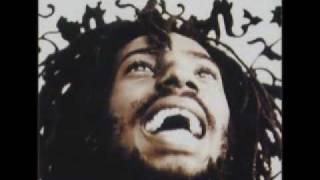
Watch the official Destiny
music video
Poverty, Power, and a Broken Social Order
One reason the song lasts is that it never treats struggle as only emotional. It names class division directly. When the lyric contrasts the rich in the city with the poor being damaged by poverty, it points to a system, not just bad luck. The song suggests that material inequality can crush bodies and futures, while vanity can destroy the soul.
That is why the warning destruction of the poor
lands so hard. It is not just description. It is an accusation. The track argues that society is arranged in ways that trap some people while rewarding others.
Interpretation: this social criticism also sharpens the title. Destiny is not fate in a passive sense. It is the right to claim personhood in a world that often denies it. When they sing about wanting to rule their future, they are pushing back against poverty, oppression, and spiritual emptiness at the same time.
The Chorus Turns Struggle Into Hope
The chorus is what makes the message feel universal. The call of Destiny
sounds almost like a summons, as if purpose is already waiting and the singer must answer it. The mention of "mama" adds warmth and memory. It can suggest family, origin, or even a voice of conscience.
My destination is homeward boundThough forces try hold I down
Those lines condense the whole song. They imply movement toward a spiritual home, even while resistance keeps appearing. "Homeward" is larger than a place on a map. It can mean Zion, peace, moral clarity, or a return to the self that hardship tried to bury.
Rastafarian Meaning at the Center
To understand the meaning of Destiny Buju Banton, it helps to hear its Rastafarian language clearly. References to Jah, Zion, and spiritual protection place the song in a faith-centered worldview. Wisdom is not framed as book knowledge alone. It is lived understanding, what the lyric calls wisdom overstanding
, a phrase that points to insight beyond surface facts.
There is also biblical imagery in the song's talk of judgment, heathens, and a rod of iron. That language gives the track moral force. It says history is not random and power is not ultimate. Human systems may dominate for a time, but they do not get the final word.
Interpretation: because of that framework, destiny here does not mean "anything they want." It means becoming aligned with righteousness. The singer asks to be free, but not free from responsibility.
How the Music Carries the Message
The production helps make the song feel sturdy and uplifting. Its roots reggae groove is patient rather than flashy. The bass and drums create a grounded pulse, while the melody rises like a testimony. That balance matters: the rhythm feels heavy enough for the song's social concerns, yet open enough for hope.
Buju Banton's vocal performance also shapes the meaning. They do not sing the hook like a polished slogan. They sound urgent, grateful, and strained all at once. That mix makes the song believable. It feels earned.
There is a communal quality in the arrangement too. Even when the lyric is personal, the sound suggests shared struggle. The repeated phrases work almost like a chant, making private prayer feel collective.
Why the Song Still Connects
Part of the song's staying power is how it bridges several ideas at once:
- personal agency
- faith in Jah
- resistance to oppression
- hope without denial
That blend keeps it from becoming preachy or simplistic. It acknowledges real hardship, then insists that hardship is not the whole story. The phrase breaking chains
makes that plain: liberation is active, ongoing work.
For U.S. listeners especially, the song can resonate beyond reggae history. Its message speaks to anyone trying to hold onto dignity inside unfair systems. They do not promise escape from pain. They promise resolve.
The Lasting Meaning Behind "Destiny"
In the end, the meaning of Destiny Buju Banton is about spiritual self-rule. The song says people should not let money, oppression, fear, or vanity define their path. Instead, they should seek protection, wisdom, and moral direction while pushing toward freedom.
That is why the song still feels powerful. It is not only about where someone is going. It is about who they must become to get there.
Disclaimer: This interpretation is based on the song's lyrics, performance, and cultural context. As with any art, listeners may hear meanings that differ from this reading.








