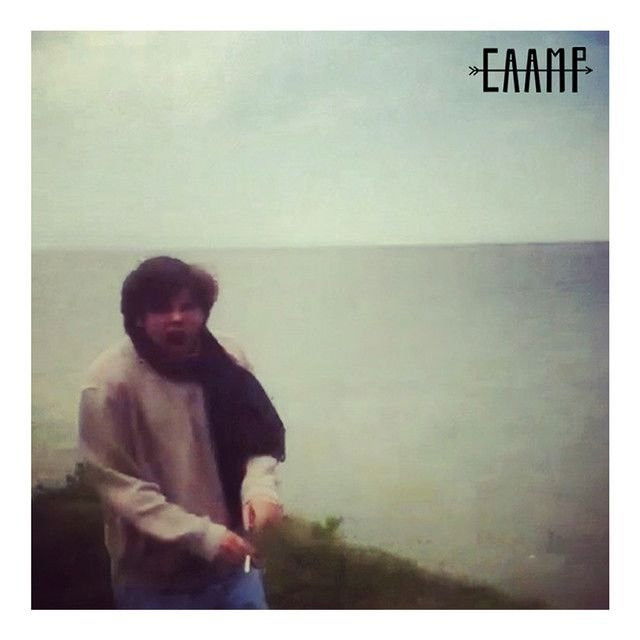
Why "Vagabond" by Caamp Feels So Restless
The meaning of Vagabond Caamp starts with a simple contrast: the body is asleep, but the mind is still moving. In just a few lines, the song creates the feeling of being physically stuck while the imagination runs free. That tension is what gives the track its pull.
"Vagabond" - Caamp
My mind was running through the woods instead
One hundred miles an hour in the fast lane
Loading lyrics...
Unable to load lyrics
We're unable to display the lyrics at this time. Please try again later.
Caamp are known for warm, rootsy songs built from folk, Americana, and indie textures, a style heard across their official releases and live sets. In “Vagabond,” they use that homespun sound to explore a very un-homelike feeling: restlessness. The song is not just about travel. It is about craving motion, clarity, and maybe even escape.
The Heart of the Song: A Mind That Won’t Sit Still
At its core, “Vagabond” is about inner wandering. The opening idea says the narrator is in bed, but the mind is deep in the woods, which makes the song feel dreamlike from the start. When they mention my body slept
and then shift to thought racing elsewhere, the point is clear: their inner life is more active than their outer one.
That is why the repeated speed image matters so much. The line a hundred miles an hour
does not need to be read literally. It sounds more like anxiety, desire, and freedom all at once. The mind is moving too fast to rest, but that same motion also feels thrilling.
Interpretation: The song suggests that wandering can be both beautiful and exhausting. They are not only escaping; they may also be searching.
Watch the official Vagabond
music video
Why the Chorus Feels Like a Night Drive Through the Soul
The phrase Vagabond dreamin'
gives the song its key idea. This is not simple drifting. It is a fantasy of living outside rules, outside schedules, and out of sight
from pressure. The whiskey-by-the-river image adds a rustic calm, but the repeated speed line keeps that calm from becoming fully settled.
That contrast is important. One part of the song wants peace by the river. Another part still wants to run. This is what makes the chorus feel emotionally true: people often imagine freedom as both stillness and motion at the same time.
Vagabond dreamin'
through the night
out of sight
In this brief cluster of phrases, the song links darkness, privacy, and escape. The night becomes a safe place for the self they cannot fully live during the day.
Friendship, Love, and the River Bend
One of the song’s gentlest moments comes with the river image and the line about seeing a friend. After all the rushing and racing, this verse introduces recognition and connection. The curve of the river suggests a turn in the emotional journey. Instead of only running away, the narrator seems to run toward someone.
That is why the song can also be heard as relational. The wandering mind is not just chasing freedom in the abstract. It may be trying to reach a person who feels grounding and familiar. Calling them a friend softens the whole track. It gives the dream a human center.
Interpretation: This person may represent emotional safety. In a song full of motion, they are the thing that makes the movement meaningful.
The Symbols That Carry the Meaning
Caamp use a few simple images, but each one does a lot of work:
- The woods suggest instinct, mystery, and freedom from routine.
- The river suggests movement with direction, not chaos.
- The morning sun hints at return, clarity, or survival after a restless night.
- The drum-like heart turns emotion into something physical and ancestral.
When the narrator says their heart beats like a drum, the song shifts from thoughts to the body. That matters because the track begins with the body asleep. By the end, body and mind seem more connected. The dream has become something felt in the chest.
How Caamp’s Sound Deepens the Message
Part of the meaning of Vagabond Caamp comes from how it sounds, not just what it says. Caamp’s music often leans on acoustic guitar, earthy rhythm, and an unpolished vocal warmth associated with modern folk and Americana. That kind of arrangement makes even a racing mind feel intimate rather than dramatic.
In “Vagabond,” the steady pulse underneath the melody mirrors the repeated speed line. The groove keeps moving forward, but it never feels slick or mechanical. Instead, it feels human, like boots on dirt or wheels on a back road. That production choice supports the song’s central tension: motion that still feels rooted.
The vocal delivery also matters. Rather than oversinging, they keep the performance conversational. That makes the yearning feel lived-in. The song does not present wandering as mythic rebellion. It sounds like a regular person admitting they cannot quiet their thoughts.
A Short Look at Songwriting and Structure
The user-provided credits name Evan Michael Westfall and Steven Taylor Meier as the writers. Structurally, the song relies on repetition, especially around the speed refrain. That repetition works like a looped thought, which fits a song about a mind running at night.
The rhyme and phrasing are simple, but that simplicity is a strength. It lets the imagery land fast. Instead of dense poetry, Caamp choose direct language that leaves space for listeners to project their own restless nights into the song.
Final Take: Restlessness With a Soft Place to Land
The best way to hear “Vagabond” is as a song about longing in motion. It captures what it feels like when sleep does not stop the mind, when nature feels more honest than daily life, and when freedom is imagined as both solitude and connection.
For many listeners, that is the lasting meaning of Vagabond Caamp: not just wanting to leave, but wanting to become more fully themselves while moving through the dark toward light.
Disclaimer: This interpretation is based on the song’s lyrics, sound, and available context. Like all art, “Vagabond” can mean different things to different listeners.







