Why 'Never There' by CAKE Still Stings
The meaning of Never There CAKE comes down to a simple but painful idea: someone says they care, yet they repeatedly fail to show up. CAKE turns that common heartbreak into something cooler, sharper, and more bitter than a typical breakup song.
"Never There" - CAKE
I need to feel your touch
I need your understanding
Loading lyrics...
Unable to load lyrics
We're unable to display the lyrics at this time. Please try again later.
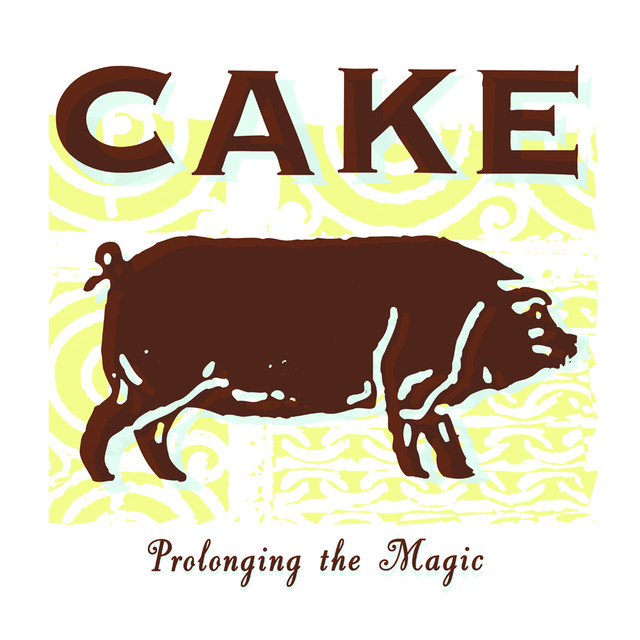
Released on Prolonging the Magic in 1998, the track became one of the band’s best-known singles and helped define their offbeat alternative sound. John McCrea wrote it, and the song fits CAKE’s style of dry vocals, tight rhythm, and emotional distance that somehow makes the hurt feel even clearer.
A breakup song with a colder edge
At its core, the song is about emotional neglect. The speaker does not complain that love never existed at all. Instead, they describe a relationship where affection is promised but not delivered when it matters.
That tension appears right away. The opening lines list basic emotional needs, then the song undercuts them with the blunt complaint never there
. In plain terms, the speaker is saying: words are easy, presence is harder.
Interpretation: This is why the song lands so hard. It is not about dramatic betrayal alone. It is about the smaller, repeated disappointment of counting on someone who keeps slipping away.

Watch the official Never There
music video
Who the speaker is talking to
The song uses a direct address to a distant partner. The speaker sounds tired, frustrated, and a little stunned that they still have to explain what they need.
References to being on the phone
and dealing with long, long distance
suggest physical separation. But the bigger problem is not geography. Even when distance is part of the story, the real wound is indifference.
The partner gives excuses, seems busy, and does not make the effort to close the gap. That makes the song feel less like a temporary scheduling problem and more like a pattern of avoidance.
How the verses build the story
The verses move in clear emotional steps:
- The speaker states their need for closeness and reassurance.
- The partner claims love and care.
- Real-life behavior fails to match those promises.
- The speaker starts to see the relationship as unstable or insincere.
That shift matters. Early on, the speaker still sounds hopeful. Later, they ask whether the other person even misses them. By then, the song is no longer just a plea. It becomes a judgment.
One key phrase is too busy
. It captures how ordinary excuses can become deeply hurtful when they repeat often enough. Another strong moment is your love was just a game
, where the speaker finally names the relationship as something manipulative or unserious.
Why the chorus hits so hard
The chorus is memorable because it is brutally direct. CAKE strips away decoration and leaves only the complaint: never there
.
Repetition does most of the emotional work. Each return of the phrase makes the absence feel more permanent. It sounds like the speaker has run through every excuse already and reached the same answer every time.
Interpretation: The hook also shows how disappointment can flatten language. When someone keeps letting them down, they stop searching for poetic explanations. They settle on the clearest truth they have.
The song’s symbols of fragile love
The imagery in the middle of the song adds depth without getting complicated. The partner is compared to a bird that flies away and to a candle flame that flickers. Both images suggest beauty, but also instability.
A bird can be admired, but it cannot be held for long. A flame gives warmth and light, yet it can vanish in a second. Together, those symbols turn the relationship into something attractive but impossible to rely on.
This is one reason the song feels smarter than a simple complaint. The speaker is not just angry. They are starting to understand the kind of love they were offered: appealing on the surface, but weak under pressure.
How CAKE’s sound sharpens the meaning
Part of the meaning of Never There CAKE comes from its performance. CAKE does not deliver the song like a huge emotional breakdown. Instead, the band keeps it clipped, controlled, and slightly detached.
That choice matters. The restrained vocal by John McCrea makes the frustration sound worn-in rather than explosive. The groove stays steady, while the arrangement adds tension through crisp guitars, rhythmic punch, and the band’s trademark use of unexpected textures.
The result is a song that feels both catchy and irritated. That contrast mirrors the relationship itself: smooth words on the surface, unresolved strain underneath.
Artist context and why it fit CAKE so well
CAKE built their reputation on songs that mixed sarcasm, deadpan delivery, and real vulnerability. On Prolonging the Magic, they leaned further into polished hooks without losing that edge.
“Never There” works so well in their catalog because it lets them do both at once. It is accessible enough to be a radio hit, but its emotional viewpoint is skeptical, guarded, and slightly cynical. That balance is a big part of why listeners still return to it.
One more way to read the song
There is also a broader reading. Interpretation: The absent lover may represent more than one person. They can stand for any relationship built on mixed signals, low effort, and emotional inconsistency.
That makes the song feel timeless. Most listeners have known some version of a person who says the right thing, then fails the basic test of being present.
The lasting takeaway
In the end, the meaning of Never There CAKE is about the gap between love as speech and love as action. The song argues that affection without presence stops feeling like affection at all.
CAKE gives that message a cool, memorable shape. They do not overstate the pain. They let the hook, the distance, and the unstable imagery tell the story.
Disclaimer: This interpretation is based on the song’s lyrics, performance, and widely known context. Like most songs, it can support more than one valid reading.








